Should Fresno County’s superintendent of schools make more than $300,000? Some say ‘yes’
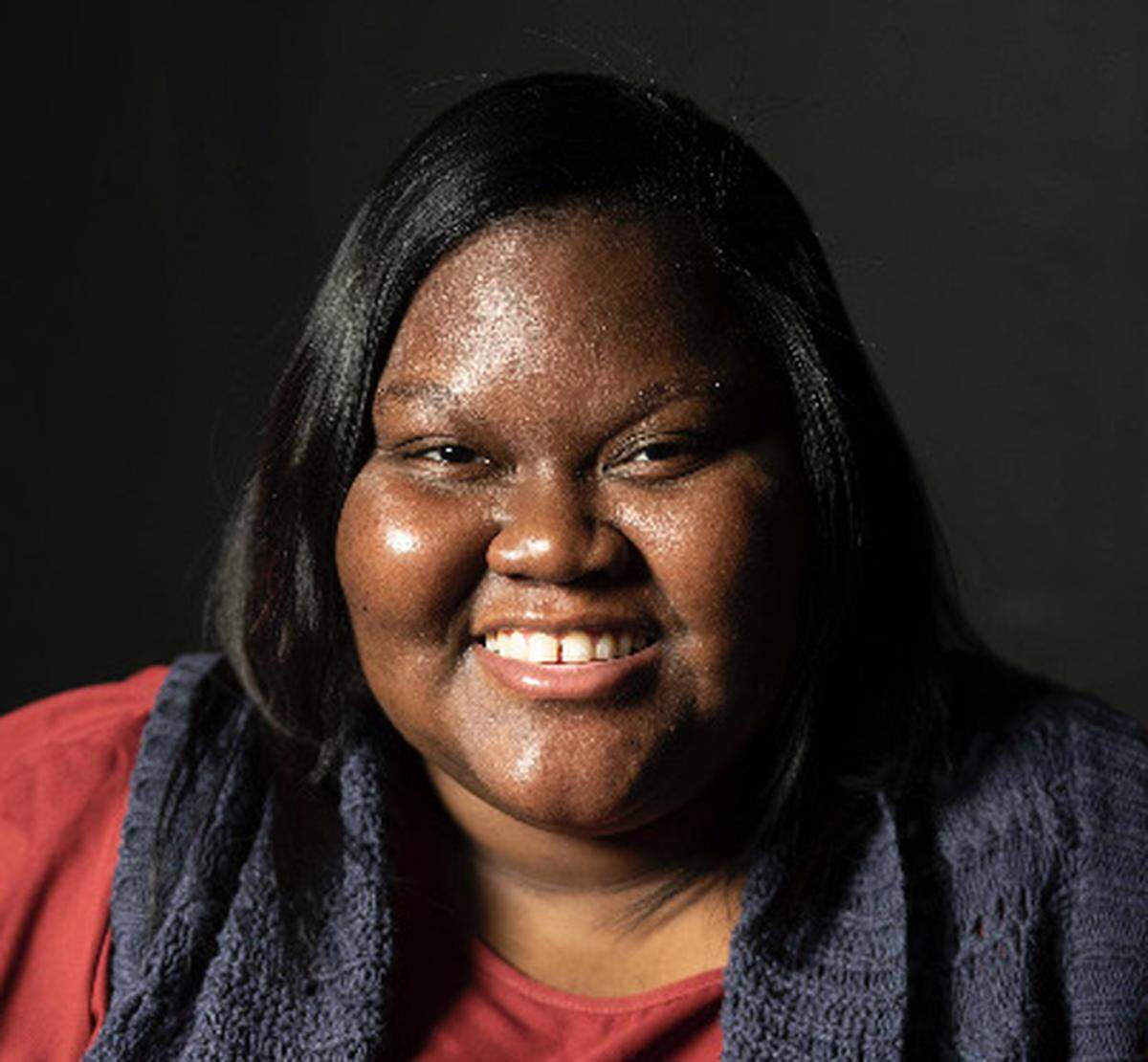
.JPG "Fresno County Superintendent Jim Yovino (center) was this year’s distinguished alumnus and commencement speaker at Fresno City College commencement ceremony June 3 at Chukchansi Park.")
The Fresno County Superintendent of Schools position has one of the highest salaries among publicly elected officials and leaders in the county.
This year, Superintendent Jim Yovino will make $327,291 before health insurance, a vehicle allowance, stipends, and other benefits. With Yovino retiring in a matter of weeks, the incoming superintendent, Michele Cantwell-Copher, could make even more as she negotiates her salary.
The county-level office only has about 100 students.
By comparison, the Fresno Unified superintendent oversees almost 70,000 students and makes approximately $381,689. At Clovis Unified, the superintendent earns about $286,760 to manage about 42,000 students.
But Yovino said that’s the wrong way to analyze the county superintendent’s pay.
Simply put, “We’re a service provider,” he said.
Like the 57 other county superintendents across California, the Fresno County superintendent’s office operates special education, migrant youth and juvenile programs. With 1,546 employees and a $359 million-plus budget, Yovino said their work goes far beyond the roughly 100 students they supervise.
“We take a different approach.”
The Fresno County Office of Education offers 70 programs and initiatives to serve the nearly 205,500 Fresno County students across 32 school districts. At least 65 of those programs are not required but “provide services to support our schools.”
“This office is really a support and service provider to schools, and we’re going to continue to do that work,” he said.
Retiring in January, Yovino has held the title since his 2013 appointment. He was elected a year later and re-elected in 2018.
During a recent interview with The Bee’s Education Lab, Yovino discussed how the number of employees and the size of a budget demonstrates just how many services a county superintendent’s office provides, why FCOE does more than what the state requires, and how all of that factors into pay.
Here’s what the Fresno County Office of Education is required to do
California’s state constitution requires all county superintendents to operate a school for detained youth or juveniles. Fresno County’s school is at the Juvenile Justice Center, where about 100 youth are currently enrolled. Those are the only students the FCOE gets funding for.
County superintendents are also charged with fiscal oversight of local-level districts, ensuring local school districts are being fiscally responsible and following state and federal laws.
As an “arm” of the state, Yovino said, the county office also approves school districts’ Local Control Accountability Plans before being submitted for state approval. The LCAP is a three-year plan where districts must detail their goals, actions and resources to address student achievement.
Yovino said his office does that a bit differently because there are staff working with school districts as they prepare the plans throughout the year rather than waiting for 32 districts to submit the plans at the end of the year.
“If I did (only) those things, and that’s it,” Yovino estimated that the FCOE office would have fewer than 100 employees with a close to $40 million budget.
Fresno County Superintendent’s Office helps dozens of small districts
Most offices focus on serving their county’s most vulnerable students, the California County Superintendents Educational Services Association described in a video about the roles of a county superintendent.
Some county offices don’t offer special education programs and leave it up to their districts.
Of the FCOE’s 150 teachers, while some teach at court schools or the Career Technical Education Charter High School, many teachers are spread across the county in special education classes with medically fragile students, students in hospital beds and others with severe special needs.
“These are their (school districts’) kids, but we’re doing it to support them,” Yovino said. “We serve them.”
The county has school sites in Kerman, Reedly and downtown Fresno as well as 60 integrated classes with general education and special education students across the county.
They bus students across the 60-mile stretch of Fresno County to get them to school sites, service hubs and wellness centers across the county, so families don’t have to travel to those services.
Yovino tells every employee, “You don’t work for me. You work for those school districts.”
And that can be students from the county’s largest district or the smallest.
Fresno County has the state’s third largest school district - Fresno Unified - but also serves Big Creek, which has only about 50 students.
“They’re still required to do the same things as Fresno Unified, but they can’t hire a full-time school psychologist or a full-time nurse,” Yovino said.
So FCOE has 50 school psychologists and a staff of nurses who districts can hire on a need-based contract.
There’s Burrel Union Elementary School District with 133 students, 91.7% of whom are classified as socioeconomically disadvantaged and 47.4% of whom are English learners.
“They can’t afford all the services,” Yovino said. “That’s when we come in. Fresno Unified and Clovis Unified are big, and, of course, they can do their own. But the school districts that only have a couple thousand students – they can’t do it.
“So we do.”
There are dozens of small school districts in Fresno County who don’t have the staff and resources to offer programs and initiatives that FCOE provides, such as:
Education Matters, a weekly segment highlighting success stories across the Central Valley
Lighthouse for Children Child Development Center, a demonstration model infant, toddler and preschool for children starting at six-weeks-old to five
Kid’s Cafe, a classroom for adult transition special needs students between 18 and 22 who operate the cafe to be prepared to enter the workforce
Afterschool programs at 175 of 300 schools
Cradle to Career, a partnership with more than 70 community partners
Early Math Initiative, a $45 million grant to expand the initiative
A $120 million, five-year partnership between the FCOE and Fresno County to offer mental and behavioral health support by putting a mental health clinician in every school in Fresno County
Health Services Mobile Health Unit, a partnership with Valley Children’s Hospital to expand services to students in underserved rural communities
See 2 Succeed, which examines students’ vision, then makes prescription glasses for them
Cyber High, curriculum for incarcerated adults who have no high school diploma
The superintendent’s office created a Fentanyl Education campaign, an extensive media campaign featuring thirty-second public service announcements .
“Why would we do that?” Yovino said as he discussed it. “I don’t want another child to die.”
If they didn’t do the School Safety Summit, a symposium on student safety, “where would our districts get the information?” he asked himself.
“No one said we needed to make an African American student pipeline (Teachers of Color Alliance for Educational Empowerment),” he said. “No one said we needed to do these things. But I believe we should do those things. I’m here to support families and support my districts.
“It’s my obligation. I didn’t get elected just to serve some. My job is all. All means all. All the time.”
Employees even go to migrant families working in the field and educate them on the services they provide , including Migrant Saturday Programs in which students earn at least 30 hours of instruction, a Migrant Mentoring Program for seventh through twelfth graders, and Migrant Collaborative Initiatives throughout the San Joaquin Valley.
Thinking back to 2013 when he started, the budget was $199 million – a number that has nearly doubled to $359 million. The budget grew as programs either started or expanded.
“It’s not going to stop,” Yovino said. “This office will never go backward and say, ‘We’re just going to do these three statutory requirements.’”
The programs will continue under Cantwell-Copher, who takes office on Jan. 3.
How does the salary compare to other county superintendents?
California classifies its county superintendents in tiers based on total student population, with Fresno County in the second tier, also known as Class II, along with more affluent counties, like Alameda, Contra Costa and Orange.
With a little over 173,000 students countywide, the Contra Costa County Office of Education has 378 employees and a $88 million-plus budget this year, according to office officials. Its superintendent makes a $245,728 base salary and $267,460 in total compensation. Contra Costa’s median income is $103,997 and just 7.2% of people live in poverty, the U.S. Census Bureau reported.
The Alameda County Office of Education employs 218 employees, and its superintendent’s total compensation is $317,000 annually, officials said. It serves around 225,000 students and is proposing more than $52 million in this year’s budget. Alameda County reported a median income of $104,888 – double that of Fresno County – with 8.6% of the population living in poverty.
Among Class II counties, Fresno County is one of the poorest in terms of poverty rates and median incomes. The most recent research shows Fresno County’s median income was $57,109, with 17.1% of the population living in poverty.
Neighboring Kern County, with its $54,851 median incoming and 18.3% poverty rate, has more in common with Fresno County than other Class II counties.
The Kern County superintendent’s current salary is $330,727, plus $17,328.80 for health and wellness benefits as of early October. The board increased that compensation because it recognized the superintendent “is responsible for a larger number of employees and a larger budget” than other Class II counties. Kern County employs more than 1,600 staff and has a more than $450 million budget.
Yovino didn’t want to be the highest or lowest paid, he said about his 2014 and 2018 negotiations.
His three contracts from his 2013 appointment, 2014 election and 2018 re-election are identical to what he gets as superintendent. The contracts list a base salary, salary schedules for each year, health benefits, a $1,000 educational stipend for having a master’s degree, a nearly $10,000 vehicle and travel allowance ($833 a month), vacation time, professional dues and a phone stipend.
When Yovino was appointed to finish the former superintendent’s term in 2013, the Fresno County Board of Education set his base salary at $190,000.
Once elected in 2014, the base salary became $220,000 and edged up to $259,308 on the step schedule by 2018. When reelected, the base salary became $282,727. That number was behind the county superintendent salary of five other counties classified by size with Fresno – Orange, Santa Clara, Sacramento, San Diego, Riverside.
Because of the salary schedule, it’s up to $327,291 currently. The $340,000 previously reported and compiled by records provided to Transparent California includes the car allowance and professional dues.
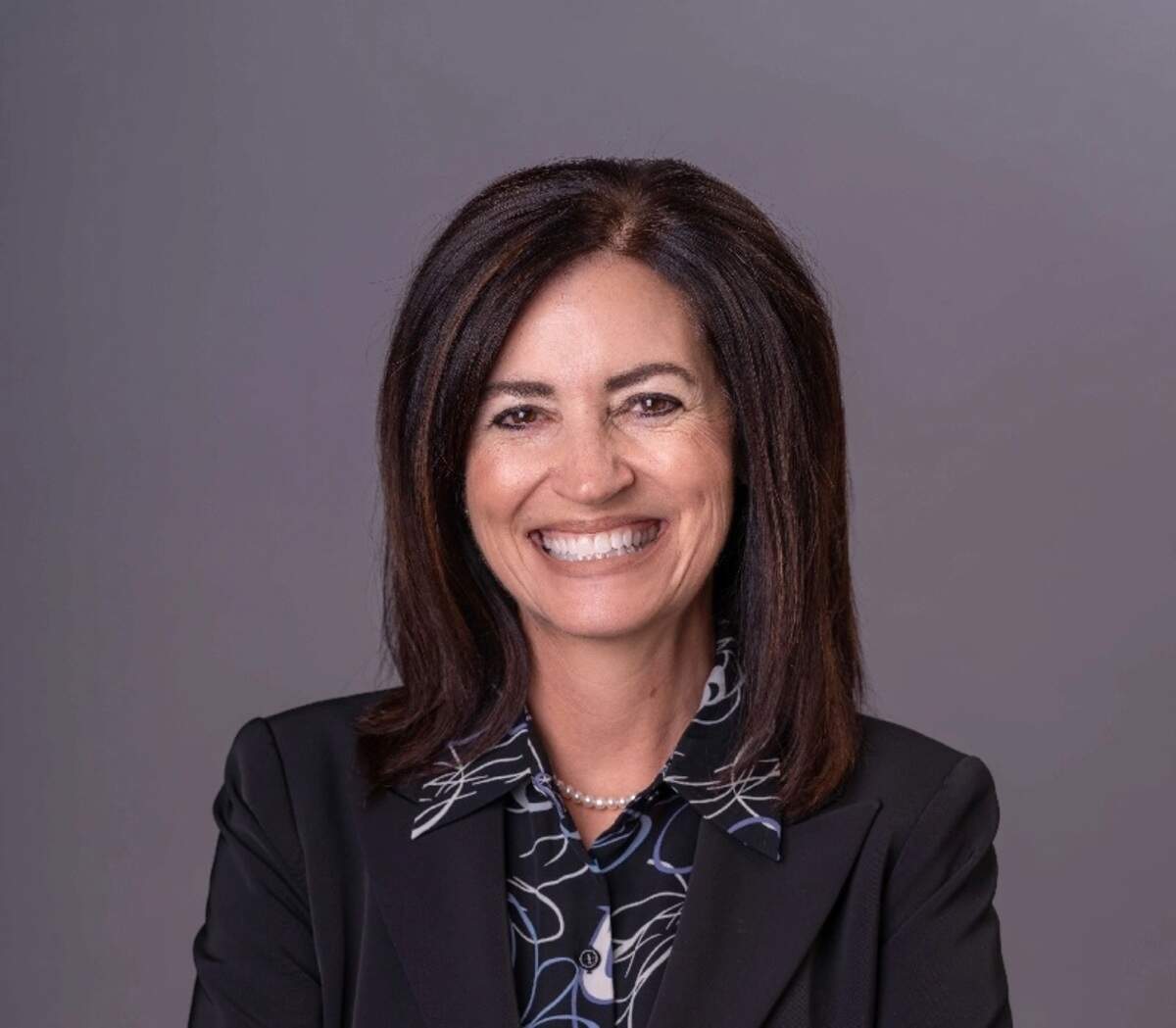
Cantwell-Copher, the current assistant superintendent in charge of educational leadership and development for the superintendent’s office under Yovino, is negotiating her salary. It’s still unclear what will be the basis for her requesting a raise.
“As a publicly elected official, that is an open-session process,” she said earlier this month. “We’ll be very transparent in that process, but not until then.”
The FCOE board meets Nov. 17, when the board is expected to discuss and finalize her salary.
The discussion will be public, Yovino said, and not under a closed-session agenda item.
Part of that conversation, Yovino said, is evaluating the superintendent salary averages, one’s experience, size of the organization and the responsibility of having more services.
“All of those things matter.”
The Education Lab is a local journalism initiative that highlights education issues critical to the advancement of the San Joaquin Valley. It is funded by donors. Learn about The Bee’s Education Lab at its website.
This story was originally published October 31, 2022 at 5:30 AM.