Clovis teen is semifinalist in global video contest that aims to inspire a love for science
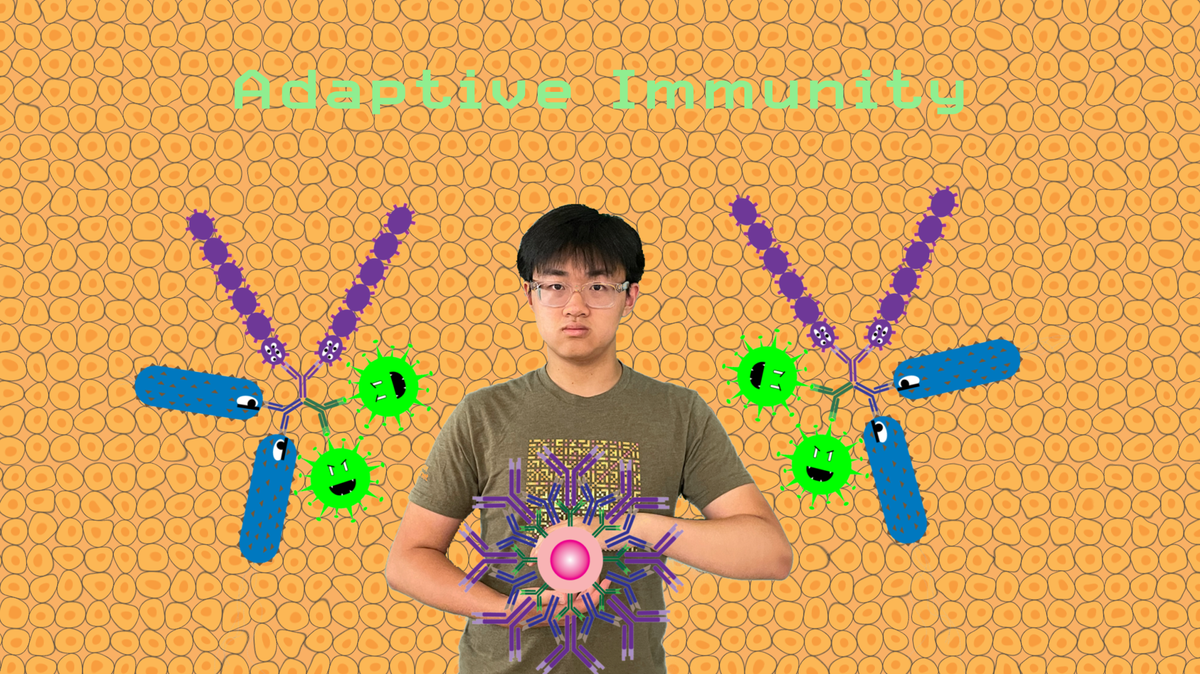
Out of more than 2,400 applicants internationally, a local teenager was named one of 30 semifinalists in a science video competition with $400,000 in scholarships and prizes.
Issac Wang, 17, said the accolade was “surreal” because he didn’t expect his video to perform so well in the competition.
The Breakthrough Junior Challenge, started in 2015, invites 13- to 18-year-old students across more than 200 countries to create engaging videos that explain complex scientific concepts — in 90 seconds or less.
Wang, a Clovis North High senior, has participated in the competition ever since he learned about it during his freshman year. His videos have ranked among the top 10% but never placed until this year.
Wang called his freshman year submission “unrefined,” as he critiqued his explanation techniques, style, execution, special effects, visual presentation and storytelling from then to now.
He said his videos have improved over the past couple of years due to “repetition.”
“I was experimenting at the beginning and didn’t really know what I was good at,” he said. “I’ve found my specialty: animation and making visual analogies with my projects.”
“Finding the areas that I could specialize in and perfect caused me to grow the most.”
Teen’s video explains how the immune system fights germs
In this year’s video, which started with a comical intro, Wang drops his cellphone in the toilet when he learns that he’s tasked with explaining his topic — how the immune system fights germs — in just a minute and a half.
After he retrieves the phone, now covered in germs, the video starts an animated description of how white blood cells adapt based on the germs they come in contact with.
Challengers in the competition commented on how great the colorful, imaginative animations were; how Wang’s topic was simple, yet informative; and how entertaining, engaging and fun the video was to watch.
“Wow! I love your enthusiasm!” one viewer on YouTube said. “The way you explained is so creative!”
Wang was originally going to do a project similar to his junior year video on cancer and its impact on the immune system. But in his research about the immune system, he learned interesting facts that he wanted to share with others, he said.
To break down and explain how antibodies in the immune system worked, he imagined himself explaining the concept to elementary students.
“If I could break it down so it was understandable for them, I would have succeeded with my video,” Wang said about his thought process.
And he did, which was evident by comments the video garnered on YouTube.
His family and friends have been excited about his semifinalist status.
He hung his head a little as he said he wasn’t among 15 people chosen as a finalist, but his mom, Siao-wen Wang, said she is very proud of her son.
“He made a lot of effort in this competition,” she said. “We are so happy.”
Placing in the top 30 was already much more than Isaac expected for himself, he said.
“I’m so thankful that I made it all the way to this stage,” he said.
Competition aims to build support for STEM fields
Wang encourages students interested in science, technology, engineering and mathematics hobbies and careers to start early.
“The two biggest obstacles for STEM right now are access and interest,” he said.
The Breakthrough Junior Challenge can, has been and will continue to be a solution for those problems, he said.
The challenge intends to develop and demonstrate young people’s knowledge of science and scientific principles and generate excitement and support for STEM fields, something it’s done for more than 80,000 applicants over the last eight years, according to the organization.
Had Wang won the competition, he would’ve won a $250,000 college scholarship, a $50,000 prize for the science teacher who inspired him and a $100,000 state-of-the-art science lab for Clovis North.
The lab alone would’ve increased students’ interest in science, he said.
“More students would be readily able to engage in science if we had that modern lab,” he said.
.jpg "Headshot (Breakthrough Junior Challenge).jpg")
Still, the Breakthrough Junior Challenge student videos and other online resources are places for youth to learn about and engage with science, Wang said.
YouTube videos were actually Wang’s initial inspiration for his pursuit of science today, he said. Now, he plays video games and science games and participates in competitions such as the Biology and Chemistry Olympiads and the school science fair.
“I truly enjoy these extracurriculars,” he said. “They give me the motivation to learn more and improve upon my knowledge.”
He wants to pursue biochemistry at Stanford University and become an oncologist, passions he has because of his love of science.
“We didn’t make any goals for him; he decided for himself,” his mom said with a smile. “Whatever he is doing, we support him.”
This story was originally published September 27, 2022 at 7:30 AM.