Why Gavin Newsom thinks this high school in Fresno is a role model for student support
For more than three decades, California’s education law covering student counseling “made no reference” to mental health support, but with the stroke of a pen — as well as a $4.7 billion price tag — Gov. Gavin Newsom said this week the state’s schools would “overhaul” the system.
The governor said California districts should use Fresno’s McLane High School as a role model for building better social-emotional support programs for students.
“We came here because we wanted to identify success,” Newsom said. “We looked all across the state of California. We’re into excellence. We want to share best practices. We want to highlight what’s working. Success leaves clues, and we’ve been learning from you here.”
While career readiness is a part of academic counseling, the amended law, AB 2508, signed Thursday in Fresno encourages school districts to have a multi-tiered support system with counseling that develops students socially and emotionally as well as academically.
Newsom said California neglected to adequately invest in mental health in schools for decades.
Across the state, over 284,000 youth are coping with major depression, 66% of kids with depression aren’t’ getting treatment and suicide rates increased by 20% for kids over 10 years old in 2019 and 2020, Newsom’s office reported. Nationally, suicide was the second leading cause of death in kids 10 to 14 in 2020, the Centers for Disease Control and Prevention found.
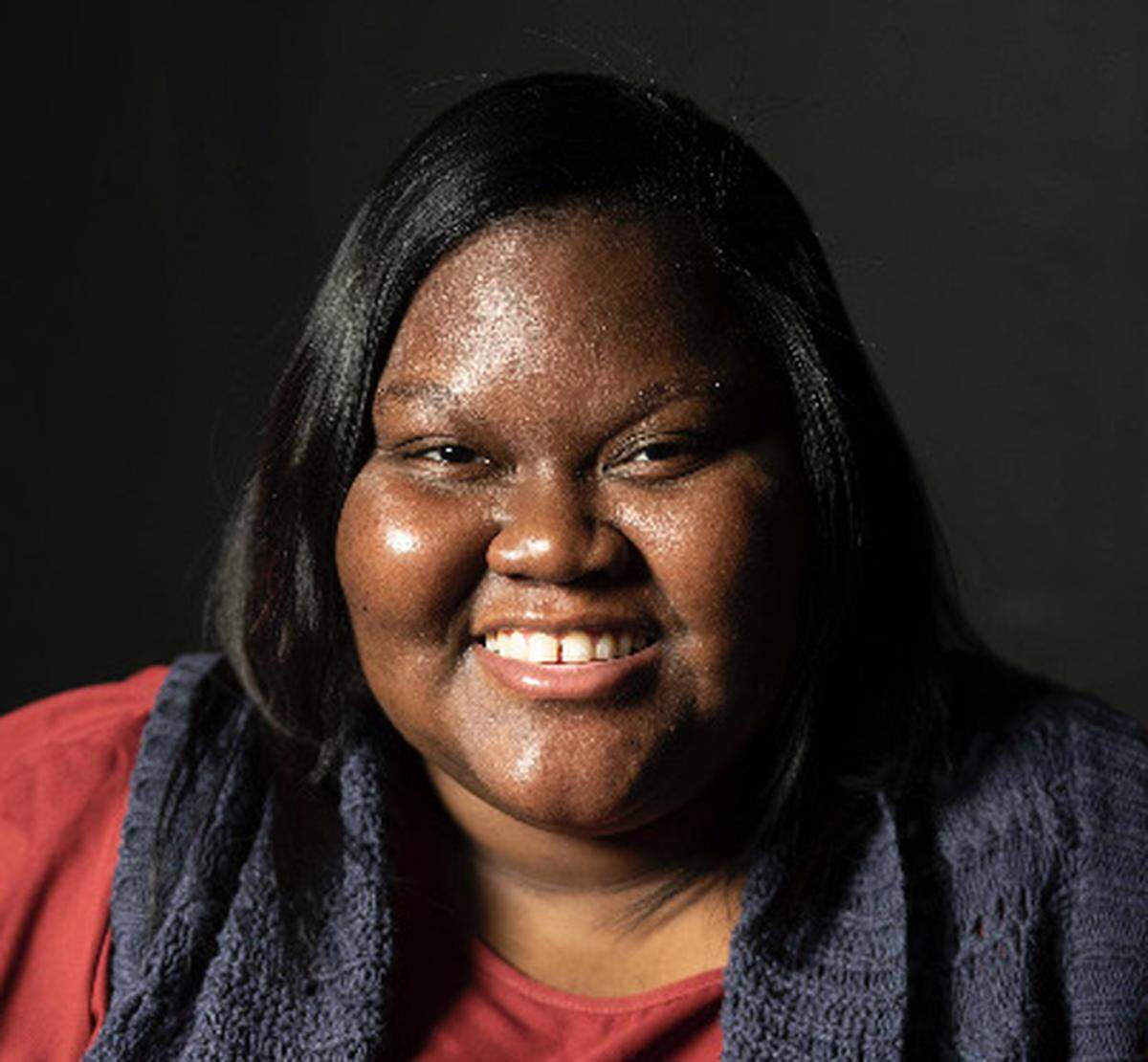
A lack of resources failed McLane High School senior Aliyah Barajas when she was in elementary school.
At 10 years old, she experienced depression and started to harm herself.
“At the time, I didn’t understand the weight of these actions and feelings because, quite honestly, a lot of people around me were having the same feelings and making the same actions,” she said, trying to fight back her tears at Thursday’s news conference about the plan and legislation.
She said her friends told adults. The elementary school administration talked to her. But no action was taken. Her parents weren’t notified. Barajas wasn’t referred to a counselor.
Now that she’s gotten the help she needs, she said, she’s genuinely happy.
“However, I feel it’s necessary to say this story in front of this audience because I know I’m not the first, the last or the only 10-year-old girl,” Barajas said. “The positive change that we’re going to see from these investments and focus into students’ mental health will make a difference.”
The $4.7 billion investment provides universal screening, support and services for youth until they’re 25.
That includes:
At least doubling the number of school counselors, starting with 10,000
Training 40,000 mental health professionals, which is backed by $1.4 billion that’s not a part of the $4.7 billion
Providing $20,000 scholarships if mental health professionals work in schools for two years
Training teachers on trauma-informed care so they can spot the warning signs
Creating a virtual platform for mental health assessments and intervention
The updated legislation will help schools provide services like individual counseling, group counseling, risk assessment, crisis response for mental and behavioral health as well as positive school climate strategies, teacher and parent consultations, and referrals to public and private community services.
“We all know an Aliyah or someone like an Aliyah,” Newsom said. “Sometimes that person is the person we see every single morning when we’re brushing our teeth.”
The stigmatization Barajas experienced – annoyed that her friends “snitched” and feelings that she was in trouble – is something that is addressed in the policy.
The policy says counselors can use research-based strategies to reduce mental health stigma.
Why a Fresno school is the model for state’s push
“Safe Space for All” signs were hung around the McLane High School wellness hub for Thursday’s news conference.
The hub is where the Coordination of Services Team uses a multi-tiered support system to serve students mental health, academic, and postsecondary education needs, just like the updated law and state plan urges districts to do.
McLane’s Coordination Of Services Team has a full-time staff of three social workers, a restorative practice counselor, a child welfare and attendance specialist and two psychologists as well as the seven academic counselors who often provide social-emotional support, according to Superintendent Bob Nelson.
“Having adults on campus to serve our students’ mental health needs is invaluable to our educational system,” said McLane Vice Principal Rebecca Aleman, who worked as a clinical psychologist. “Because when we are able to provide the support that students need to cope with their anxiety and their depression … then we are able to connect those students with a caring adult.”
The social workers on McLane’s wellness team triage trauma situations for students not only at the school but for students across the district and region, Principal Brian Wulf said.
Even with the work the Fresno Unified School District and McLane High have done, it’s not enough, Aleman said.
When student needs are unmet, they are more likely to act out, to miss school and/or to self-medicate, she said.
Sometimes a safe adult for students to turn to is the only reason they come to school, they’ve told her.
Newsom said he sees what’s happening to students.
“I see too many people desperate, and too many people struggling and suffering,” Newsom said. “My grandfather committed suicide. Many family members self-medicated every night. I am not alone. It’s personal, but it’s also a responsibility.
“I see what’s happening to students. But it’s what I don’t see that makes me more concerned. It’s what’s hidden. And we find out only after it’s too late. That can’t happen on our watch.”
This story was originally published August 22, 2022 at 5:00 AM.