Central Unified trustee wants to hear from students ahead of vote on Fresno police
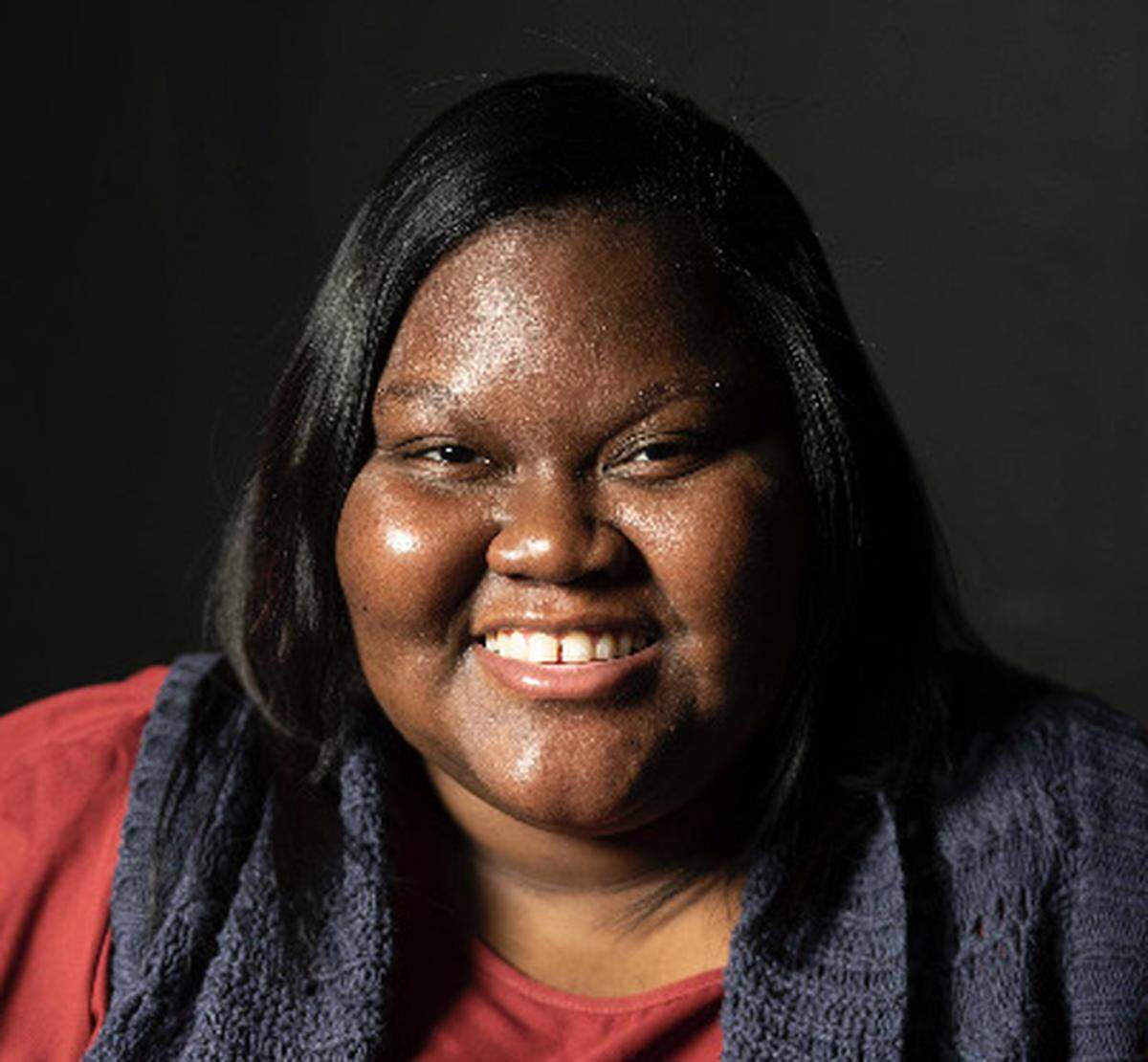
Over the last eight years, School Resource Officer Sheila Chandler has walked the hallways of Central Unified schools, eaten lunch or taken breaks with students, and helps students participate in campus activities.
While supporters of programs that place armed police officers in city schools say it can be challenging to track success in terms of data, they say officers like Chandler measure their success by building relationships and documenting positive interactions with students.
Mike Reid, the Fresno Police Department’s deputy chief of the department’s support division, told the Central Unified School Board that officers try to build routine relationships with students, so officers aren’t only seen when something bad happens. Sometimes it’s as simple as just checking in with students.
“How you’re doing today? Is there something I can do for you?” Reid said as an example of the simple steps officers can take to establish a rapport with students.
The discussion last week set up a June 28 vote for the Central Unified school board to consider adding more police officers to the district’s middle schools, similar to what Fresno Unified did on June 15.
But as Central schools prepare to add more police, some district leaders have said they want to hear more about the issue directly from students.
“It’s important that we look around in this room: we have all the adults,” Board Trustee Yesenia Carrillo said on June 14. “I’ve heard loud and clear from our district teachers and staff that it makes you feel safer to have police officers.
“I’ve heard very little from our students.”
Can Fresno police measure ‘positive interactions?’
Carrillo, who asked several questions about officer training and student voices, said she was critical not because she doesn’t want officers on campus but because she wants those officers to have the appropriate training to work and build relationships with students.
Fresno Police report each time a school resource officers take law enforcement action on campuses. But what they haven’t successfully done is measure positive interactions with students until this past semester, Reid said.
Sgt. Anthony Alvarado started an informal system at Fresno Unified and has counted over 700 positive contacts with students, which can be multiple interactions with some of the same students.
Those positive interactions often go unnoticed, like how a Fresno High SRO raised money for a student’s prom, then adopted that student and helped her pursue her college education, all of which happened after her mom died.
“That’s the passion of school resource officers,” Reid said. “It happens every single day with a lot of people.”
Student input still absent from discussion
Carrillo said students she’s spoken with said they don’t feel safer with officers in schools.
That student input is what she’s asked for since last year’s SRO discussion. She requested a district-wide survey, in which the board agreed to survey students, families, and teachers to better understand how families and staff feel about police.
But a year later, that survey hasn’t happened. Superintendent Ketti Davis has talked with about a dozen students across Central Unified schools.
“I asked the question, ‘What do you think about school safety and the role of SROs on campus?’” Davis said.
Davis said those students told her they felt police on campus were unnecessary but also said they like the overall school security the officers provide.
Not a perfect program but it’s about safety, engagement, deterrence
Critics of campus police programs have noted the presence of officers didn’t deter dozens of incidents of violence at local schools this last year. Still, Reid said officers have kept students safe through engagement and deterrence.
“It’s meant to build trust between law enforcement and the community,” he said, noting how that trust has declined over the last few years.
Law enforcement hasn’t adequately explained the benefits of the program, Reid said.
“We’re not reinventing what resource officers do,” he said. “We’re just advertising it and telling people we do a great job, and it’s not just enforcing laws.”
And time and time again, officers have seen that communities want them in schools.
Three educators spoke during last week’s Central Unified board meeting in support of school resource officers on its three middle school campuses.
In early 2021, most students and parents said they wanted to keep police officers on Fresno Unified campuses, an FUSD and Fresno State survey said at the time.
Although the specific number wasn’t detailed, the report said a vast majority of students would feel endangered without police in schools.
It’s about being everywhere, said Tom Rhwe, captain of the Police Community Relations Bureau.
To do that, they engage with students rather than wait until students make mistakes. Because it’s the same officer each day, that officer builds rapport or, at least, familiarity with students.
At Central Unified, the district’s Human Resource Director Eliseo Cuellar said, SROs have worked to promote a safe, secure learning environment by:
Building trust and rapport with students
Connecting at-risk students to services they need
Being mentors and providing formal avenues for mentoring services
Deescalating and doing conflict resolution
SROs such as Chandler, Richard Lujan, and Todd Steinhardt mentor, encourage, and help students.
“I feel like I have an impact on our future because these kids are our future,” Chandler said.
Officers learn from Uvalde, other incidents
While the most recent massacre at an elementary school in Uvalde, Texas, has legislators, communities, and school districts evaluating campus safety protocols, it’s not the reason Central Unified is requesting officers on its middle school campuses.
“We have seen benefits to having School Resource Officers in our high schools and believe our middle schools could benefit as well,” Central Unified spokesperson Gilbert Magallon said.
Both Central and Fresno Unified school districts saw their communities request more funding for safety in the Local Control Accountability Plan surveys. For Central Unified, that included adding the officers to middle schools.
But authorities acknowledged officers and school staff needed a better understanding of the roles and responsibilities of an SRO.
“We were over-enforcing,” Reid admitted.
Teacher Laura Bolton asked the board to create a “clear” policy detailing the role of campus police officers so that stakeholders understand what they can and cannot do.
Changes in law enforcement training — specifically reconciliation, de-escalation, conflict resolution, gang intervention, and prevention for SROs — are changing how campus police officers handle incidents.
Reid said that officers are being trained on restorative practices to communicate more effectively with students so they can get through the obstacles they are facing.
On top of the hours of cultural awareness training, the SROs will receive 32 hours of cultural sensitivity training. That training is “above and beyond” the awareness training already in place, Cuellar said.
What Central Unified will decide Tuesday
Last summer, the board approved its current contract that put three officers at the Central Unified high schools.
But the Fresno Police Department, in August 2021, couldn’t provide an additional officer for the newly opened Justin Garza High School due to an all-hands-on-deck approach to combating violent crime. Instead, they transferred an officer from the middle school to the new high school.
Fresno Police provide SROs for Fresno Unified and Central Unified and are in talks to possibly expand into Sanger schools.
To staff officers to schools across districts and officers for each FPD department, especially patrol, they must look at the department’s current vacancies, hiring projections, and recruiting efforts to ensure they can add two to Central Unified’s two middle school campuses and 15 SROs and one supervising officer to FUSD by August.
To be an SRO, officers aren’t just assigned. The officer must express interest and be interviewed, which includes school leaders in the process.
“We are trying to accommodate everyone as best as we can,” Reid said.
At its upcoming June 28 meeting, the board will vote on two additional SROs with one being at Glacier Point Middle School and the other officer shared between El Capitan Middle School and Rio Vista Middle School, which would total a little more than $330,000 from the district’s general funds, according to Cuellar.
Adding the third requested officer to Central Unified would require board action.
As the agency that provides the school resources officers, Fresno Police have said they are doing everything they can to include student voices, such as the Chief’s Youth Advisory meetings that allow students from each school site to ask officers questions.
“It’s the kids’ opportunity to talk directly with the department and the chief – the policymaker for our agency,” Rhwe said. “They get to express their concern. They get to ask questions.”
The Education Lab is a local journalism initiative that highlights education issues critical to the advancement of the San Joaquin Valley. It is funded by donors. Learn about The Bee’s Education Lab at its website.
This story was originally published June 23, 2022 at 5:00 AM.