
Former Clovis High football player sentenced to prison for real estate Ponzi scheme
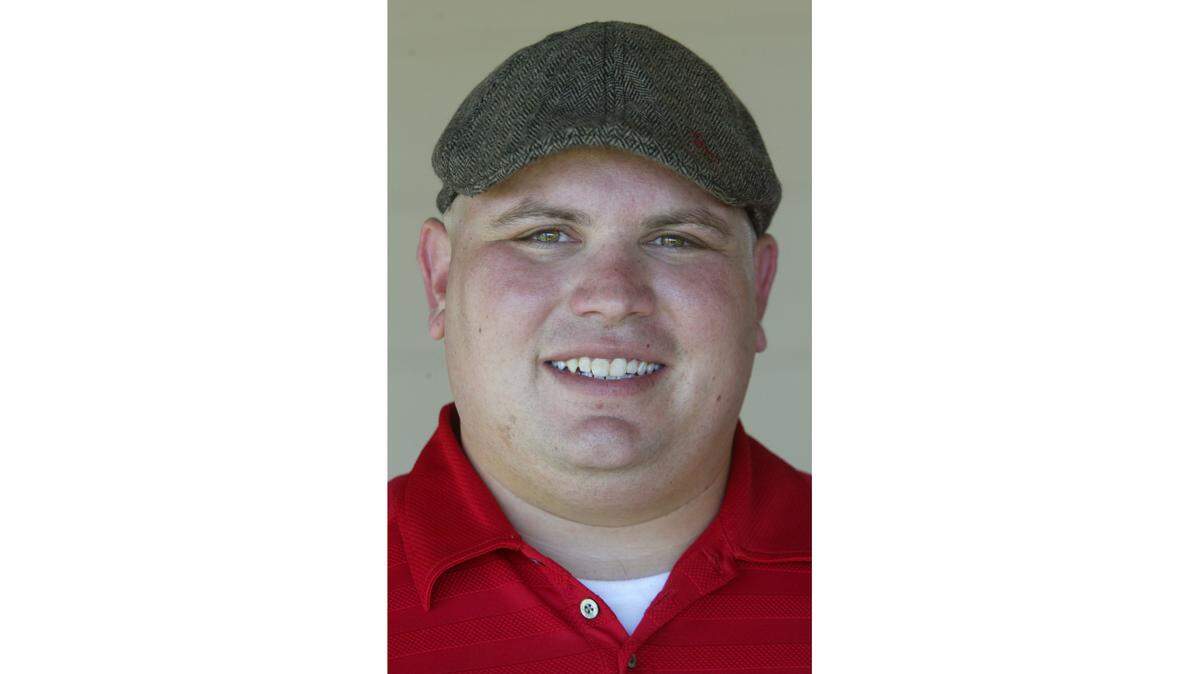
A former Clovis High football player who admitted to operating a real estate Ponzi scheme has been sentenced to nearly 13 years in federal prison and ordered to pay $19.6 million in restitution to his victims.
In March, Seth Adam DePiano, 36, pleaded guilty in U.S. District Court in Fresno to mail fraud, wire fraud and money laundering in a scheme to defraud 28 investors of about $24 million. In a plea deal with the U.S. Attorney's Office, he agreed to forfeit more than $700,000 seized from his bank accounts and a collection of nearly 1,000 baseball cards valued at more than $31,000. DePiano also waived his right to appeal his sentence.
DePiano faced a maximum of 20 years in federal prison for the mail and wire fraud charges and 10 years maximum for money laundering. Judge Dale Drozd, however, on Tuesday sentenced DePiano to 151 months in prison and ordered him to pay $19,659,357 in restitution.
Before DiPiano was sentenced, his mother, Susan DePiano, submitted a letter on her son's behalf, saying: "I am the only person who wants leniency."
In her letter, Susan DePiano said she was heartbroken. "I believe Seth needs help, but locking him up for a long time could only make it worse. He won't be able to get the help that he needs being locked up for a long time."
Susan DePiano also said her son grew up in a good home, played sports and had many friends. "I am not sure what happened on his way to adulthood," she said.
DePiano was arrested in Las Vegas in July 2017.
According to court documents, DePiano operated a Ponzi scheme from February 2010 through June 2017 that lured real estate investors into giving him and the businesses he controlled – The Rental Group, U.S. Funding and Home Services LLC, and Draymond Homes – more than $20 million. He was suspected of fraudulently promising investors he would use their money to purchase residential properties and either manage the properties for rental income or arrange for renovation and resale.
Prosecutors at the time said some of the properties DePiano marketed to investors did not even exist. DePiano paid investors purported rental income that, in fact, was money other investors had given him for investment purposes.
This story was originally published May 30, 2018 at 12:53 PM with the headline "Former Clovis High football player sentenced to prison for real estate Ponzi scheme."