
Boaters are crucial to keeping golden mussels from Valley watershed lakes this summer
Keeping invasive golden mussels out of key San Joaquin Valley reservoirs will mostly be up to conscientious boaters this summer as there is no comprehensive approach to watercraft inspection and decontamination throughout the state.
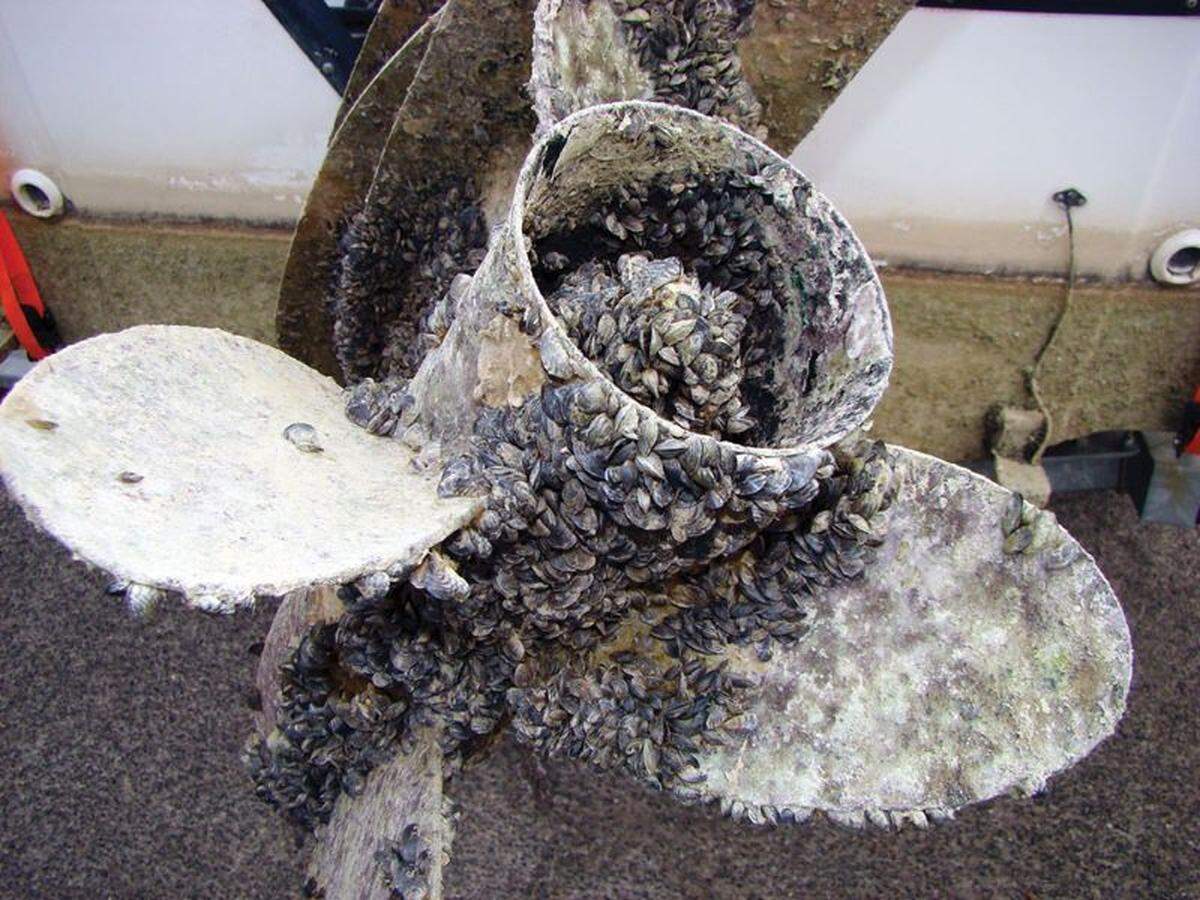
State and local agencies are encouraging boaters to “clean, drain and dry” boats before moving from one body of water to another. But most lakes in the state, including five key reservoirs on the valley’s east side, don’t have mandatory inspections and cleaning stations.
Given the rapid and concerning spread of the mussels, Rep. Vince Fong (R-Bakersfield) has secured $5 million in the 2027 Energy and Water Development bill to support boat inspections at Millerton Lake, Pine Flat Reservoir, Lake Kaweah, Success Lake and Lake Isabella. That bill is working its way through the House of Representatives.
But, right now, there aren’t any inspection programs or facilities at those lakes, which are governed in different ways by different entities.
“No, there is no cohesive protocol from lake to lake,” acknowledged Katie Duncan, Senior Water Resources Engineer with Friant Water Authority, which is working closely with Fong on this issue. “The money and the program being proposed is really our effort to try and create a strategy for watercraft inspections and ramp up our prevention protocols.”
The goal is to keep lakes mussel free. Because even if upper elevation lakes are too cold for the mussels to thrive and reproduce, their veligers (larvae) could flush out with irrigation releases and “…find a nice little home in our canals, which we cannot have happen,” Duncan said.
She is hopeful the congressional funding will come through, but that won’t be until fall. And the California Department of Fish and Wildlife is “…trying to make inroads for a coordinated inspection, decontamination and registration program for boaters, which is a great step forward.
“But we still have a whole boating season to get through before that.”
Meanwhile, hot weather is prime golden mussel reproduction weather.
So, for now, Friant is aiming an awareness campaign at boaters and is working with the state Parks Department and federal Bureau of Reclamation. Awareness campaigns are also being run by the Department of Water Resources and CDFW.
But those are all advisory only, relying on boater awareness and voluntary compliance.
That needs to change, said San Joaquin County Supervisor Mario Gardea.
“We can’t piecemeal this,” he said.
San Joaquin County, which includes the Port of Stockton where the mussels first arrived in 2024 in ballast water from incoming ships, declared a local state of emergency in April. The Kern County Board of Supervisors likewise declared a state of emergency earlier this month.
The Department of Water Resources, which has been combating the mussels in its vast State Water Project for months, is now considering declaring an emergency, according to a department spokesman.
“If DWR declared a State Water Project emergency, or if the governor declared a state of emergency for golden mussels, the declaration would allow DWR to use additional resources to initiate, plan, and implement golden mussel-related response efforts in a coordinated and expedited manner,” the spokesman wrote in an email.
DWR is working on several pilot kill methods including ultraviolet light and other chemical measures on the mussels.
In San Joaquin County, supervisors became alarmed as the tiny mollusks have clogged water systems from ag operations to golf courses. County officials fanned out across the country to find solutions and Gardea said he feels Utah has a solid boat inspection program. But it has to be adopted statewide to be effective, he said.
“No one wants to give up their jurisdictional rights (over lakes), but it has to happen,” Gardea said. “There’s no standardized testing or quarantine, which we need.”
He said creating a unified approach to protecting the state’s waters should have started when the invasive quagga and zebra mussels first appeared in the early 2000s.
“It’s the golden mussels now, but what’s coming next? Because there will be more invasive species. We have to prepare for that,” Gardea said.
For this summer, though, it appears to be up to boaters.
.jpg)