CA blackjack ban starts in April. Fresno casino owner says tax revenue, jobs at risk
AI-generated summary reviewed by our newsroom.
- California will ban traditional card-room blackjack starting April 1.
- Club One warns ban could cut its tax contributions to city of Fresno by about 75%.
- Tribal casinos support the card room ban and cite their own economic contributions.
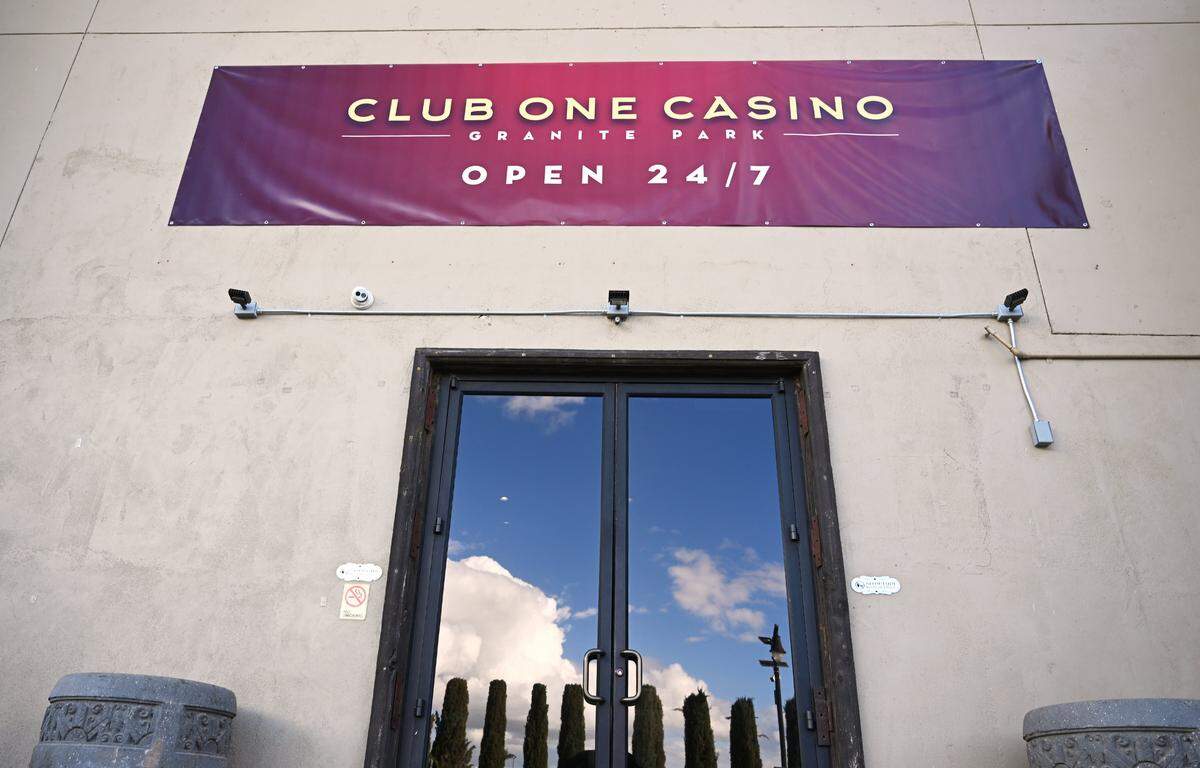
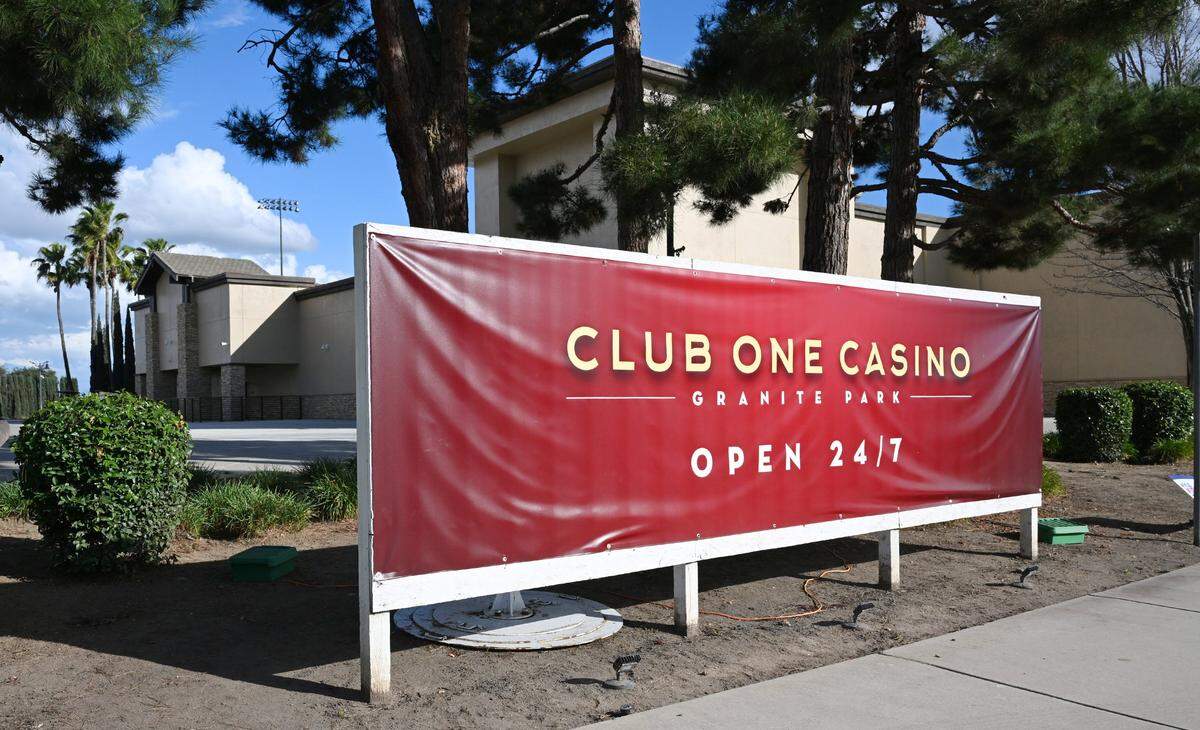
A new ban on blackjack is set to start April 1 in California because of recently-approved state regulations that stand to benefit Native American casinos but could hurt licensed card rooms, including Fresno’s Club One Casino and Clovis’ 500 Club Casino.
Club One owner Kyle Kirkland told The Fresno Bee on Wednesday that the ban could mean a drop in revenue that dramatically reduces his business’ tax contributions to the city of Fresno’s General Fund that average about $1 million annually. It could also eventually mean fewer jobs at Club One and 500 Club, he said.
“You’re talking about 500-600 working families in the county of Fresno immediately impacted by this,” said Kirkland, who is also president of the California Gaming Association.
California law since 2000 has allowed Native American casinos the exclusive right to offer blackjack games in which players compete against the house, though card rooms have instead used player-dealers employed by a third party for blackjack-style games.
The new regulations, proposed by California Attorney General Rob Bonta and the Bureau of Gambling Control, essentially ban card room blackjack and place stricter rules on player-dealers. They were approved Friday by the state’s Office of Administrative law, and California card rooms have until May 31 to submit plans for compliance.
The controversial approval comes after years of tribal casinos arguing card rooms were skirting the law by offering modified styles of blackjack. The rules received 1,764 public comments — including opposition from Fresno-area elected officials and support from the tribal gaming community — but were approved without “any substantive changes to the proposed regulations,” according to a Monday news release from Bonta’s office.
Kirkland said he believes the new rules are a result of the Native American gaming industry’s financial influence and political campaign contributions.
The California Nations Indian Gaming Association, a main supporter of the new rules, did not respond to The Bee’s request for comment Monday.
Legal action is plan A, says Fresno’s Club One
Kirkland said blackjack is about 25% of Club One’s revenue base, and player-dealer games are about 60% of its revenue base.
He estimates a drop in business from the new regulations would cause a 75% decrease in the tax revenue Club One contributes to the city of Fresno’s General Fund.
While Club One contributes $1 million annually in Fresno, Kirkland said there are smaller Southern California cities that heavily depend on card room tax revenue.
“It’s obviously super critical to us (in Fresno),” Kirkland said, “but there are some cities in Southern California that will be filing for bankruptcy if this goes through.”
Though Bonta’s Monday news release says the state followed the law by responding to each public comment and providing the final regulations publicly, Kirkland said he believes the state’s process was flawed.
“Plan A is we have to initiate legal action to push back against this,” he said. “Plan B is, ‘What’s this mean for Club One? What parts of our business can be saved.’ ”
Kirkland added that he’s never heard complaints about Club One’s games causing public harm, except from tribal casinos.
CA Native groups support stricter rules
In a public comment about the regulations last May, the California Nations Indian Gaming Association said the then-proposed rules were “a good first step.”
“For nearly a decade, we and many tribal governments throughout California have been seeking relief from what we believe to be unlawful games at card rooms,” wrote James Siva, the association’s chairman.
But the association at the time asked for further tightening of the proposed rules, arguing they contained ambiguities that card rooms could use to circumvent the rules.
The association also wanted mandatory penalties for violations of the new blackjack and player-dealer regulations, adding that there are often “wink and nod” approaches to these games in card rooms.
“While both (regulations) should be improved significantly, we commend the effort to finally address the lack of clarity about the games permitted at California card rooms, which has resulted in widespread illegal gaming,” Siva wrote.
He added that voter-approved gaming rights have been “vital to California tribal governments” and the services they provide their communities, including housing, education, healthcare and more. Tribal gaming itself generates $3.4 billion in taxes for federal, state and local governments, Siva wrote.