150 Fresno families received $500 per month for a year. Did it make a difference?
AI-generated summary reviewed by our newsroom.
- Pilot sent $500 monthly to 150 families in 2024–25, stabilizing household finances.
- Study found reduced food insecurity, lower stress and declines in debt levels.
- Program aided rural farm households weather seasonal work and immigration pressures.
An anti-poverty program in Fresno that gave 150 families $500 monthly for a year helped them get out of debt and reduced food insecurity and stress, according to new data.
In a new study, Fresno State researchers from the Center for Community Voices concluded that the guaranteed basic income pilot program has the potential to ease the burden of poverty for families struggling to get by.
Launched in July 2024, Advancing Fresno County Guaranteed Income, a program administered by Fresno Economic Opportunities Commission, distributed $500 monthly cash payments to 150 families with children in southwest Fresno (93706) and Huron (93234). Both areas have high levels of household and childhood poverty.
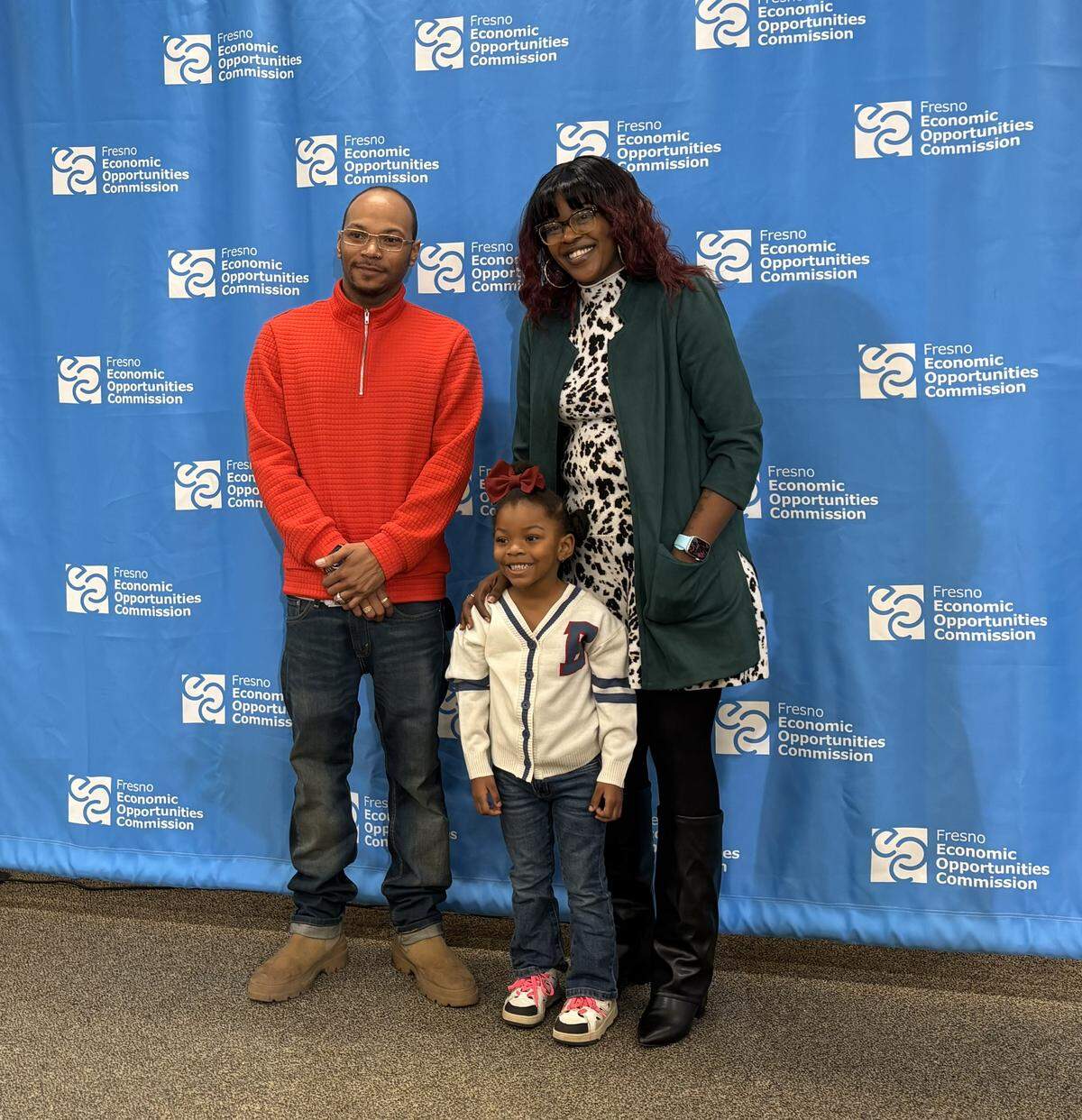
Derek and Ariel Williams of Huron, said the monthly cash assistance helped their family pay down utility debts, spend quality time together as a family and support their kids education and extracurricular activities.
“That gave us the opportunity to breath,” Ariel Williams said in a press conference Tuesday. “You don’t know how awesome it is to breath because you don’t have the weight of finances just beating you down.”
“This extra bit of money doesn’t magically change everything — but what you see over these 12 months are these trajectories moving upwards,” Amber Crowell, a professor of sociology at Fresno State and co-director of the Fresno State Center for Community Voices who led the program evaluation, said Tuesday.
Under the pilot, families started to relieve debt, seek out new career opportunities and create opportunities for their children, Crowell said.
“I think the case you can make there is that if this program could go on longer, if it could be permanent, you would see those trajectories continuing (to climb),” she said.
Fresno’s guaranteed basic income program was a years-long initiative inspired by a similar program launched by former Stockton Mayor Michael Tubbs in 2019.
In 2022, Fresno EOC applied for state funding for a proposed pilot from a $35 million pot of state funding for basic income programs. The Fresno project wasn’t selected, nor was any program in the central San Joaquin Valley. Instead, the group secured $1 million from several foundations to launch the pilot.
Andy Levine, who consulted on the fundraising and design of the guaranteed basic income program, said what was once a “radical idea” has proven to move the needle on poverty in several pilot programs across the nation.
Levine said the goal is to use the study findings to talk with policymakers, donors and legislators to advocate for more funding to help more families.
How did Fresno families spend $500 monthly cash?
Participating families received debit card payments on the 15th of each month.
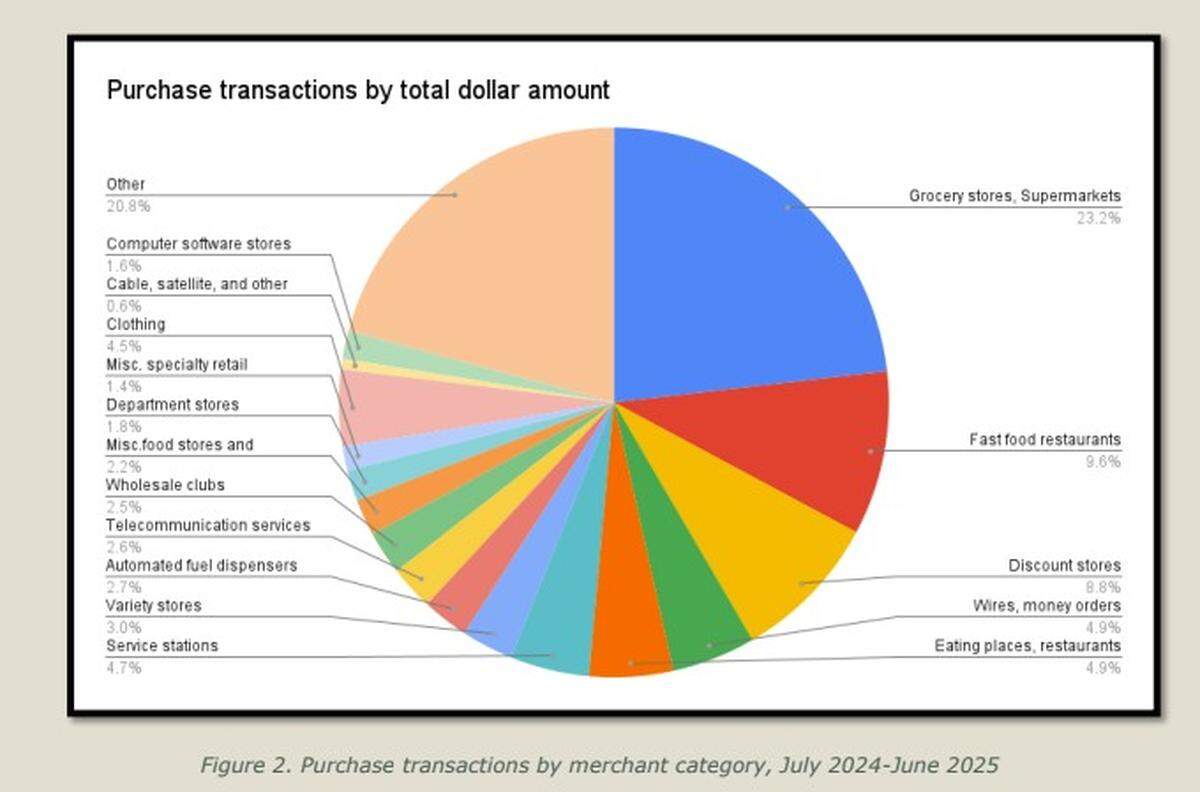
The debit card servicing company shared the spending data with Fresno EOC. According to the program study, about 40% of these funds were cash withdrawals.
For the purchase transactions made directly on the cards, data shows participants spend their funds on things like grocery stores, fast food/eating out and discount stores.
One of the main criticisms of direct cash assistance programs is that it could disincentivize people from working.
But researchers found that in Fresno County, there was “no statistically significant changes” in employment or educational enrollment status as a result of the cash transfers.
“Nobody reported that they quit their jobs,” Crowell of Fresno State said.
Rather, some program participants reported they were able to cut back on side gigs, or pursue new career training opportunities or certificate programs.
Unique challenges for rural residents
This program is thought to be one of the few guaranteed basic income programs that targets rural communities, officials said.
The study found rural residents face unique challenges.
For example, since many Huron residents work in agriculture, the $500 monthly cash assistance helped them to weather the volatility of seasonal agriculture work.
Additionally, some participants said the funding helped as immigration enforcement has ramped up in 2025 under the Trump administration. They were able to stay home instead of going to work, they told researchers.
Still, Huron participants faced more structural barriers and challenges, such as a lack of schools, medical services, opportunities and programming for their children that cash assistance alone couldn’t overcome.
“While it (cash assistance) cannot overcome every barrier, and it cannot alone eliminate poverty, it’s an important part of the anti-poverty agenda,” Crowell said.
This story was originally published December 17, 2025 at 11:04 AM.