Unsecured buildings, absent owners lead to fires in Fresno. Will city crack down?
AI-generated summary reviewed by our newsroom.
- Fresno Fire Department reports 78 vacant-building fires so far this year.
- City has 322 open code enforcement cases against vacant building owners.
- More than one-third of cases in District 3, which includes Chinatown and downtown Fresno.
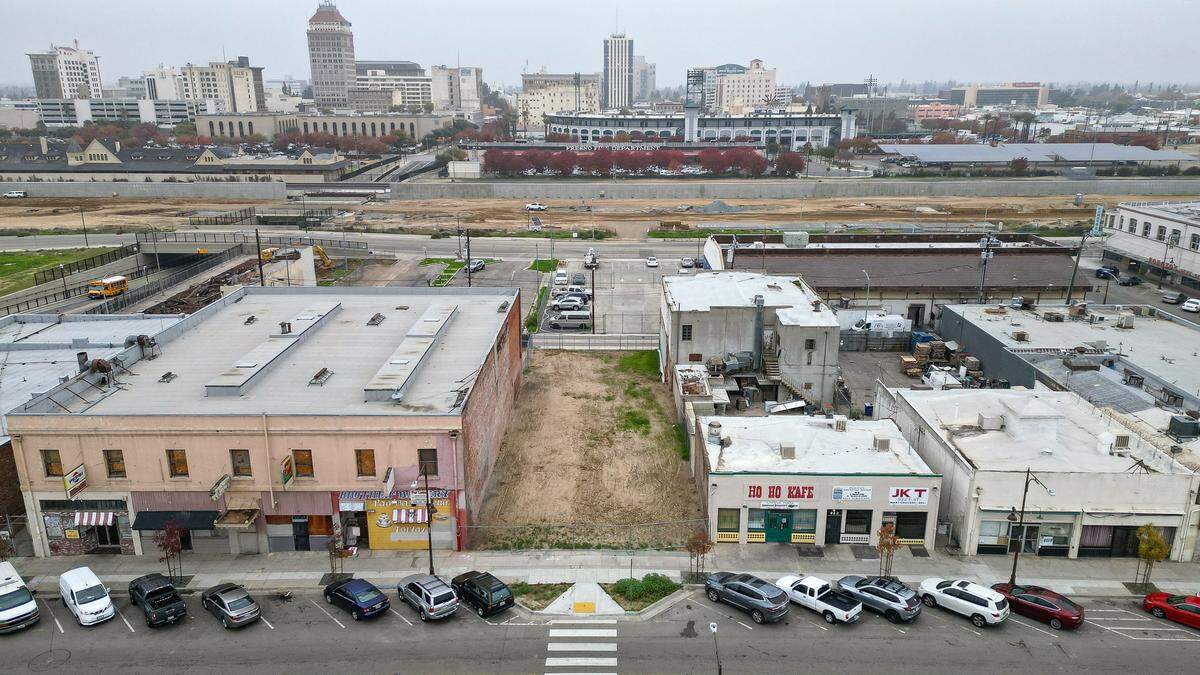
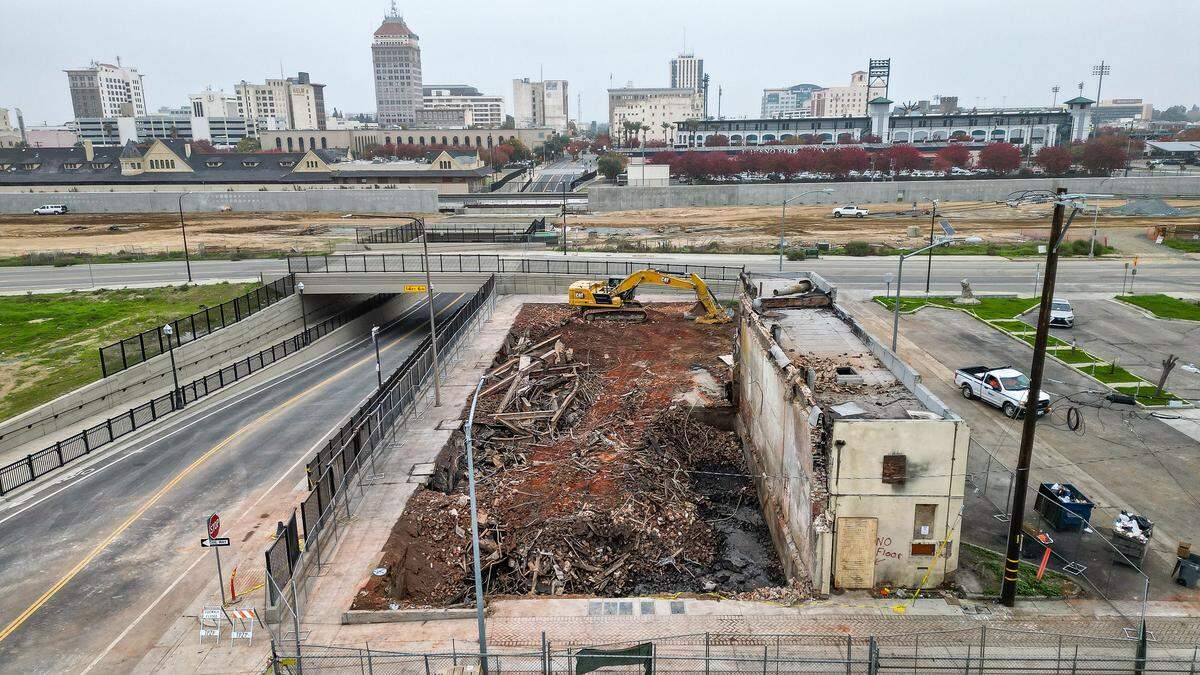
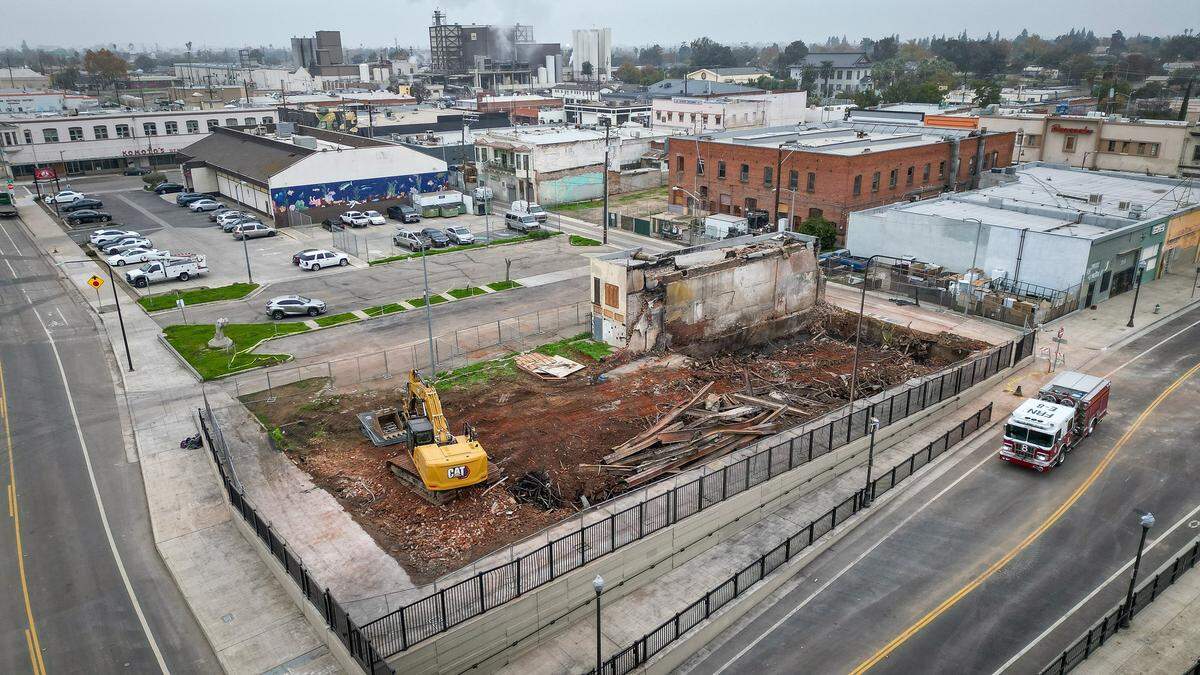
After a structure built in the late 1800s burned down in Fresno’s Chinatown on Sunday, neighborhood leaders say they wish owners of vacant buildings in the area would work harder to keep their properties properly secured.
They say some owners of vacant buildings are not present and virtually impossible to find. Meanwhile, their unattended buildings are accessible to unhoused people and pose a continued fire risk to Chinatown, an area that’s no stranger to the loss of historic buildings from destructive fires.
“We lose a part of our history,” said Jan Minami, executive director of the Chinatown Fresno Foundation. “These buildings were carefully built by one immigrant community or another who were forced across the tracks into Chinatown.”
Despite years-long revitalization efforts in Chinatown and downtown’s core, the city of Fresno has identified both as areas where blighted vacant buildings discourage development and keep property values from rising. Some unsecured buildings are often used by unhoused people looking for shelter, and in the winter months they sometimes illegally light warming fires inside.
City law requires property owners to register vacant buildings, keep them in compliance with the fire code and secure them against trespassing. Violations could lead to fines of up to $10,000.
The Fresno Fire Department has not yet determined a cause for the Sunday fire that destroyed the vacant building at the intersection of Tulare Street and China Alley, though people were found inside. Department spokesperson Josh Sellers said little is left of the property, so it will be difficult to determine much about the blaze.
The city also has limited code enforcement abilities in that case, said City Attorney Andrew Janz, because the property is owned by the California High-Speed Rail Authority, a state agency. But he added that the city has 322 open code enforcement cases against owners of vacant buildings today, with 115 of them, or 36%, in District 3, which includes the Chinatown and downtown Fresno neighborhoods.
Janz said the empty structures “definitely” pose a continued fire risk and that the city’s vacant building team is “pretty aggressive.” But he said limited resources mean the team is only able to pick up cases from community complaints rather than from actively looking for noncompliant buildings.
District 3 City Councilmember Miguel Arias said he does not think code enforcement’s resource levels are the problem. He said the city should try to take over more continuously vacant buildings through a court-approved receivership process, and that police should better enforce no-squatting laws.
Absentee owners ‘ongoing problem’ in Fresno’s Chinatown
Minami said the inadequate protection of vacant buildings in Chinatown is “an ongoing problem, especially with absentee owners.”
“If a building is secured properly, it’s unlikely there will be people inside and unlikely there will be fires that start,” she said.
She added that sometimes people trespass into empty buildings by climbing onto their roofs and entering from there. That seemed to be the case before a blaze in Chinatown last month, when firefighters rescued a man from the vacant “Orange building” on F Street next to the U.S. Bank, Minami said.
“Finding an appropriate owner is impossible,” she said, “and if that’s the case, it’s very difficult to maintain the integrity of a building that people have figured out is enterable.”
Morgan Doizaki, owner of the Central Fish Co. in Chinatown, said he is also worried about the Orange building that burned last month. His business is located next to the state-owned property that burned Sunday and across the China Alley from the site of the historic Bow on Tong building that burned in 2022.
He said most owners of the many vacant Chinatown buildings are trying to put their properties to use. But the Orange building “still has stuff inside” and attracts people who have caused damage to nearby properties.
“There’s no one there to protect the building,” he said.
78 vacant structure fires in 2025, fire dept. says hold owners accountable
Sellers, the Fresno Fire Department spokesperson, told The Bee on Tuesday that the department has responded to 78 fires in vacant buildings — commercial and residential — so far this year. That’s about 8% of the year’s 833 structure fires.
He said the department has also responded to 3,617 fires associated to homelessness so far this year — a 33% increase from this time last year. Typically, Sellers added, warming fires will increase this time of year because it’s getting colder.
“It’s also important for the city’s Code Enforcement Division to hold property owners accountable and make sure that they are maintaining safe buildings,” he said.
Janz, the city attorney, said more resources would “absolutely” help his office do that.
“Until that happens, we just encourage the public to report anything that they do see,” he said.
Arias, the District 3 councilmember, said the code enforcement operations have always been reactive to complaints, but the city cannot force property owners to invest more than what’s required to keep them compliant with minimum standards.
Oftentimes, he said, code enforcement cases close “prematurely,” and then the commercial and residential buildings at fault continue to see break-ins and fires.
“I think we have to take these buildings that have a long history of being vacant,” he said. “Every time we’ve taken a single family home into receivership, it’s permanently solved the problem.”