Was Fresno cop distracted in fatal crash that killed father of 2? City pays $3.25M
The city of Fresno has agreed to pay $3.25 million to the family of a man who was crossing a roadway when an on-duty officer struck and killed him in a police cruiser.
The family’s attorney says Fresno Police Department’s investigation of its own officer was skewed, and the officer was at fault. Police department officials said the settlement by the city is not an admission of guilt by police and argued investigators fully probed the fatal crash.
The officer was not the subject of any criminal investigation and remains with the department.
Christopher Walker, 37, was crossing Shields Avenue about 6:55 p.m. on Jan. 5, 2023, when he was struck by a Fresno Police Department cruiser driven by officer David Hutchason.
The Walker family’s attorney, Adam Carlson, said Hutchason was on the phone and driving faster than the posted 40 mph speed limit when he hit Walker in the roadway between Millbrook Avenue and First Street.
He said Hutchason’s testimony was inconsistent and the Fresno Police Department fumbled the investigation by not calling in a third party agency — like Fresno County Sheriff’s Office or California Highway Patrol.
“Basically, coworkers are doing an investigation into what happened, and it has the appearance of bias, and in this case it was quite clear that the investigation was biased,” Carlson said. “It would have been easy for them to reach out to CHP and find out if they were available to come and investigate the incident.”
Fresno Police Chief Mindy Casto said there was no evidence Hutchason was distracted by his cellphone at the time of the collision.
“A number of factors are considered when making the decision to settle a case or take it to court when a tragic death is involved, but intentional wrongdoing by members of the Fresno Police Department did not happen in this case,” she said in a statement.
The case ultimately did not go before a jury, but Carlson argued the investigation was mishandled by police. At issue was whether the officer was distracted while driving and if Walker was at fault.
Lawsuits in most cases are subject to non-disclosure agreements, but civil cases involving public agencies are public domain. Carlson released footage from a deposition of Hutchason.
Hutchason appeared to admit to another officer in a body-worn camera video that he was on the phone when the crash happened, according to video from his deposition. The officer wearing the camera can be heard saying, “let me go off before you say anything” as he turned off the camera facing Hutchason.
Deposition video showed Hutchason saying he was not on the phone at the time of the crash. He also traded in a phone for an upgrade after the family attorney notified the department they wanted it preserved for evidence.
Carlson said his office sent a letter in late January, about three weeks after the crash, to preserve the phone and then a formal request on Feb. 5.
Hutchason said he exchanged the phone for an upgrade in the spring or summer after the crash, according to his deposition.
Casto said Hutchason was not issued a department phone at the time of the crash, so the city did not retain it. The phone he later upgraded was his own, but he did not personally receive a letter to retain it, Casto said in her statement.
She also noted evidence from the Fresno County Coroner’s Office that Walker had a blood alcohol content of 0.26% after the collision. For context, state law set 0.08% BAC as the legal limit for drunken driving.
“There is evidence that Mr. Walker was intoxicated and jaywalking, while on his own cell phone, when he stepped off the median, in the dark glare of a wet night, in front of the moving patrol car and was struck and killed,” Casto said in her statement.
Carlson said the investigation was incomplete because the coroner did not collect “vitreous humor fluid,” a standard cross-check sample taken from the eye of a person. Someone involved in a traumatic incident, like being struck by a car, produces bacteria in their blood that can give a false reading for alcohol in the blood that is not present in the eye-related procedure, he said.
“There was no reason why it couldn’t have been taken, and they had no explanation for why they didn’t when their protocol is to do it,” he said.
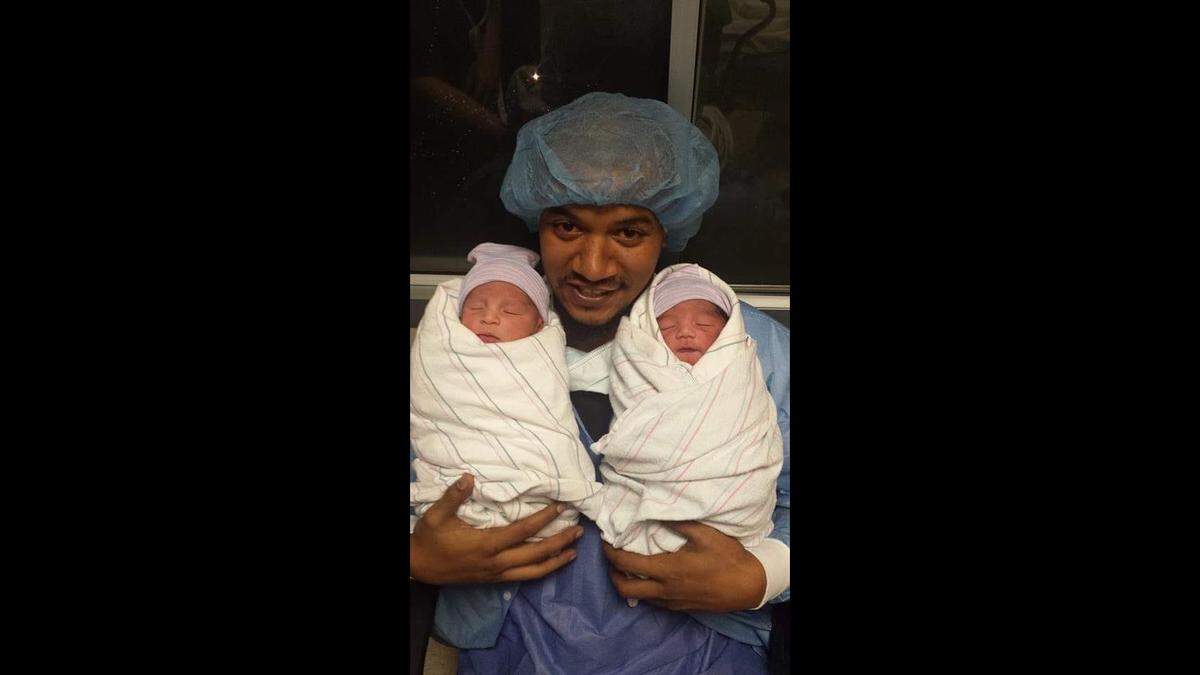
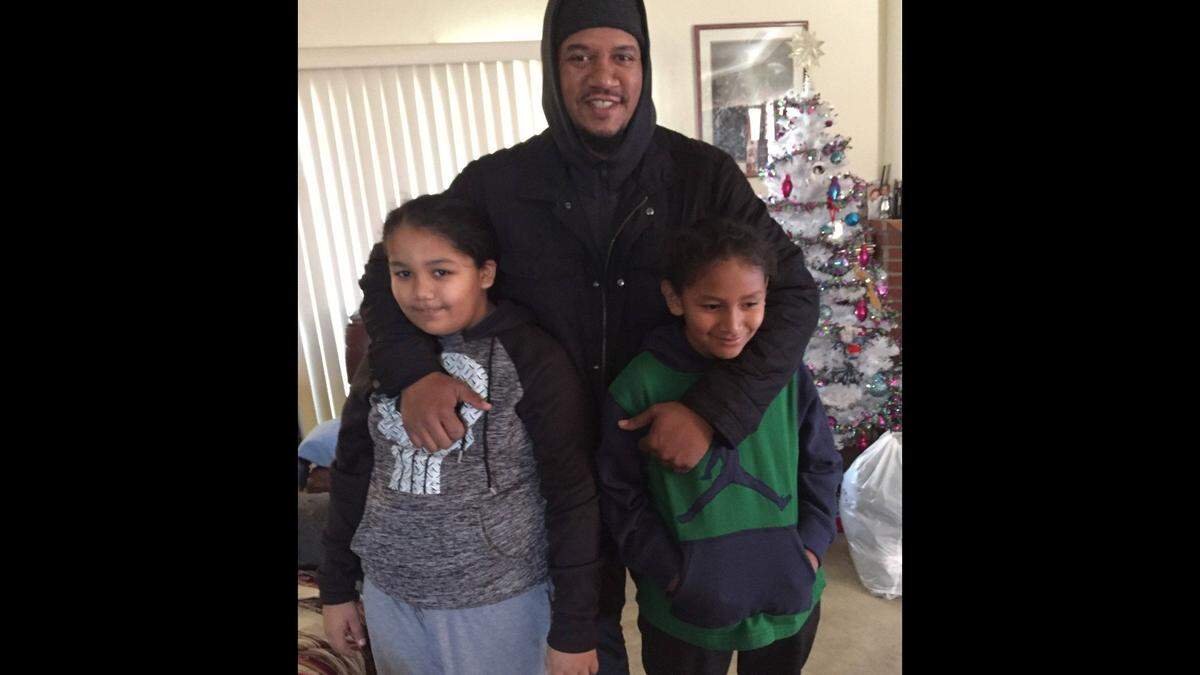
The dollar amount in the case was determined to provide financial support for his twin 10-year-old sons, Neeko and Chris Jr., Carlson noted.
He said Walker’s family remembered him as a great athlete and loving father.
“I was present during the depositions of these two twins, and it’s just really heartbreaking the loss that they’ve suffered,” he said. “What really, really came forth was how incredible of a father he was in being present and involved.”
This story was originally published December 3, 2025 at 3:48 PM.