Central Valley school trustee says Trump’s ICE crackdown reminiscent of 1970s raids
AI-generated summary reviewed by our newsroom.
- Longtime Central Valley resident recalls 1970s raids and current ICE uptick.
- Childhood memories show agents pursued runners; detainees placed in vans.
- Gamiño urges recognizing immigrants’ labor value and protecting family rights.
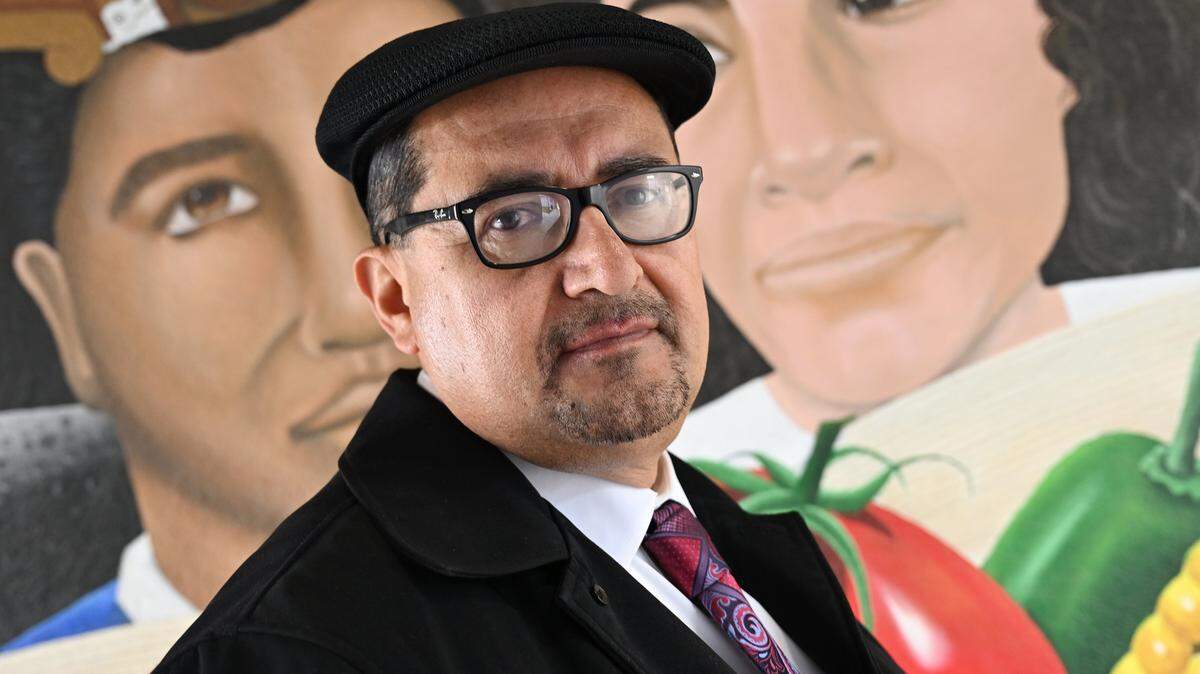
As a young boy in the 1970s, Eliseo Gamiño would watch fieldworkers frantically sprint along the aqueduct near the San Luis Reservoir in desperate attempts to evade immigration authorities.
It’s a memory that Gamiño, now 56 and a school board trustee in Firebaugh, hasn’t been able to stop thinking about as he draws parallels from the hardline tactics of 50 years ago to this year’s mass deportation crackdown under President Trump.
Firebaugh, a small town in west Fresno County, was recently upended by the detainment of longtime resident Maria Caballero during a green card interview in Fresno in October. Caballero, a mother of four with no prior criminal history, worked in the fields and at a local tomato-canning plant. She regularly volunteered at her church and kid’s school, and was deeply rooted in the community.
School districts in Firebaugh and across the Central Valley have also experienced a significant rise in student absences that some researchers correlate to the surge in immigration enforcement activity.
“The community is sad, and people are expressing support for (Caballero’s) family,” Gamiño said. “It creates a lot of anxiety, mistrust, and resentment toward a broken immigration system that politicians have neglected for decades. As a trustee, I want to ensure the school district is a safe haven and that we provide the counseling and support systems needed to deal with this traumatic situation. You have children who are citizens pleading for their mom not to be deported.”
Gamiño said Caballero’s detainment illustrates how the immigration enforcement tactics used today are more forceful and dehumanizing than those deployed in the 1970s, when his family first arrived in Fresno County.
“It’s more brutal, less humane. It has taken a step toward the worst. In American society, we’ve always respected people’s right to have their day in court,” he said. “Now families who have been playing by the rules — attending their hearings and trying to fix their status — are being pulled in during the very process meant to prove they’re worthy of legal status in this country. There’s a growing mistrust in a system that once offered some stability.”
Deportations in the 1970s Central Valley
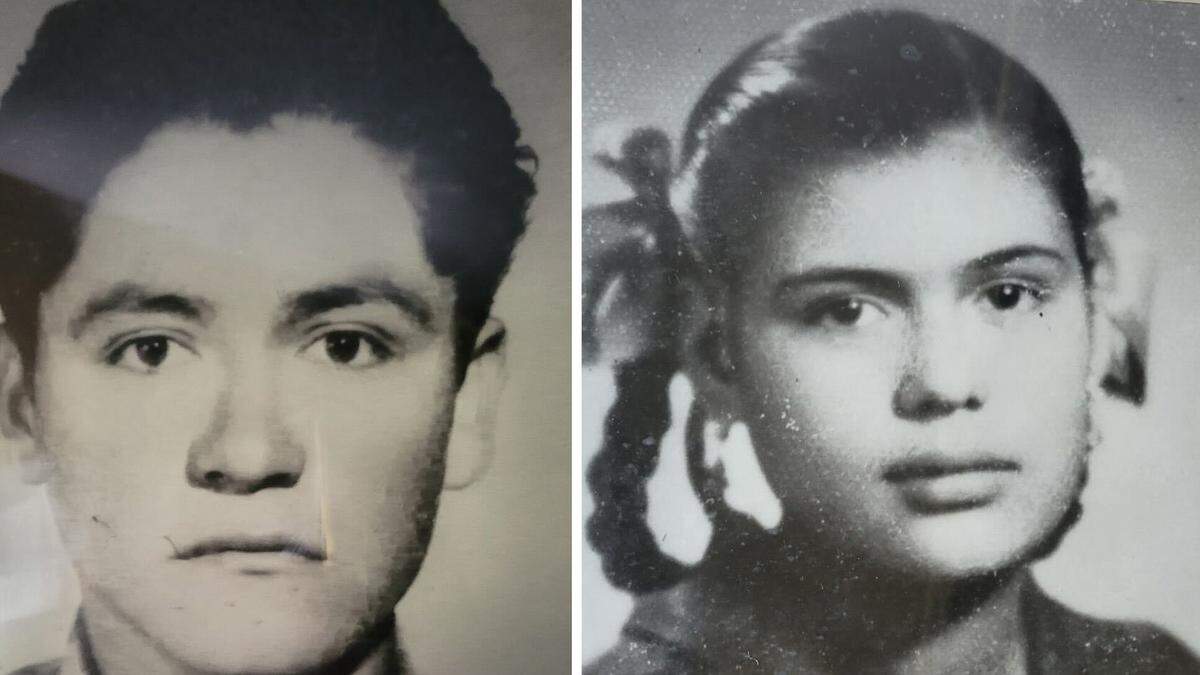
Gamiño immigrated to the U.S. in the 1970s with his parents and siblings through the Bracero Program, a U.S.–Mexico agreement that brought Mexican laborers into temporary farm work. On weekends, he would accompany his mom to the fields and help cut weeds and thin sugar beets. He recalls at least two separate occasions when immigration enforcement officers arrived in vehicles marked with white and green logos.
“When immigration would come, people would shout ‘La Migra!’ to alert folks who didn’t have social security or visa to start running. Some would jump the San Luis aqueduct, they would put their lives at risk. There was a mentality of ‘if you want me, come get me.’ You would always hear stories of folks escaping, but also some people who would not make it out of the aqueduct,” he said.
Gamiño said that about six immigration officials would show up and seemed to only go after the people who ran and assumed that those who didn’t run and spoke English had legal status to be in the country. Those detained while running were placed in vans. But there was also an implicit network of caring for those who worked for the farms.
“They wouldn’t go in without permission. There was an unspoken rule that immigration officials wouldn’t go in without the ranchers knowing about it,” he said. “Now there’s an element of surprise. ICE is going in without asking for permission. They’re entering private property without the proper protocol, and many agents have been hired quickly without adequate training. That’s why I think we’re seeing so much abuse and brutality.”
In 2025, use of excessive force by federal immigration agents during some operations has been flagged by rights-watching groups such as Human Rights Watch, underscoring growing concerns about abuse, due process violations, and erosion of civil liberties. Some Democratic senators have also expressed concern over the hiring practices of ICE agents, suggesting the Trump administration may be “cutting corners” and “loosening” requirements.
But while some things may have been better in the 1970s, Gamiño remembers that agents still used forceful tactics. At age 6, immigration officers showed up at his home in a farmworker community in Fresno County. His oldest brother told the agents no adults were home, but Gamiño remembers them going in anyway.
“They pushed the door open and started looking around to make sure we were by ourselves and that no adult was hidden,” he said.
His uncle, who was undocumented, was inside the home at the time, sick with a dry cough. He stayed hidden from immigration officers by hiding in a closet under some blankets and pillows, though he would later be detained and deported to Mexico.
In the ‘70s, it was common for kids to shout “La Migra!” so that other kids would get scared and start running, Gamiño said. He would often hear of kids having to go live with their aunts or uncles because their parents had been detained by immigration officers.
From all of his experiences with immigration and those of his friends and family, what stayed with Gamiño throughout his life was a heightened awareness of how others perceived him.
“You become more aware of your ethnicity, and you become aware of the dynamics between those who have visas, opposed to those that don’t, and those that live in fear of being deported, and those that are more secure and feel more secure and live more securely because they can present a legal document to prove they’re here legally,” he said.
Gamiño said his experiences with immigration has deepened his empathy for residents who don’t have citizenship or visas and live in fear of being deported.
“Our constitution says that every human being that lives here in America has the right to seek the welfare of their family and many officials forget about the sacredness of that,” he said. “They want to dehumanize immigrants, make them out to be criminals when they contribute so much to the American economy. They help feed America.”