Neighbors remember deal barring concerts at Fresno State stadium. What happened?
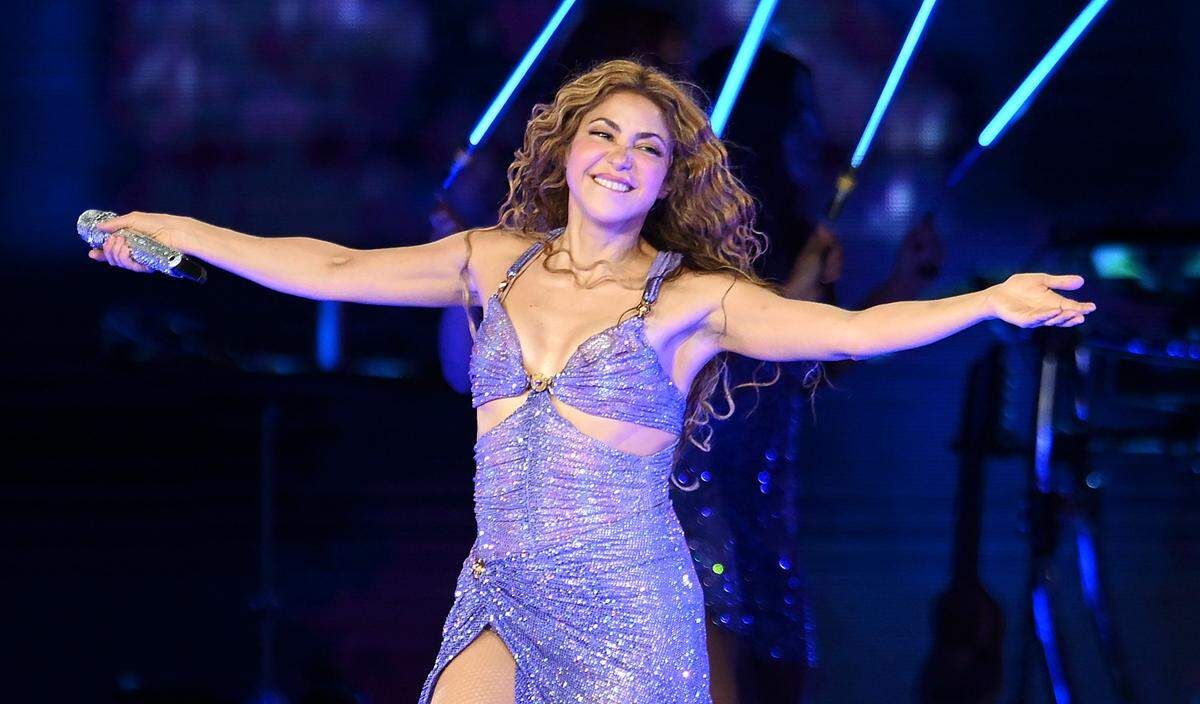
Shakira’s concert at Valley Children’s Stadium earlier this month was a precedent-setting event.
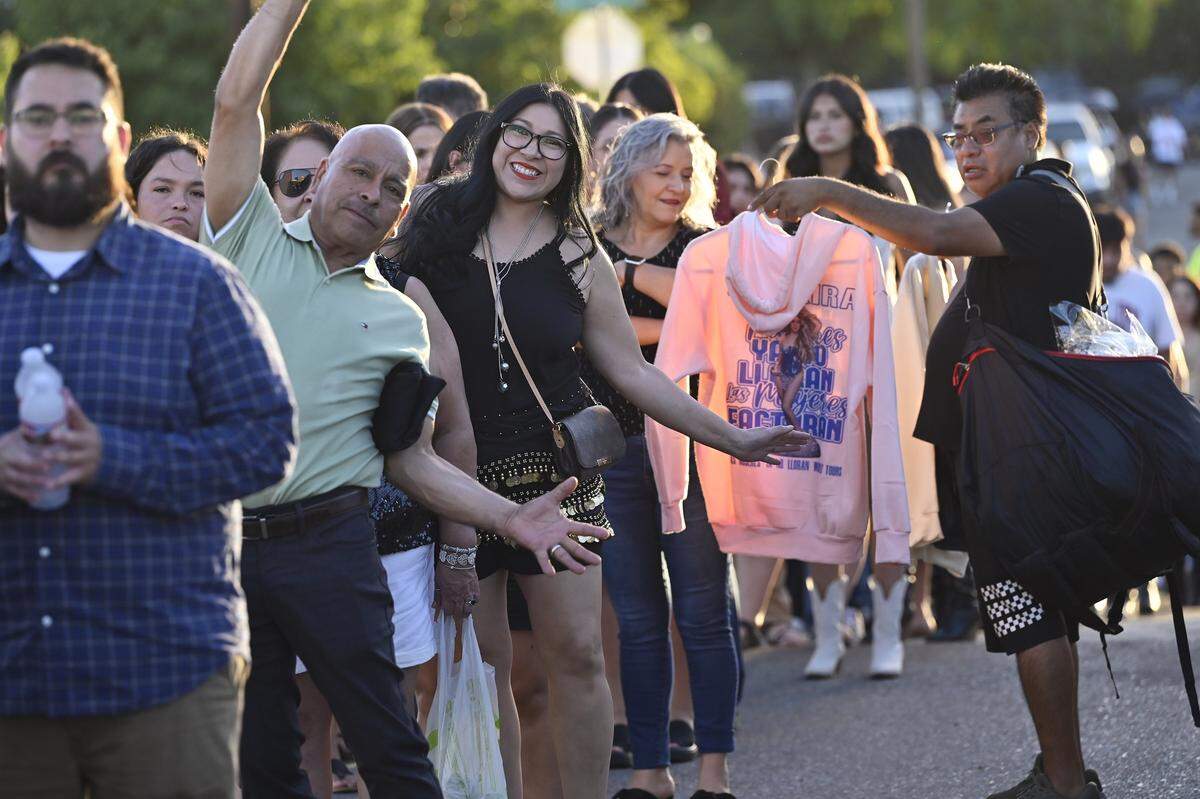
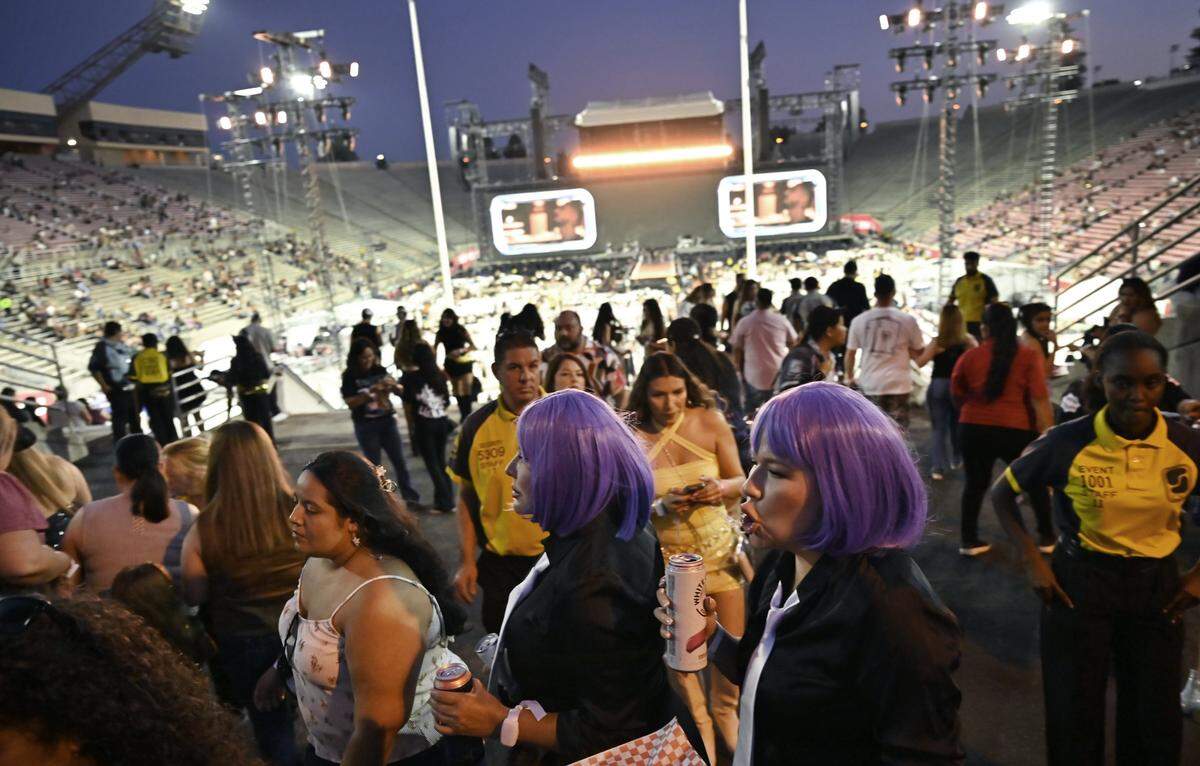
It was the global pop star’s Fresno debut and one of the largest single-day concert draws in the city’s history, with nearly 30,000 in attendance. An official ticket tally has yet to be released.
It was also the first time Fresno State used its football stadium for live music, breaking what felt like a long-standing agreement between the university and its neighbors that the venue not be used for such purposes.
Some wondered whether the school simply ignored the agreement in its move toward finding new financial opportunities at the stadium. Others assumed some statute of limitations had run its course, allowing the university to revisit to stance on concerts at the venue.
Was there a stadium concert ban at Fresno State?
But was there ever really a prohibition in place?
If there was, it doesn’t appear to be in writing. No documents showed up in a records request sent to Fresno State earlier this month and in fact, a search of newspaper archives shows this question has been up in the air for decades.
The venue initially known as Bulldog Stadium was constructed in the late 1970s as the home of the Fresno State football team, which had been sharing space at Ratcliffe Stadium on Blackstone Avenue.
The new $7 million-plus dollar stadium, just off campus at Barstow and Cedar avenues, would have 30,000 seats (another 10,000 would be added a decade later) and become “Sweeney’s House” — a reference to the newly rehired head coach Jim Sweeney, who created a dynasty on the field and racked up nearly 150 wins during his time with the school.
There was neighborhood conflict from the beginning. A group of residents who lived near the stadium site fought to halt construction before it started. They ultimately lost in court, but not before receiving promises from the university, including that it would not host concerts at the stadium.
Those promises never seemed binding.
In fact, a 1980 Fresno Bee column chronicling the opening of the stadium quoted Grace Longeneker, a resident who had opposed the facility, but found herself “prepared to live with the imposing new neighbor — with a provision.”
“If just once they’d bring Willie Nelson and his family in for a concert, it would sweeten the whole situation,” she told The Bee. “And if they topped it off with Bonnie Raitt concert, I wouldn’t complain again for 40 years.”
Nelson did eventually play a stadium in Fresno, just not that one. He performed at Chukchansi Park in 2009.
Within three years of its football stadium opening, the university was pitching the idea of hosting live music at the venue as a way to support arts and humanities programs and offer upkeep.
The neighborhood’s city councilmember at the time called the idea “a slap in the community’s face,” but Fresno’s city attorney told The Bee it couldn’t stop the school from having concerts in the stadium, only monitor noise levels and charge an admission tax.
When the idea resurfaced a decade later, Fresno’s deputy city manager again told The Bee he wasn’t aware of any restrictions that would prohibit a concert at the stadium, though he acknowledged there may have been an understanding among residents.
“The best I can find out, it was a gentleman’s agreement.“
Indeed, a 1984 editorial in The Bee makes reference to “oral commitments” the university made to those in the stadium neighborhood. According to the editorial, the university would not allow for “rock concerts, with their attendant noise, traffic and potential crowd behavior problems.”
It left the door open for other types of music, “soft-rock, or county western or a Frank Sinatra-type thing.”
The editorial was a response to rumors that Michael Jackson had put out feelers for a possible concert at the stadium and that he would likely be rejected under the university’s policy. It called on the school to publicly state whether concerts, of any kind, were allowed or not, “rather than go through the torturous and doomed attempts to figure out which music styles and which kinds of concert goers are less intrusive than others.”
“It’s not terrible waste if the stadium is just used for football, soccer and commencement exercises,” it wrote.
Not much had chance by 1992, when the school revisited the idea and said it was interested only in concerts that “present a positive, wholesome image,” according to a column in The Bee.
Garth Brooks, U2, Genesis and Michael Jackson were suggested as possible performers to be wooed; Van Halen and the Red Hot Chili Peppers, not so much.
As an interesting aside, Ratcliffe Stadium, which Fresno State sold to the State Center Community College District in 1973 to help pay for its new facility, actually managed to host a series of rock concerts, including a 1983 performance by The Police with Thompson Twins, Oingo Boingo and The Fixx.
Late-night noise at the stadium
As for Shakira’s performance, Fresno State said it “received minimal negative feedback” from residents surrounding the stadium. “We even received some positive feedback,” athletics director Garrett Klassy told The Bee.
“Everyone has been pretty accepting of it, and that show went late.”
Not that the university had to get any special permiting or permissions for the late-night noise levels.
According to the city, the stadium is state property, so it doesn’t fall under the city’s noise ordinance, which typically puts restrictions on how late outdoor concerts can run.
Grizzly Fest was allowed at Woodward Park in 2018 under the stipulation that there would be no music or other amplified sound after 11:30 p.m., with a fine each minute beyond that deadline: $1,000 per minute until 11:40 p.m., $10,000 per minute from 11:40 p.m. to midnight, and $100,000 per minute after midnight.
Shakira’s concert ran until 11:45 p.m.