Meet the Central Valley animal rescuers trying to curb Fresno’s feral cat crisis
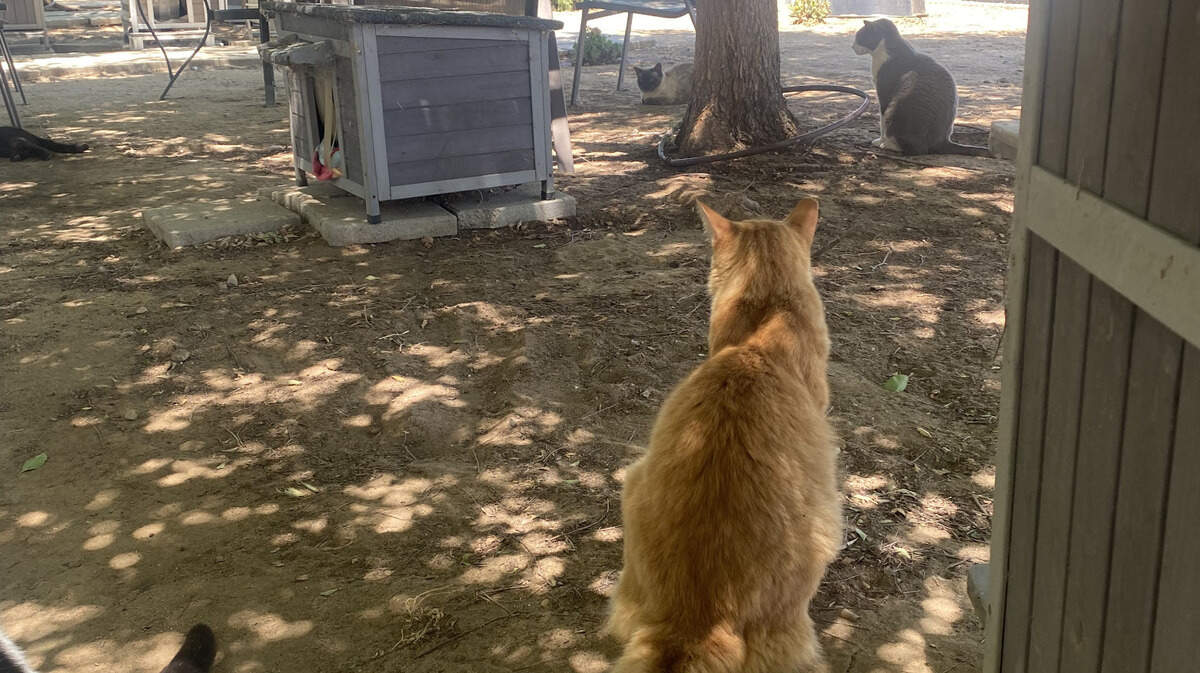
Lynea Lattanzio never intended to build one of the nation’s largest no-cage cat sanctuaries — she just wanted a kitten.
But, after a visit to a shelter and a few unexpected rescues in the early 1990s, she found herself bottle-feeding 15 newborns. More than 30 years later, the Cat House on the Kings, along the Kings River, has saved more than 44,000 cats.
Across Fresno and the Central Valley, a network of volunteer organizations are taking on a crisis that many say the city has failed to address: the unchecked overpopulation of stray cats.
Fresno at one point had the highest shelter euthanasia rates in California. Currently, as public shelters shift to “modified intake” and refuse healthy stray cats, the burden has shifted toward nonprofits, volunteers and foster networks.
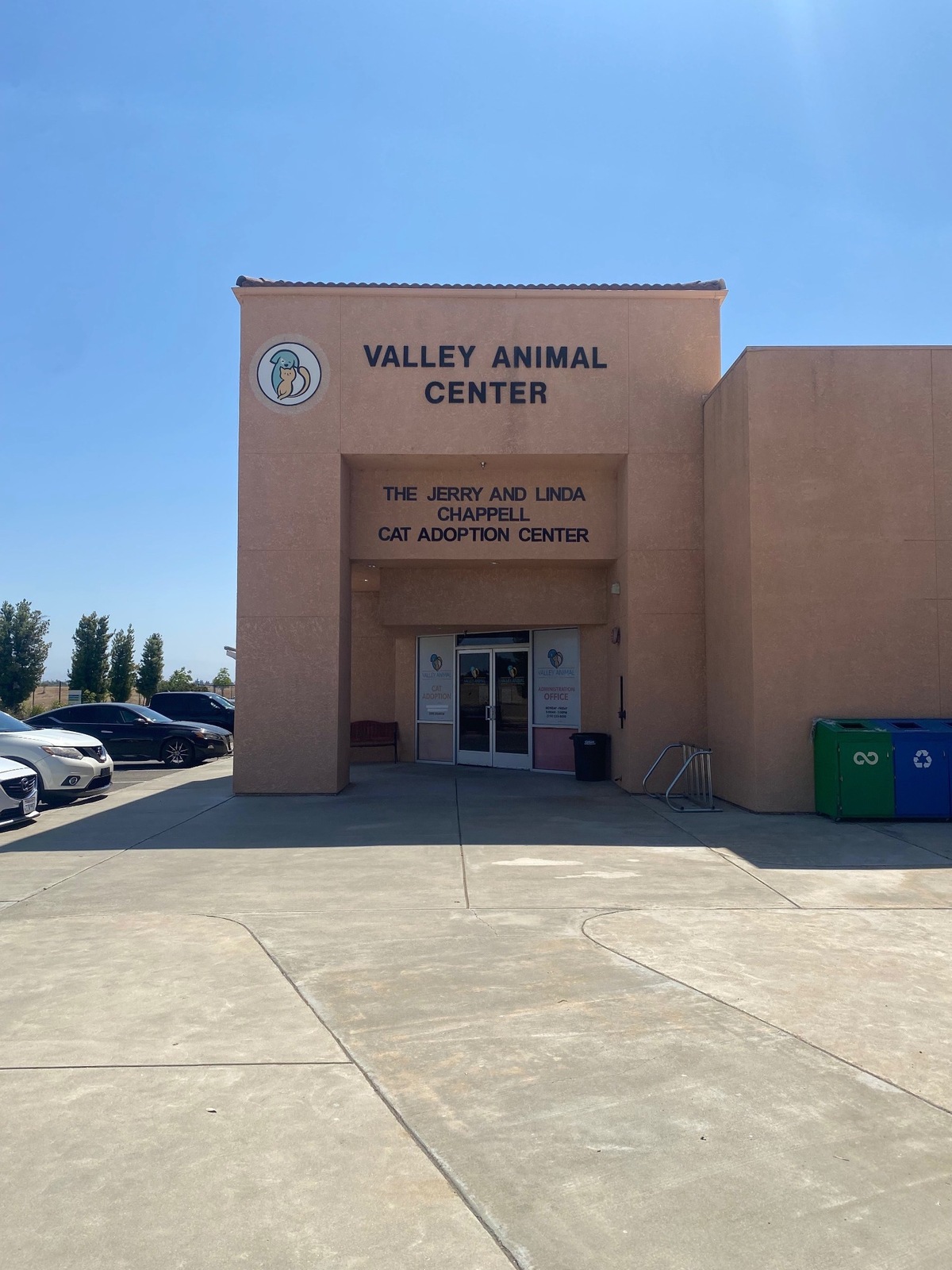
“It’s a growing problem,” said Ruben Cantu, a supervisor at Valley Animal Center, a no-kill animal shelter and adoption center in Fresno. “The cat population, and even the dog population, is really starting to see an increased number of strays and animals at large.”
Beth Caffrey, donor relations lead for The Cat House on the Kings, says the city has made efforts to regulate backyard breeding with ordinances requiring breeder permits. But enforcement is lacking.
“You had to list your breeder’s license then they would just give, you know, a fake number and nobody was there to look it up,” Caffrey said. “The issue there, though, is enforcement.”
Without enforcement or access to affordable spay and neuter services, advocates say, these laws are toothless. In contrast, cities like Sacramento have implemented coordinated “Spay Days,” uniting vets, shelters and public health departments to address overpopulation at scale.
The cost of care
In 2019, the residents in the Fresno region could get a cat spayed for as little as $35. After the pandemic, local vets are charging $75 and up.
“They looked at it as an elective service, so they stopped providing elective services, meaning that we left hundreds and thousands of cats unaltered that would have been spayed/neutered during those two seasons,” Caffrey said.
The effects are still felt today. Litters are common, and the math is staggering. One unspayed female cat and her offspring can produce 370,000 kittens in just seven years, according to the Humane Society.
Despite doing the city’s heavy lifting, these groups— which include The Cat House on the Kings, Fresno TNR (short for trap, neuter, release) and the Valley Animal Center —are not publicly funded.
“We rely on the donations,” said Caffrey. “Even the granters have stopped doing as many spay or neuter grants.”
In July 2022, the Fresno City Council approved $6.7 million in funding to bring animal services in-house, including hiring two full-time veterinarians aimed at supporting ongoing spay/neuter services, which could benefit TNR and stray management. In February 2023, the city launched a low- or no-cost spay/neuter program in which dog surgeries cost $25 and cat surgeries were provided free and funded by the city’s annual budget.
Sontaya Rose, communications director for the city of Fresno, confirmed that all funding allocated to TNR services has been spent.
Fresno’s cat rescues are over capacity and underfunded
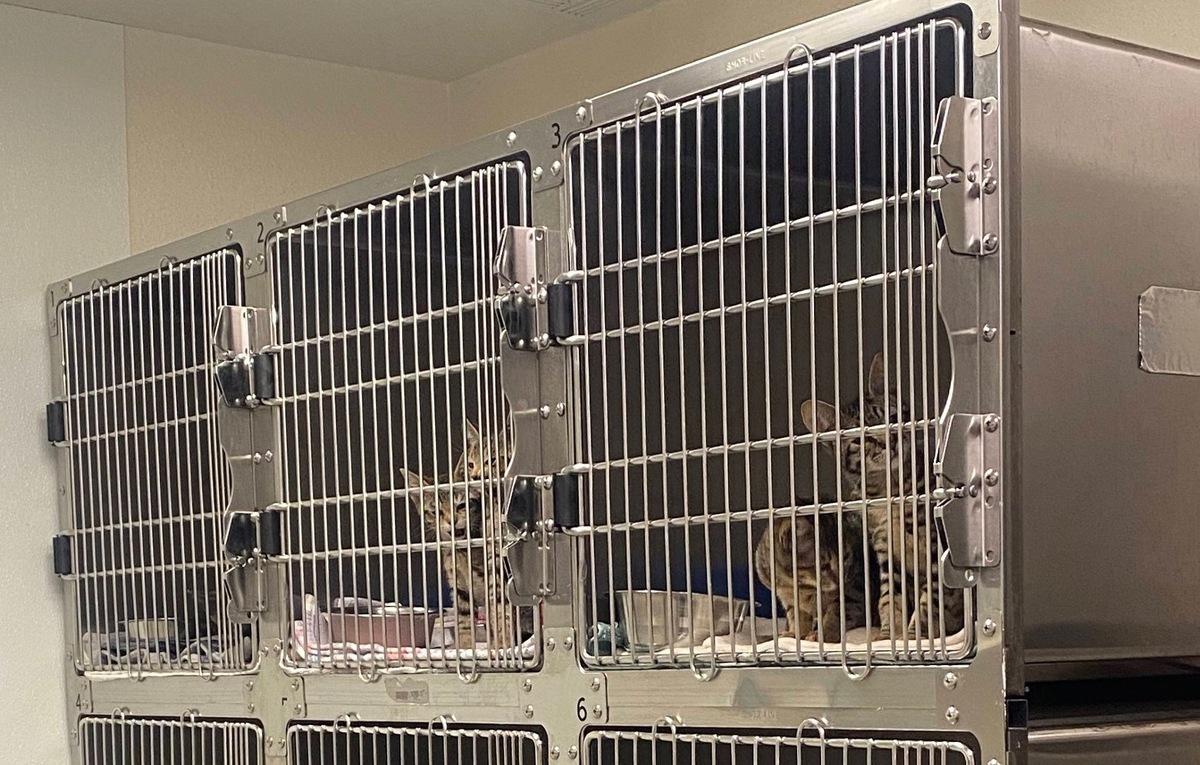
Cantu of the Valley Animal Center says they take in about 1,000 animals annually, and often must turn away urgent cases due to overcrowding or limited resources. They operate with a $2 million annual budget and no city funding.
“If someone brings us sick kittens, we have to consider if we’re putting the rest of our shelter at risk,” Cantu said. “We ask the community to help us help them.”
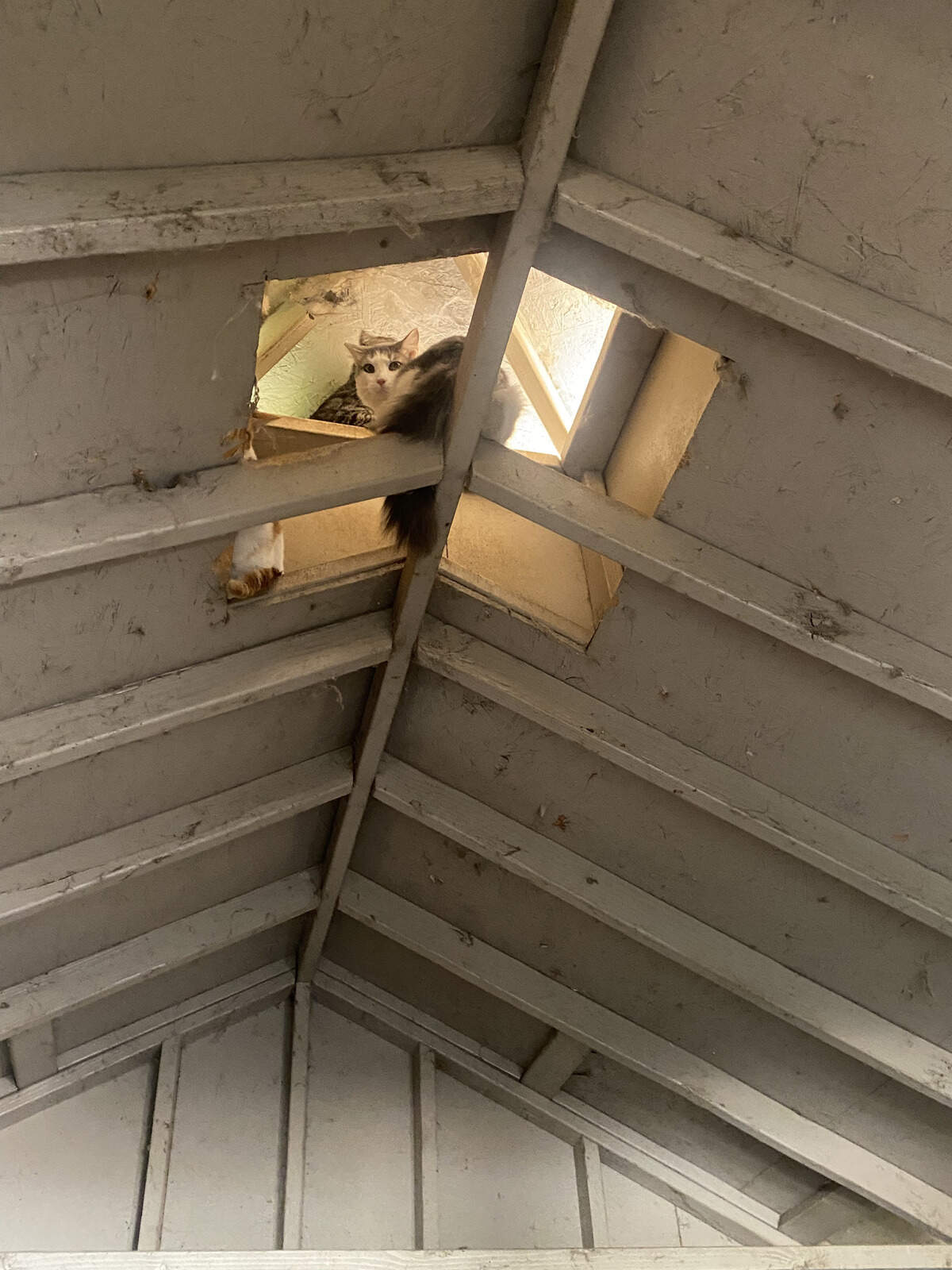
Despite the hurdles, Valley Animal Center partners with Fresno TNR to offer spay/neuter surgeries for feral cats — around 80 per week. Since their founding in 2022, Fresno TNR has fixed over 15,000 community cats.
Still, Cantu says education is key to preventing overpopulation.
“I visit schools and ask how many kids had a litter of kittens or puppies at home. Ninety percent of hands go up,” he said. “People don’t know this is the root of the problem.”
Solving the problem isn’t easy.
Caffrey recalled a morning when staff found 18 kittens left in plastic bins at the sanctuary gates with no food or water. She said it’s not uncommon for people to abandon animals anonymously, even though help might have been available with a simple phone call.
In another case, Lattanzio described a little black kitten, about five weeks old.
“A little black kitten, maybe five weeks old, was in a bag with glue and stuck on somebody’s door,” Lattanzio said. “The kind of glue that doesn’t come off.”
Against the odds, the kitten survived and was later adopted.
The organizations are asking for support from the city and residents to care for the kittens no one else will take.
“The taxpayer pays for animal control services. As a part of the animal control services, at the very top line should be spay/ neuter,” Caffrey said.
This story was originally published July 6, 2025 at 5:00 AM.