Gallo Winery practices threaten Fresno drinking water, regulators say
Central Valley water regulators want the world’s largest winery to stop using its wastewater on local crops — a decades-old waste management practice — because it’s threatening Fresno’s drinking water supply.
The Central Valley Water Regional Quality Control Board issued a tentative Cease and Desist Order to E. & J. Gallo Winery in March for allegedly violating 2015 waste discharge requirements.
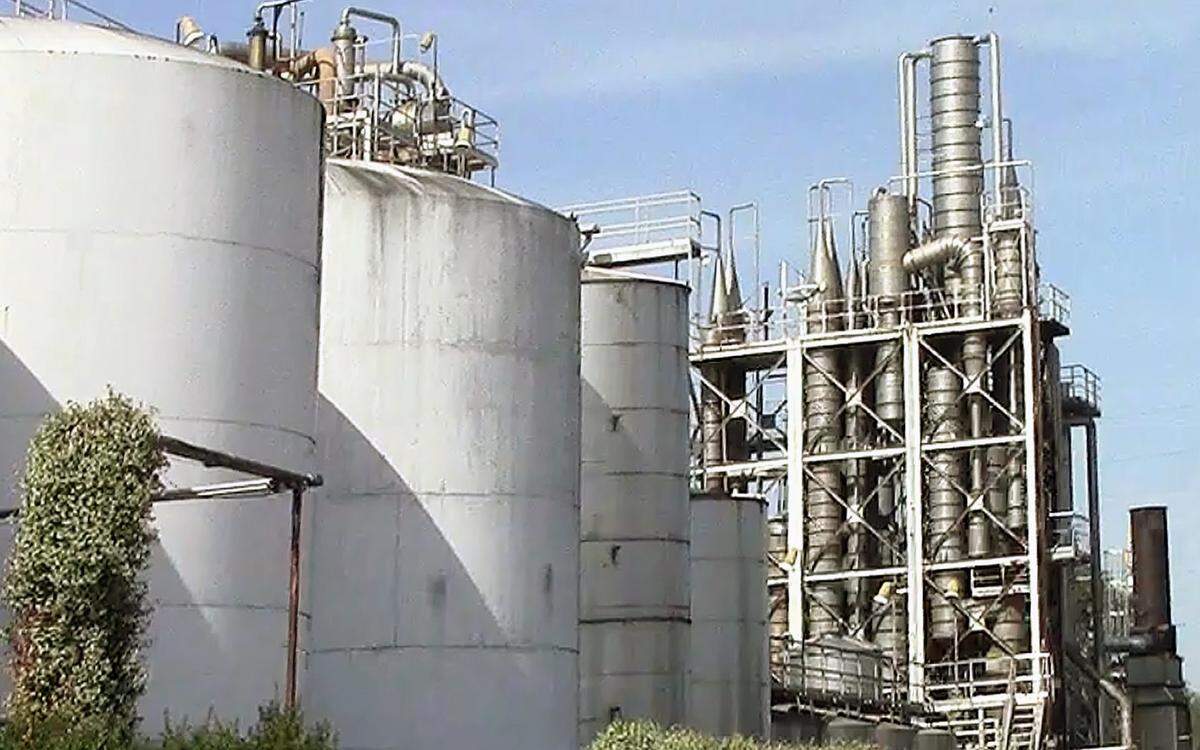
The stipulated order says the winery at Olive and Clovis avenues is “threatening to adversely impact groundwater beneath the Facility.” Specifically, Gallo’s practice of applying some of its untreated wastewater from the grape crush and press process directly to 400 acres of local cropland has resulted in concentrations of nitrate and other contaminants above allowable levels.
The city of Fresno is directly impacted by the winery’s wastewater practices because it relies on groundwater downgradient of the winery for its municipal drinking water.
Jo Anne Kipps, a retired water engineer who worked at the regional water board for 12 years, said the tentative decision is a welcome one that’s years in the making. Kipps has been advocating for Gallo to mitigate its underground nitrate pollution for the past decade.
“I see it as a very encouraging sign that the regional board is taking the issue seriously,” Kipps said. “And I’m very encouraged by Gallo’s agreement to the terms of stopping the discharge within five years.”
The Central Valley Water Regional Quality Control Board did not have a comment on the tentative order.
E. & J. Gallo Winery did not respond to requests for comment.
Nitration pollution in groundwater can pose serious health risks to pregnant women and infants if consumed at high concentrations, according to state water officials.
Water quality data for numerous city of Fresno supply wells show nitrate concentrations that have “exceeded and in other cases closely approached the nitrate as nitrogen maximum contaminant level (MCL) of 10 milligrams per liter (mg/L),” the proposed order said.
By June 30, 2030, Gallo must either comply with the discharge limits outlined its existing 2015 wastewater order or cease disposing of its wastewater to water hundreds of acres of cropland.
According to the proposed order, Gallo plans to continue its current discharges to the land application areas for another five years. After this five year period, it will send all the facility’s wastewater to the city of Fresno wastewater treatment facility or another permitted offsite destination.
Gallo has started preliminary conversations with the city of Fresno, assistant city manager Nick Mascia said.
 "FRS_JRWAMAZONLASTMILE4 (2)")
Gallo purchased the Fresno facility in 1953. For more than six decades, the Modesto-based winery has discharged its wastewater to surrounding farmlands, according to the water board’s proposed order.
Gallo’s Fresno winery produces approximately 400 million gallons of wastewater annually, which it treats and disposes of in several ways. This includes using the wastewater as compost, sending treated wastewater to the city of Fresno’s treatment plant, and directly discharging it into land application areas.
The winery has approximately 400 acres of land where it currently discharges approximately 54.2 million gallons of wastewater per year to water fields of Sudan grass and winter forage crops. The crops then absorb a lot of the contamination, which is in the form of nitrogen.
This isn’t the first time the company has raised attention from state regulators in recent years for its wastewater practices. In 2023, the company was ordered to pay more than $375,000 for dumping wastewater into the Merced River, according to The Merced Sun-Star.
A decision years in the making
In a 2015 interview with The Bee, Kipps said increased enforcement action was necessary to curtail the impact of Gallo’s wastewater pollution.
“For six decades, Gallo enjoyed cost savings by failing to provide the necessary treatment and control to preclude pollution. It’s time for Gallo to use these cost savings to clean up its plume (contamination),” Kipps said in a 2015 public statement to the water board. “Without formal enforcement, Gallo’s legacy of nitrate pollution will continue to impair groundwater used for Fresno’s municipal supply for generations to come.”
She’s also been advocating since 2015 for the board to issue a full cleanup and abatement order to the company.
After a 2022 inspection by the water board found “a significant increase in the rate of groundwater pollution” associated with nitrate as nitrogen, electrical conductivity and total dissolved solids, the board issued a Notice of Violation to Gallo. Electrical conductivity is a way to measure the level of salinity in groundwater, while total dissolved solids refers to the amount of materials such as metals, minerals, salts, and ions, dissolved in a particular volume of water.
Kipps said in 2015 that the concentrations of salts and decomposable debris from grape crushing and pressing operations can be 15 to 25 times higher than untreated municipal sewage.
The problem appears to have persisted for years.
In its 2015 order regulating Gallo’s wastewater management, the water board said nitrogen in wastewater is of concern “because Gallo’s discharge has already contributed to and/or caused the pollution of the underlying groundwater with nitrate as nitrogen upgradient off the City of Fresno’s drinking water wells.”
Former city public works director Tommy Esqueda told The Bee in 2015 that 10 wells citywide had to be taken offline because of elevated nitrate levels.
Nitrate pollution in ground water is a widespread problem in California. According to the State Water Resources Control Board, the problem is greatest in the Tulare Lake Basin and Salinas Valley areas.
A study on nitrates in California’s drinking water conducted by UC Davis, most nitrate detected in drinking water wells today was originally applied to the surface decades ago and nitrate problems will likely worsen for decades.
The problem is acute in the San Joaquin Valley, where agricultural runoff from fertilizer and manure leaches into groundwater, contributing to some of the highest levels of nitrate pollution in community water systems in the country. Latino farmworker communities are particularly at risk.
How you can weigh in
The tentative cease and desist order is up for consideration at the water board’s June 19-20 meeting.
Members of the public can submit comments or recommendations in writing to the Central Valley Regional Water Quality Control Board office no later than 5 p.m. June 2.
Questions or comments may be directed to Jeffrey Hannel at (559) 445-6193 or by email to Jeffrey.Hannel@waterboards.ca.gov.
This story was originally published May 14, 2025 at 7:00 AM.