It will cost more to replace trash bins, park at airport. Here are Fresno’s fee changes
The city of Fresno will increase what travelers will pay for parking at the city-owned Fresno Yosemite International Airport starting on July 1, and fees for summer swimming classes for children could increase, as well.
The Fresno City Council this month approved changes to its master schedule of fees and other charges for a range of city services, from how much taxi drivers pay to apply for a city permit to what sports leagues pay to reserve athletic fields in regional or community parks.
But the issue that raised the greatest interest by City Council members was a proposal by the Parks, After School, Recreation and Community Services Department to increase the charge for children’s swim lessons after their first free session of classes.
Aaron Aguirre, the city’s parks director, said the city currently offers a free first series of swim classes, or about five hours of instruction, to all children living in the city of Fresno.
If a parent wants to have their child go through subsequent lessons, they must pay the city $50 per session of classes. The department proposed doubling that fee to $100 starting July 1.
But the general reaction from council members was to put the brakes on such an increase — at least until the next council meeting on Jan. 30.
“So if your kid is a slow learner when it comes to getting your feet wet, that’s then going to cost the parent and we’re looking to increase that fee, to double that fee?” said Councilmember Nick Richardson.
Swimming lesson fees on hold
Aguirre said that some families would qualify for discounts under the city’s youth fee waiver program, which he estimated could reduce the fee from $100 to about $45 per child. About 80% of the children in the program qualify for the waiver, Aguirre added.
The increase would not bring in a huge amount of cash for the parks department’s budget. In 2024, Aguirre said, about 3,000 children took swim lessons through the city’s aquatics program. Of those, fewer than 100 signed up for classes beyond the the initial sessions. The increase, if applied to all of those who took the subsequent lessons, would yield an additional $5,000 — boosting the total fee income to about $10,000 — for the department’s overall budget of about $154 million.
By comparison, federal Census data indicates that, in 2023, there were at least 111,000 children between ages 5 and 17 in the city — each of whom would qualify for the free lessons.
Some council members were unconvinced, at least for now, including Miguel Arias, who represents southwest Fresno. He noted that Measure P, a supplemental sales tax approved by city voters in 2018, provides revenue for the parks department in addition to what’s included in Fresno’s general fund budget.
The city has a partnership with the Fresno Unified School District, which contributes about $400,000 to support the swimming lessons. But neither the Central Unified School District nor Clovis Unified School District — both of whose district boundaries include the Fresno city limits where children would qualify for free lessons — currently contribute to the program, Aguirre said.
Higher cost to park at Fresno’s airport
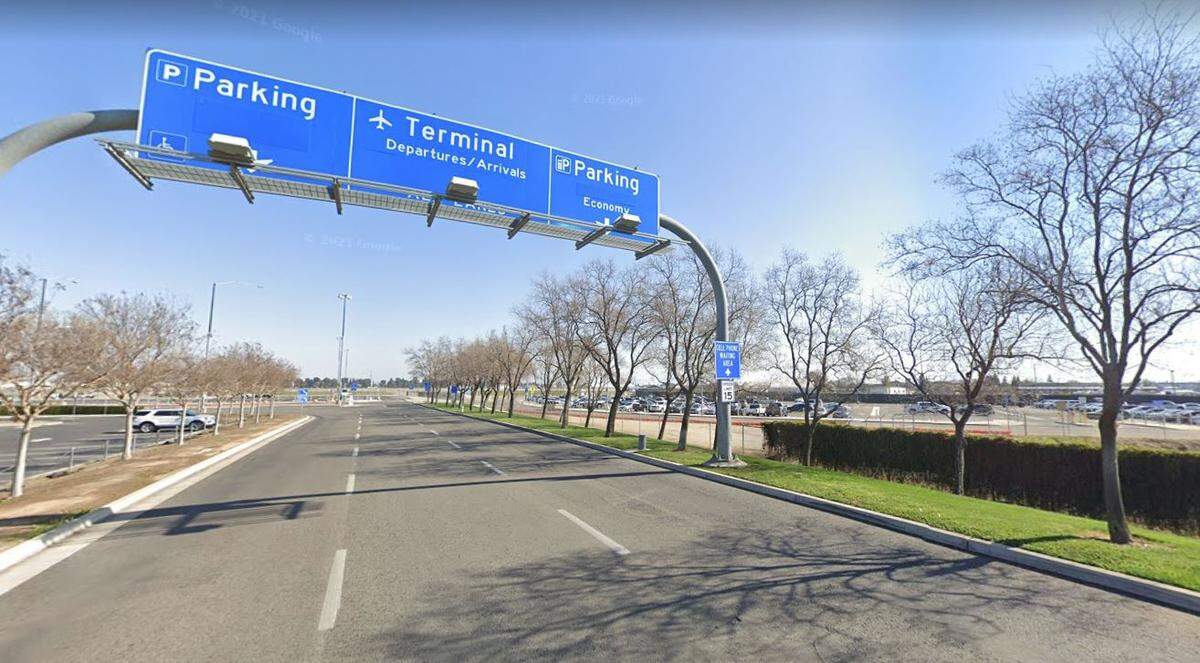
While the swim lesson fees stirred concern among council members, increases to what it will cost to park at Fresno Yosemite International Airport were approved with no discussion.
Rates for hourly or short-term parking and daily long-term parking in the airport’s main lot or in the parking structure are set to rise, as are the flat rates for the economy parking lot farther from the terminal building.
The updated fees kicking in on July 1 are:
- Up to 1 hour: Currently $3, rising to $4.
- 1 to 2 hours: Currently $6, rising to $8.
- 2 to 3 hours: Currently $9, rising to $12.
- 3 to 4 hours: Currently $12, rising to $16.
- 4 to 24 hours: Currently $15, rising to $17.
- Lost ticket charge: Currently $15 minimum, rising to $17 minimum.
- Economy lot: Currently flat rate of $10 per 24 hours, rising to $12.
Between its parking structure, the main parking lot and economy parking, Fresno Yosemite International Airport has about 3,600 parking stalls for passengers. There are also about 360 stalls for employees who work at the airport.
The airport has seen a growing number of passengers coming through its terminal in recent years, and this week announced that a record 2.6 million passengers were served — including both arrivals and departures — in 2024. That was an increase from 2.4 million passengers in 2023.
Money from parking has significant implications for the airport, which operates as a self-sufficient enterprise without support from the city of Fresno’s general fund budget. As the airport began to emerge in 2021 from the travel doldrums of the pandemic — and prior to the completion of a 917-stall parking structure — travel demand meant that the parking lots were often nearly or completely filled.
In the mid-2020s, revenue from parking at the airport reached what was then a milestone of $3 million per year. By mid-2022, parking fees generated about $10 million, which the airport uses to maintain facilities, cover debt repayment on construction, as well as other overhead costs.
Airport officials told The Bee they expect the increase to generate about $2 million in additional money per year – money that will help pay to plan, design and build a second parking structure at the airport to meet the increasing demand.
Stolen or damaged trash containers
The new fee schedule approved by the City Council also makes changes to the charges billed by the Public Utilities Department for residential trash containers.
Fresno has wheeled 96-gallon containers for recyclables and green waste, and two different sizes of trash containers, 64 gallons and 96 gallons.
To exchange an old container for a new one, the cost as of July 1 will rise from $35.28 up to $53.80. To exchange an old container for a new one, the price will rise from $86.23 to $104.30 for a 64-gallon bin, and from $100.60 up to $110.80 for a 96-gallon container.
There is no charge for replacing stolen containers or containers that are damaged by trash-collecting trucks.
This story was originally published January 22, 2025 at 12:40 PM.