‘Just move on to the next place.’ Homeless say Fresno’s anti-camping law makes life harder
For many people living on the street, Fresno’s new law that criminalizes camping and loitering is flawed and another hindrance on their already difficult lives that they don’t see as a solution.
Fresno police have made at least 224 arrests of people under what they call the “sit lie sleep camp: public place” ordinance adopted in September, which leaders have said was aimed at unhoused residents who would not agree to treatment or other services.
Arrest records show that police have largely targeted enforcement of the new law in downtown and busy corridors and commercial centers across the city, such as Blackstone Avenue and River Park. The new law gives officers the authority to arrest homeless people if they don’t comply with orders to leave the area or reject offers of treatment or shelter.
Homeless people interviewed by The Bee say the new law has made it harder to stay put in places where they might feel safer and increases their risk of losing their belongings if they get arrested. They also say the city’s ultimatum of jail time or accepting assistance is not a fair choice, as the city’s shelters are often at capacity.
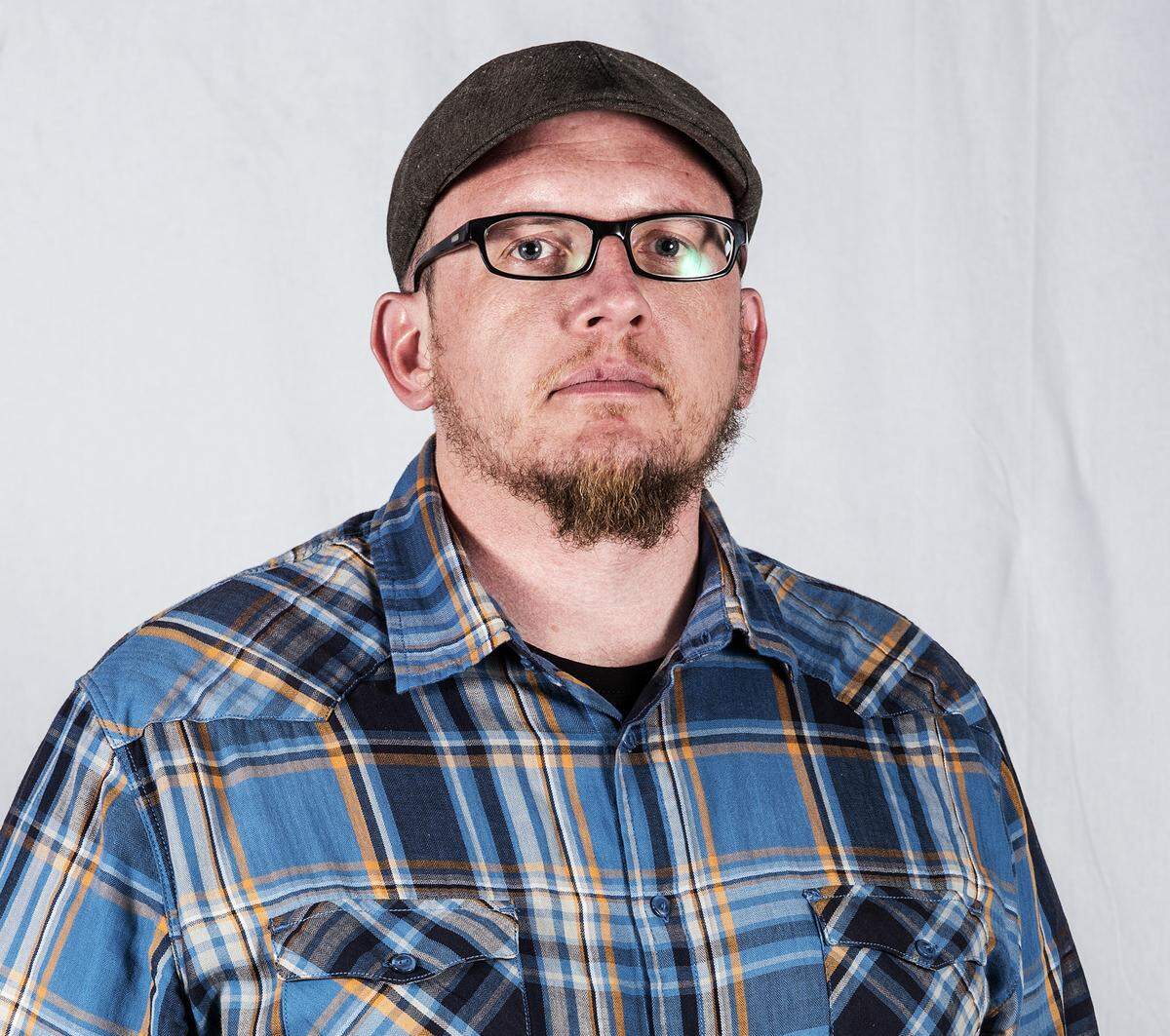
William Ferguson, who’s among the 1,800 or so unsheltered people living on city streets, said the reason why he got arrested without warning in October was because he declined drug treatment.
Ferguson, who was arrested outside of the Betty Rodriguez Library on Cedar and Shields avenues, said he didn’t have a drug problem and didn’t need treatment.
“I was out the same day,” the 51-year-old said.
Police records show Ferguson was arrested at 9 a.m. Oct. 9 under the new law, a misdemeanor. He was also in possession of a shopping cart away from a store, which is also illegal, according to Fresno police Sgt. Diana Trueba Vega.
She said Ferguson denied needing help from a drug program, so he was arrested. Police are not required to give any of the unhoused a warning under the anti-camping ordinance, she said. Police had received multiple complaints of encampments in that area.
Ferguson said he had a lawyer taking care of the case, and was mostly angry that his possessions were taken.
The Fresno City Attorney’s Office handles the prosecution of such arrests, and not the Fresno County District Attorney’s Office. City Attorney Andrew Janz said the case involving Ferguson was never filed with his office so he has not been charged.
Ferguson stood Dec. 10 with his 1-year-old pit bull terrier, Cocoa, and fellow unhoused man, Bryan Oakley. They had a lawn chair, some blankets and few other belongings nearby.
The two were in more or less the same place they were when Ferguson got arrested on Oct. 9, they said.
Oakley, 63, and Ferguson had similar stories. Oakley got divorced and Ferguson went through a breakup about six years ago and said they weren’t able to pay rent for themselves.
Oakley said he since qualified for $369 a month in Social Security. That would not cover rent and other expenses in Fresno, where the metro market average is $1,591 per month — more than $500 more than January 2020.
Oakley was with Ferguson the day he got arrested, but had stepped away from the noisy traffic to talk on the phone. He walked back to see Ferguson in handcuffs.
“They took our stuff and threw it away, right in the trash can. I stood there and watched them,” Oakley said. “Took our tent, my $100 heater, blankets, everything gone.”
“It makes you feel about this big,” he said, with his hand out as if he was holding an invisible frozen pea.
Ferguson and Oakley said they have tried to get into one of the city’s shelter beds but have never gotten past a wait list.
There are fewer than 1,000 year-round emergency shelter beds in Fresno, and they are almost always full, according to data from the U.S. Department of Housing & Urban Development.
The city has more than 3,200 unhoused people, which includes more than 1,800 who live unsheltered and on the street, according to the most recent tally from the Fresno-Madera Continuum of Care.
The anti-camping law has baffled the city’s unhoused community. Michael Lewis, 41, didn’t mince words about the “evil” new law.
“Bull----,” he said. “How you going to go to jail for being homeless? $1,000 fine? People got no money for that.”
Lewis said he had been homeless for about six months, and was frustrated by a wait list to get a bed in a shelter. He said he also didn’t feel secure in a shelter he had stayed in.
“You got 19 people sleeping in one room. They steal,” he said.
Originally from Stockton, he said he moved to Fresno to help his mother, but said they “weren’t getting along.” So, he found himself typically sleeping at Einstein Park in central Fresno. He was pushing a stroller piled with blankets and other belongings on a recent morning.
A woman living on the street in central Fresno, who declined to give her name, was sitting with a couple of others near a makeshift tent. She has tried to get into transitional housing but has struggled during her 18 months on the street.
“I went to do the motels down on Olive (Avenue) and (Highway) 99 and you have to call and or come back every day. I don’t have gas, I don’t have bus money to do that every day, you know. And, I don’t want to stay directly over there if I’m not into a place.”
The majority of the $35 million in Project Homekey funds Fresno received from the state was used to buy four motels along Motel Drive, a stretch of rundown motels on Parkway Drive along Highway 99 previously known for drug and sex trafficking.
She said she feels safer in a parking lot accompanied by people she knows. They get shooed away by police from time to time, and want to avoid attracting attention .
Picking where to spend days and nights depends on the businesses owners, the woman said. The owners of a thrift store she sat near can be impatient with the unhoused in their parking lots, so she tries not to stay their too long.
The nearby dentist’s office has not complained, so far, when they’ve slept in the parking lots overnight, so the woman planned to stay there for a few days. It was unclear how long she’d sleep there, exactly, but the woman knew it’d be a short stay if she drew attention from the office’s employees or police.
“I just move on to the next place, I guess,” she said.
This story was originally published December 22, 2024 at 11:00 AM.