Will a commercial kitchen rein in Fresno’s ‘Wild Wild West’ of street vending? What we know
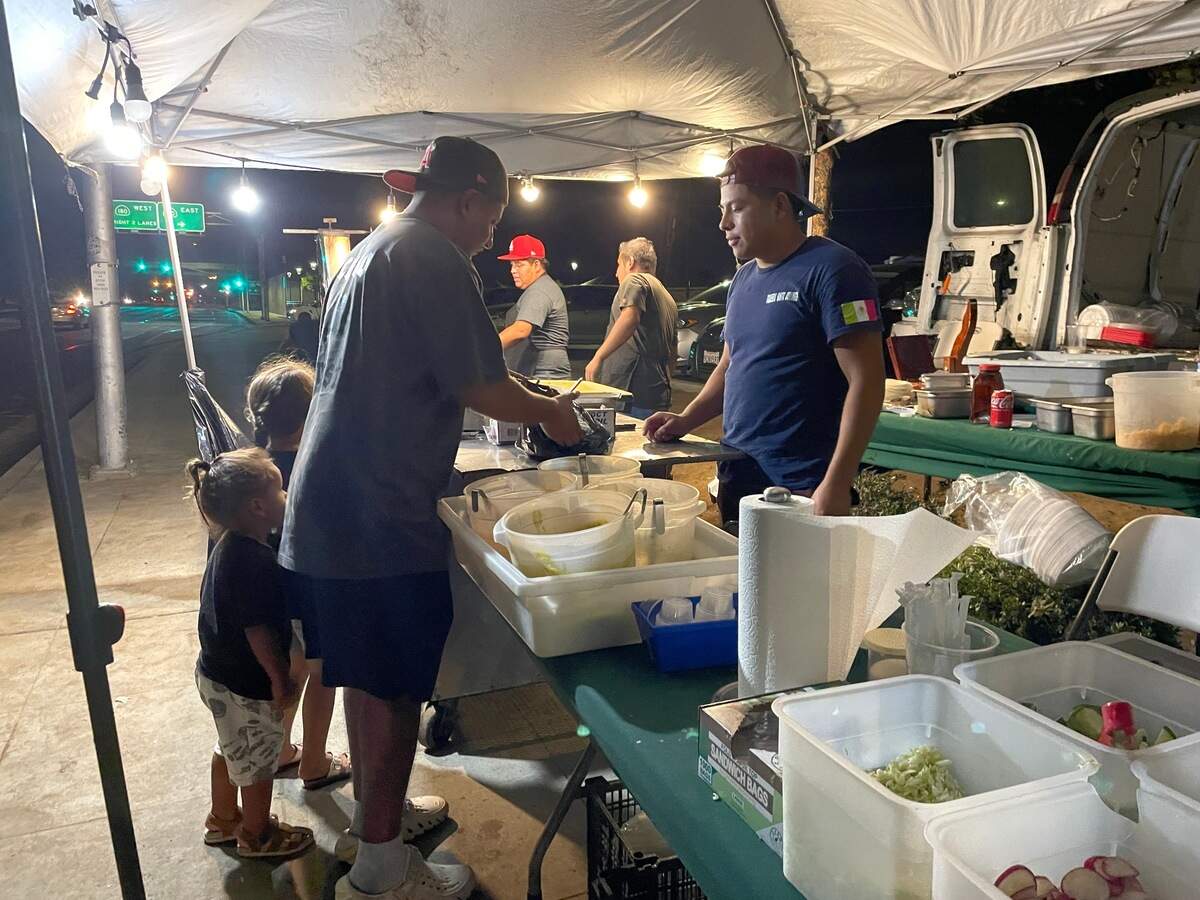
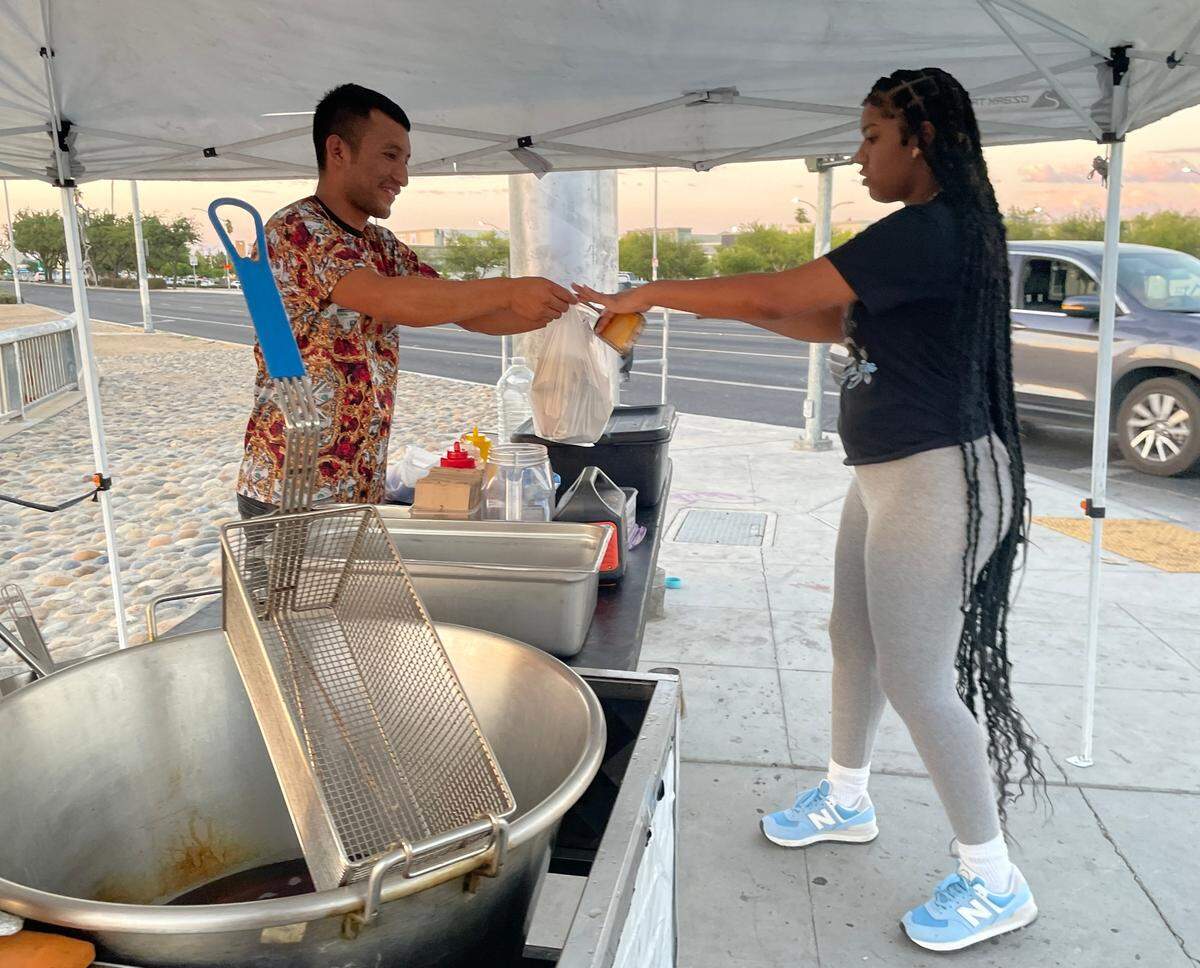
The Fresno area has seen a proliferation of mobile food vendors dotting its streets and intersections in recent years. And while more than 700 food vendors are properly licensed through the city and county, hundreds more are believed to be operating without any oversight.
So, city officials plan to invest $700,000 to build a commercial kitchen for mobile vendors that they hope will help boost food safety and licensure for the largely unregulated sector.
The funding is part of the Fresno City Council’s effort to overhaul the city’s relationship with mobile food vendors, improve security and encourage compliance with existing environmental health laws.
Councilmember Luis Chavez said Monday the number of mobile food vendors has “significantly increased” since the city has made a concerted effort to invest in these entrepreneurs.
“I believe it’s because the city of Fresno has sent a message that we welcome our food vendors in our community,” he said.
Councilmember Miguel Arias previously told The Bee that inflation, pandemic-related income loss and increasing acceptance of street vendors in Fresno driven in part by social media have also contributed to this uptick in mobile food vendors.
The duo have been vocal supporters of street vendors since the murder of Lorenzo Perez, a father of four who worked as a mobile food vendor, in southeast Fresno in 2021.
“One of our food vendors was sadly gunned down,” Chavez said. “But out of a tragedy, out of something that was so detrimental to our community, surged something that’s so inspirational.”
.jpg "IMG_7630 (2).jpg")
The funds will go to nonprofit group Cultiva La Salud, which is leading the commercial kitchen efforts. The organization also helps mobile vendors learn about proper food handling safety and connect with county health officials for licensing.
Veva Islas, founder and executive director of the nonprofit estimates there are 300 mobile vendors on carts or foot in Fresno. Islas is also a Fresno Unified School District trustee.
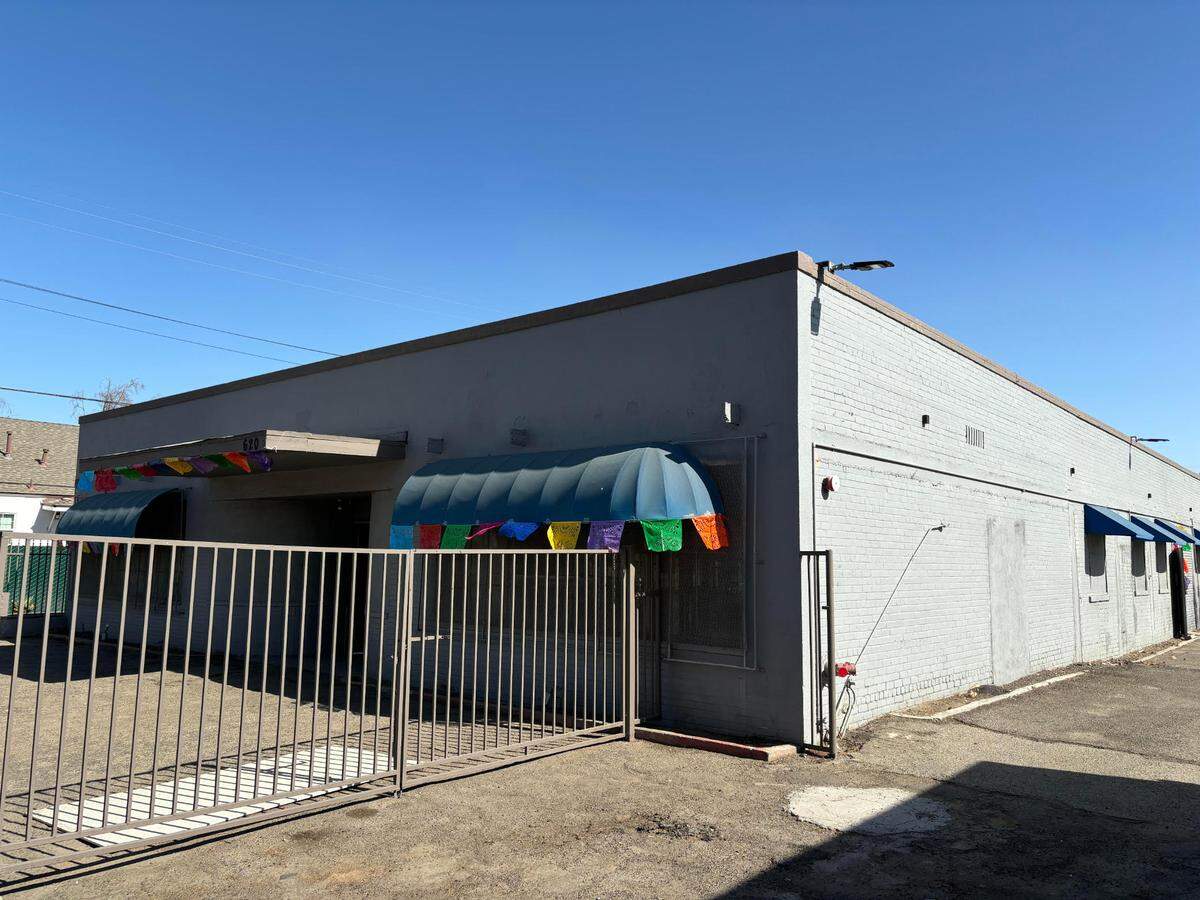
The nonprofit recently secured a 4,440 square-foot space on Fresno Street near Belmont Avenue in a building that will likely be demolished, Islas said.
Islas said the planned two-story commercial kitchen will be a hub where vendors can rent kitchen space at a subsidized rate to prepare goods, store their carts and learn about proper food handling. Islas said the space will also allow vendors to connect with city and county officials for inspections and licensing needs. She’s not yet sure when the kitchen will be operational.
Islas also wants to encourage vendors to include more fresh, local produce in their offerings. “Street food vendors can play a really powerful role in bringing healthy foods deeper into neighborhoods and in communities,“ she said.
It will cost about $3 million to renovate the kitchen, Islas said, and the organization is about $1.4 million short. The Kresge Foundation and F3 initiative led by the Central Valley Community Foundation are also supporting the commercial kitchen project operations.
The City Council had initially pledged $5 million to help fund a commercial kitchen in downtown Fresno in 2021. This budget was based on the estimated cost of the former H Street commercial warehouse near Chukchansi Park in downtown Fresno, Arias said. The building has since been demolished and will be used for housing, he said.
While the total planned amount is less, Arias said there could be more funding available in the future.
He called the $700,000 a “down payment” into the mobile food vendor community.
“I do believe there’s more money to be allocated towards this effort,” he said.
The fiscal year 2024-25 budget includes the allocated funding for the kitchen. The City Council is expected to approve the city’s funding allocation to Cultiva la Salud, Arias said.
More city regulation forthcoming
Next month, the city will introduce new plans to regulate street vending city wide, council members said Monday.
It’s not immediately clear what the regulations will entail, but Arias said they will build upon lessons learned from a 2023 pilot program that introduced fines, as well as limitations on times and locations for street vendors in Fresno’s Tower District area. These measures were implemented following an “uptick” of vendors that popped up in the late evenings, which generated complaints about garbage and grease dumped on the street.
“This (was) never intended to just be the Wild Wild West, to just have no rules and have no structure. Part of the value of setting up the official Mobile Food Vendor Association is to have these conversations,” Chavez said.
Council members consulted the street vendor association on the proposed policy. For example, the question of limiting pop-up canopy umbrellas was discussed, Arias said. But vendors pushed back, saying that shade is essential for vendors, particularly in the summer months.
The public can weigh in on the proposed policy at a workshop in the City Council Chambers on Wednesday at 9 a.m. or via Zoom. Feedback may also be shared at email District3@fresno.gov.
Street vendors surge in Fresno County post-COVID
The Fresno area experienced a spike in mobile food vendors after the pandemic.
As of Aug. 31, 2023, there were 716 permitted Mobile Food Vendors in Fresno County, a spokesperson for the Department of Public Health said in an email statement to The Bee. County data show that, as of August 2023, there had been a 29% increase in mobile food vendor applications since 2020.
Mike “Oz” Osegueda, founder of Fresno Street Eats and co-founder of the annual Taco Truck Throwdown competition, last year estimated there are two to three times the number of unlicensed vendors for every licensed vendor.
A new state law that simplifies the rules for street vendors to obtain health permits may have also unintentionally contributed to an increase in unauthorized vendors, according to Matthew Gore, an environmental health specialist with the Fresno County Department of Public Health.
Supporters of mobile food vendors say that the growing industry has the potential to add millions of dollars to public coffers because of the increased economic activity, job creation and greater tax collections.
This story was originally published October 28, 2024 at 7:01 PM.