Psychedelic mushroom summit in Fresno? Here’s what organizers say about coming event
Using magic mushrooms to help patients with mental health or substance abuse problems may not be far away, and a Fresno symposium looks to soon bring that conversation to the forefront.
The organizers of the Central California Psychedelic Summit say they believe the gathering focused on psilocybin and other psychedelics will be the first of its kind in Fresno.
It’s a sort of educational convention about the legitimate uses of psilocybin, what many people may know as “shrooms” or “magic mushrooms.” Psychedelics also include dimethyltryptamine (DMT), MDMA and mescaline, to name a few.
Two of the organizers of the summit — which is March 23-24 at the Tower Theatre — have ties to Fresno.
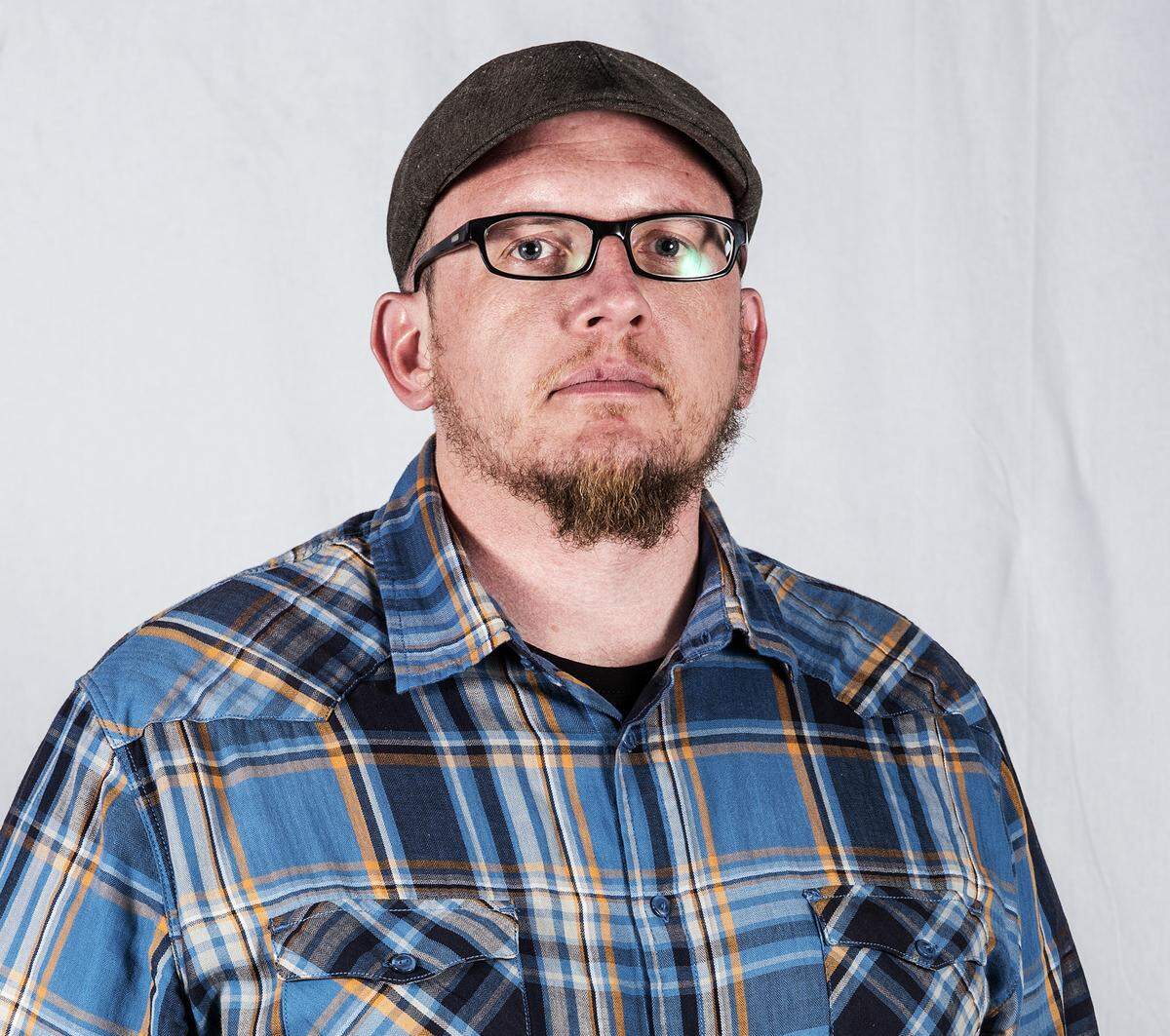
An attorney and Fresno State graduate, Ismail Ali said he’s been involved in recent years with the efforts to legalize psychedelics for medical and other uses. He’s also the director of policy for Multidisciplinary Association for Psychedelic Studies, a nonprofit.
“I really feel like the Valley would benefit a lot from an honest conversation about this,” he said. “I want to make sure that the information that folks are getting here is accurate, honest, based on evidence coming from experts and so on.”
The medical uses of psilocybin mushrooms
Proclaimed as a mind-bending drug in the 1960s, psychedelic mushrooms have been used in religious or spiritual practices in some cultures for centuries and maybe even thousands of years.
Some researchers say psilocybin and other drugs show promise in treating depression, anxiety and post-traumatic stress disorder. The Food and Drug Administration in 2018 designated psilocybin a “breakthrough therapy” and published draft guidance last year for researchers designing clinical trials for psychedelic drugs.
The U.S. Department of Veteran Affairs has expressed a desire to study its benefits, and medical professionals like those from the Johns Hopkins Center for Psychedelic and Consciousness Research have ongoing studies.
Colorado and Oregon have decriminalized possession, and some cities have passed similar laws in California, like Oakland and Berkeley. Other cities that have decriminalized or no longer prioritize enforcement around psychedelics include Seattle, Minneapolis, Portland, Maine; and Ann Arbor, Michigan; to name a few.
“There’s still a lot of things we don’t know, but we know enough to know that the initial sense of these drugs being this harmful, bad, horrible thing is definitely not true,” Ali said. “The question now is exactly what kind of benefits might there be and how are those brought forward responsibly?”
The summit organizers stress the event will not be a place to buy or sell psychedelics, but instead a chance to learn from professionals and health care providers, as well as a chance for those working in the sector to meet each other.
As psychedelics could become accepted to prescribe, it’s also important to educate people who work in the health industry in case they encounter someone who has consumed them, according to Keegan Davis, a Fresno Pacific University graduate and substance use disorder counselor.
“Now we have a place and comfort so that we can have conversations that maybe people were only having around a dinner table or in coffee shops, and it’s much more available,” Davis said. “And I think it’s a big coming out party for a lot of people, hopefully, that are scared to talk about stuff like this.”
Are “shrooms” legal?
Gov. Gavin Newsom last year vetoed legislation that would have decriminalized the possession and personal use of several plant-based hallucinogens, including psychedelic mushrooms.
In early February, two California lawmakers introduced a bill that would allow people 21 or older to consume psychedelic mushrooms under professional supervision.
Proponents of the bill anticipate it would take 18 to 24 months to implement the program if the bill becomes law, according to the Associated Press. The bill would also create an education program focused on harm reduction and the potential adverse effects of psychedelics.
Ali noted California appears to be headed toward allowing psychedelics though he said he doesn’t take it for granted.
“I do think that there’s increasing momentum. It’s a very bipartisan issue, ironically,” he said. “I know that might be hard to believe, but it’s shockingly bipartisan, both at the state and federal level and partially because of the kind of nexus of treating PTSD and mental health and suicide and so on.”
The Central California Psychedelic Summit’s doors open at 8:30 a.m. March 23 and 11 a.m. March 24 at the Tower Theatre, 815 E. Olive Ave. Beginning March 2, tickets are $95 for a single day or $175 for a weekend pass. For more, go to www.psychedeliccc.com.