
State to pump Kings River water into Fresno ponding basins. Here’s the reason for the move
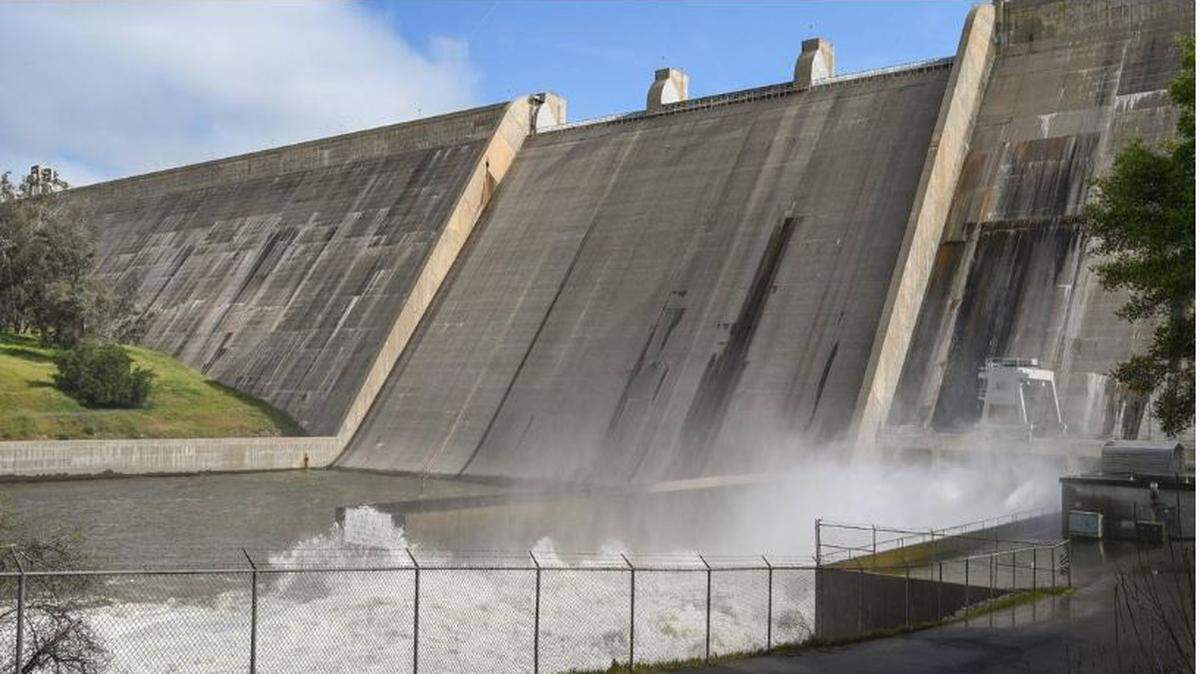
The state Department of Water Resources is providing pumps that the Fresno Irrigation District will use for two ponding basins to take in additional river runoff as the state’s record snowpack begins to melt at an accelerated rate this week.
The pumps, going in temporarily at Walnut and Annadale avenues and Belmont and Cornelia avenues, will link the basins with the irrigation district’s systems of canals in anticipation of high water levels on the Kings River in the coming weeks, said Adam Claes, assistant irrigation district manager.
Officials at the state Department of Water Resources disclosed the action during a Monday news conference outlining preparations the state is taking in the event of statewide flooding from the snow melt. Brian Ferguson of the Office of Emergency Services said officials were stressing coordination between counties to mitigate possible emergencies. The state is also:
- Mapping critical infrastructure, such as hospitals and water treatment facilities in impacted areas
- Tracking the snow melt
- Coordinating emergency responses
Climatologist Michael Anderson said the Fresno Irrigation District was the first local agency to take advantage of the plan to use pumps to take in excess river water, which will be used for groundwater recharge. Officials expect other cities to take advantage of the state’s assistance to put in pumps.
Bill Stretch, the district’s general manager, said that the Fresno-Clovis area itself was not in the path of high waters.
“We’re blessed geographically,” he said. “We’re not concerned about any flooding.”
In a system unique among San Joaquin Valley cities, the irrigation district’s network of canals is tied into storage basins operated by the Fresno Metropolitan Flood Control District. The flood control effort was developed in the 1950s to prevent widespread flooding in the city. Officials said there are 91 ponding basins in the metropolitan area.
“We identified a way to divert extra water to our canal system,” said Claes, who added that the basins would eventually be used for overflow water, but before the state pumping plan that would not have taken place until residential housing was built up nearby.