
Fresno City Council ends COVID-19 emergency order. What does it mean for evictions?
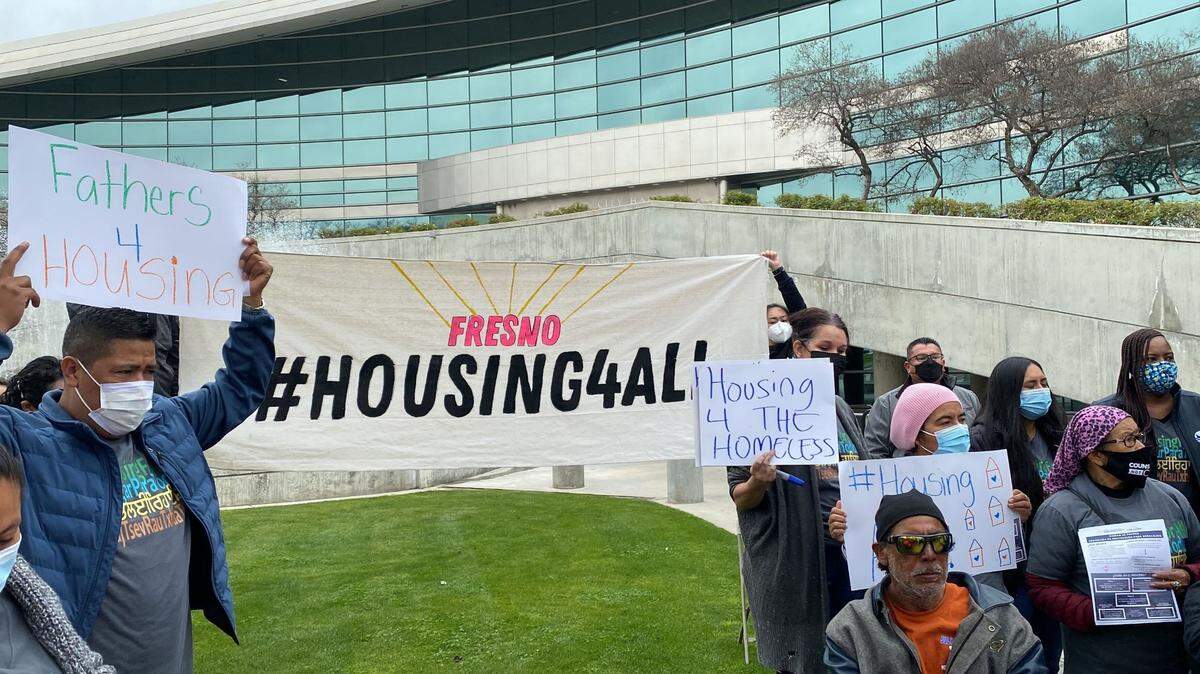
The Fresno City Council on Thursday voted unanimously to end the COVID-19 pandemic emergency order as the county sees an upward tick in cases.
Fresno, in March 2020, was one of the first California cities to declare a state of emergency and impose a shelter in place order. The end of the emergency order also ends the city’s eviction moratorium.
Renters who are behind on rent will continue to be served through the city’s Eviction Protection Program and Emergency Rental Assistance Program, city officials said. Those residents have until Feb. 1, 2023, to pay back-due rent and cannot be evicted until that date if they’ve properly notified landlords before this week.
So far, the city has spent about $39 million of the $54 million it received in ERAP funding, city officials said.
City employees will continue to screen and isolate if they have COVID, and certain special protocols for purchasing and procurement and public records request extensions will be lifted, Assistant City Manager Gregory Barfield said. Masks and face coverings will no longer be required inside City Hall.
The vote was 6-0, with Councilmember Mike Karbassi absent.
Despite the unanimous vote, many people in public commented that the pandemic is not over. Others also questioned how the eviction and renter protection programs would ramp down.
“What is it going to cost the city to have homeless families out there in the hottest part of the year?” Lisa Flores asked the council. “Because that’s what’s going to happen. You’re going to have people doubling up in homes that exceed the threshold of occupancy, or you’re going to have them out on the streets in the heat of summer.”
Greg Terzakis, senior vice president of the California Apartment Association, said the city of Fresno has been a leading example in how it distributed rental assistance funding, but questions remained moving forward.
“I’m kind of curious to see, as this conversation moves forward, how we come to some sort of closure,” Terzakis said. “Essentially, tell me how the story ends. …We want to work collaboratively with both the council and the tenant advocates to find a way that can unwind this thing in an equitable and orderly fashion.”
COVID-19 surge
The City Council’s decision comes as Fresno County is experiencing its highest rates of new cases since late February, as a vicious winter spike of cases was starting to tail off.
In its most recent case update Tuesday, the Fresno County Department of Public Health reported more than 1,400 new laboratory-confirmed COVID-19 infections and 2,009 over a seven-day period. Those cases represent an average of 287 cases each day over the course of the week, or a rate of 27.8 cases per 100,000 residents.
It’s the highest rate of new daily cases reported in Fresno County for any seven-day period since Feb. 28, when the rate was 38.8 per 100,000 residents. During the intervening In the intervening three-plus months, the rate bottomed out at 2.0 daily new cases per 100,000 residents in mid-March.
The raw number of new cases in Fresno County – most of which are concentrated in the city of Fresno – has also climbed with week-over-week increases for six consecutive weeks and, after Tuesday’s update, appears headed toward a seventh week.
The number of people hospitalized for confirmed and suspected coronavirus infections in Fresno County is also higher now than at any point since late March. As of Wednesday, the state Department of Public Health reported 105 people receiving inpatient care at hospitals across the county for confirmed COVID-19 cases and 25 more with suspected infections.
Those include 11 patients sick enough to require treatment in hospital intensive-care units.
The combined total of 130 confirmed and suspected patients is more than three times the number that hospitals were treating a month ago.