
California murder charge in connection to stillbirth dismissed. What they’re saying
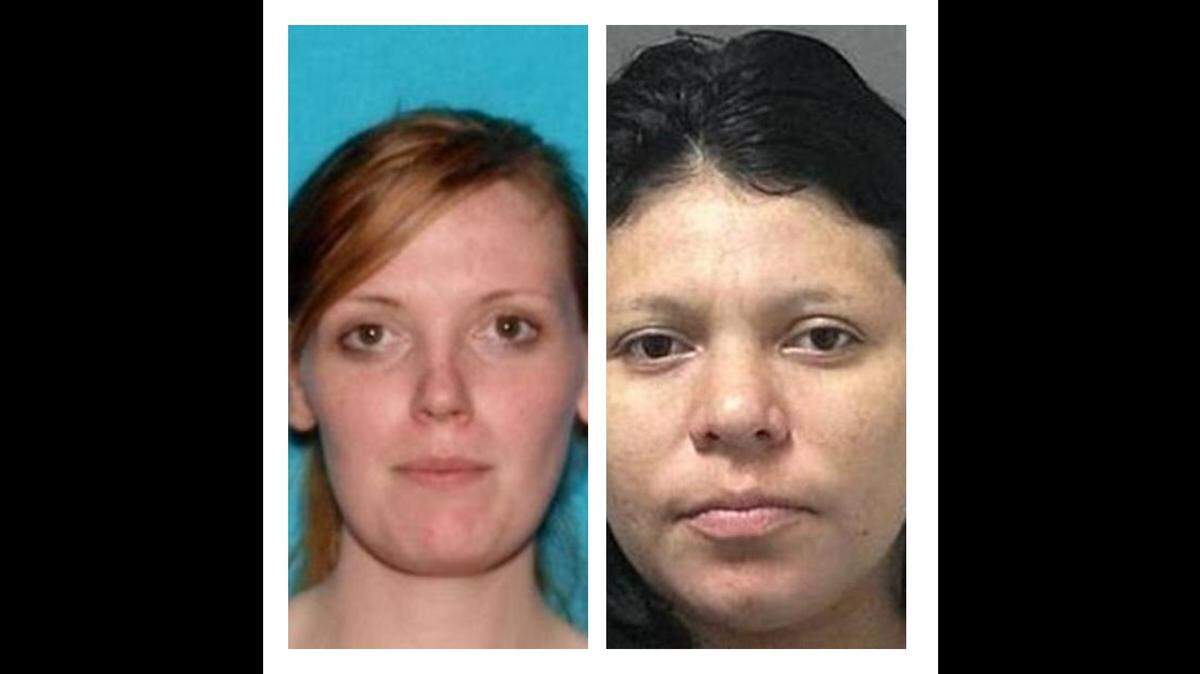
A central San Joaquin Valley woman on Monday had a murder charge against her in connection to a 2017 stillbirth dismissed by the Kings County District Attorney’s Office.
Adora Perez had served four years out of an 11-year sentence after entering a no-contest plea to voluntary manslaughter in 2018. She was initially charged with murder in late 2017, but that charge was dismissed when she entered the plea.
In January, California Attorney General Rob Bonta announced a first-of-its-kind legal alert designed to provide a “proper interpretation” of the state’s Penal Code 187. Pregnant women cannot be charged under the law for the loss of a pregnancy.
In March, Perez requested and was granted a motion to overturn her conviction and sentence under the 2018 plea. The voluntary manslaughter charge was for a “nonexistent crime of experiencing a pregnancy loss, which a California court found unconstitutional earlier this year, sending the case back to trial on murder charge,” according to a statement from National Advocates for Pregnant Women, Perez’s attorneys and the ACLU of Northern California.
The March ruling allowed Perez to be immediately moved from a California prison, where she was serving her plea sentence, to the Kings County jail. Her initial murder charge was reinstated so Perez could argue the charge in court.
Online court records show there was a pretrial conference scheduled for Monday. Philip Esbenshade, executive assistant district attorney in Kings County, didn’t return requests for comment on Monday afternoon.
“With reproductive rights under attack across the nation, the dismissal of the murder charge against Adora Perez is a victory for justice and the rule of law,” Bonta said in a Monday statement. “Suffering a miscarriage or a stillbirth can be deeply personal and traumatic. We owe it to all Californians to ensure the pain of loss is not compounded by violation of privacy and unjust prosecution. California law is clear: We do not criminalize people for the loss of a pregnancy.”
Bonta added that his office “will continue to stand up for the rights of pregnant people in California and beyond.”
Advocates and attorneys had argued women couldn’t be charged for murder in connection to a pregnancy loss.
“We are so happy for Ms. Perez that this unjust prosecution is finally over, but she should not have been charged in the first place, nor spent time in prison,” Samantha Lee, a staff attorney for NAPW, said in a Monday statement. “Ms. Perez spent four years in prison, separated from her family and children, after experiencing a stillbirth. She will finally be able to start to heal from these multiple traumas.”
Perez’s case is “just one example of how people’s behavior is inappropriately policed just because they are pregnant, a situation that will only get worse if the Supreme Court overturns Roe in June,” Lee said.
Chelsea Becker, whose case is identical to that of Perez, had her murder charges in connection to her pregnancy loss dismissed in May 2021. Both cases were in Kings County.
Assembly Bill 2223, introduced by Buffy Wicks this year, aims to ensure that “people are not investigated, prosecuted, or incarcerated for ending a pregnancy or experiencing a pregnancy loss,” according to a statement from NAPW, Perez’s attorneys and the ACLU of Northern California.
“The bill removes pathways to pregnancy criminalization, including mandated stillbirth reporting requirements, and gives people whose reproductive rights were violated by the government the power to seek legal recourse through a private right of action,” according to the statement.
Jenifer Chou, a staff attorney with the ACLU of Northern California, said her organization was overjoyed by Monday’s decision, but remained outraged “by the system that traumatized” Perez.
“Every step that led to her imprisonment was an injustice — from the hospital who reported her, to the District Attorney who brought murder charges for a stillbirth,” she said in the statement. “Existing California law already forbids criminally prosecuting pregnancy loss, which should have been enough. But with reproductive freedom under attack, we must ensure that what happened to Adora doesn’t happen again.”
From 2006 to 2020, pregnancy criminalization has tripled across the country with more than 1,300 cases, according to NAPW data.
.jpg)