
Fresno aims to improve trust with immigrant community. Liaison wants to be that ‘link’
This story is part of the Central Valley News Collaborative — a bilingual, community journalism project funded by the Central Valley Community Foundation and with technology and training support from Microsoft Corp. The collaboration includes The Fresno Bee, Valley Public Radio, Vida en el Valle, Radio Bilingüe and the Institute for Media & Public Trust at Fresno State.
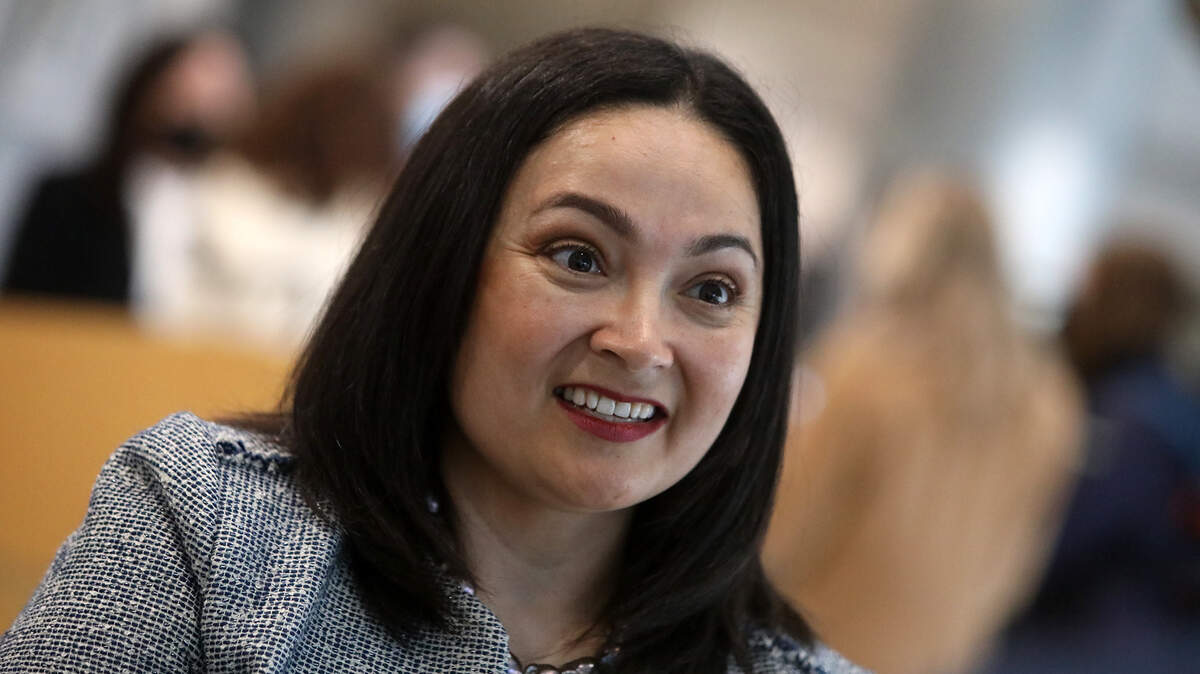
Alma Martinez knows firsthand the challenges immigrants face when they move to a new country. The Jalisco, Mexico native was three years old when she first arrived in the Merced County city of Los Baños, where her father worked in the fields for years to support a family of eight.
Her father has been one of the biggest influences in her life, instilling in her values she would carry with her to college, while pursuing a degree in journalism at Fresno State, and then throughout her career as a journalist and community advocate. She will continue to rely on his teachings as she takes on her newest role as one of three liaisons of immigrant affairs for Fresno’s Office of Community Affairs, which was created to foster more trust between the city and its immigrant community.
Her role is focused on helping Latino immigrants with U.S. citizenship and immigration support by connecting them to resources and making local government more accessible. The other two liasons are Sandra Lee, who previously worked for the Fresno County Department of Social Services and The Fresno Center; and Harjinder “JR” Saini, who has worked in transportation, including for Amazon, and serves his local Gurdwara Sahib every Sunday.
“My dad always reminded me that I am an immigrant, I am the daughter of an immigrant and whatever career path I chose, it had to be to serve my community,” Martinez said.
The Fresno Bee interviewed Martinez on Dec. 13 to learn more about her vision and goals for her new role. Here are four ways Martinez aims to serve the city’s immigrant community.
Linking Latino residents to city leaders
Martinez has deep roots in the Valley’s Latino community. She was formerly a journalist and host on Fresno-based station Radio Bilingüe. In her new role, she hopes to use the skills she learned as a journalist to engage with the community and bridge the gap between public officials and area residents.
“I think that what has been missing is a true effort to really have representation from the community themselves,” she said. “When you see somebody that understands your language, when somebody looks like you, when somebody comes from the same place that you come from or has the same experience as you, your level of trust increases.”
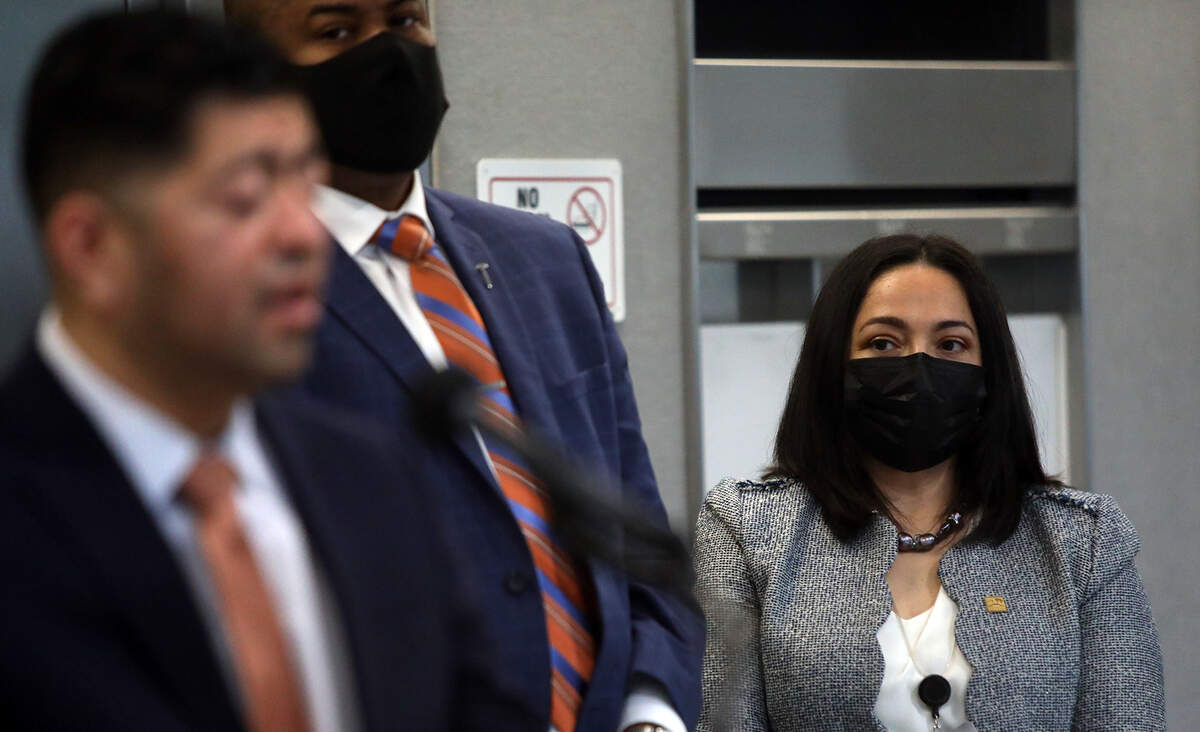
She said she is planning on conducting public surveys and holding community meetings to ask residents what concerns they may have about public safety, homelessness, housing, education, health care and more.
She’s also offering direct constituent services in English and Spanish. That means she will be the intermediary between the local community based organizations and residents who may not know how to access those resources themselves.
”There’s a lot of resources out there right now and yet I feel that that’s one thing that our communities don’t always know about,” she said. “I want to be that link.”
Raising immigrants’ awareness about notarios públicos
Martinez said Fresno is stepping up its efforts to connect undocumented community members with nonprofit organizations that provide low-cost or free immigration services.
While the exact number of undocumented residents in Fresno is not known, the Migration Policy Institute estimates there were about 77,000 known undocumented immigrants living in Fresno County as of 2019.
She also plans on raising awareness about immigration consultants who pass as notarios públicos.
Unaccredited or unlicensed consultants often use the term notario to their advantage, misrepresenting what they are qualified to do and charging people large sums of money for services they are not legally trained to perform. She said many immigrants are afraid to report notario fraud because of their immigration status.
She hopes to conduct training sessions for service providers on how to best help the community identify fraud. She will also launch a public education campaign and hold community meetings and workshops to share correct information about how to prevent getting scammed.
“It happens in our communities all the time and it doesn’t get reported,” she said. “We have to alert our community that this is a widespread problem — that’s going to be one of the biggest issues that we’re going to be dealing with.”
Providing ‘direct outreach’ to Fresno’s farmworkers
Being from a farmworker family, Martinez said one of her long-standing priorities is to address the needs of Fresno’s agricultural workforce.
She has partnered with researchers who are identifying strategies to improve vaccination rates in majority farmworker communities. She will continue working with them to assess how to help connect farmworkers to vaccines, emergency relief funds and other crucial COVID-19 resources, she said.
In addition, she hopes to identify other concerns within the agricultural community, such as health and safety issues while working, wage theft, workplace protections and health care access.
“There are so many issues when it comes to farmworkers,” Martinez said. “It’s hard to say what those exact needs are but I have a heart for these communities and we’re doing direct outreach.”
Assessing families’ technology, infrastructure needs
Many immigrant and low-income families continue to face barriers to providing their children with reliable Internet access and technology resources, Martinez said. Those challenges were only exacerbated by the COVID-19 pandemic as students had to participate in their classes virtually, further raising the stakes for those who were at risk of falling behind in school.
Martinez hopes to provide community members with access to vital technology resources such as smartphones, tablets and computers, as well as reliable Wi-Fi and internet access. Even as children return to the classroom, she said distance learning and many of these tools will continue to be used in future instruction.
“Unfortunately, our communities are not where they need to be when it comes to understanding digital connections and literacy,” she said. “The biggest thing that COVID taught us is that a lot of these things are going to go online and I don’t think it’s going to go back.”
Many families are also not familiar with using technological devices or don’t have broadband access or infrastructure in their communities. She’s hoping to identify where the need is greatest to help close the digital divide. It’s important to help families get better online access to prevent further learning loss among immigrant and first-generation students, she added.
“How can we help folks? It’s not only the technology, it’s also the infrastructure,” she said. “What would help them get online, are there areas and are unable to connect? That’s what my biggest goal is — to assess what those needs are.”
If you want to speak with Martinez, you can reach her at alma.martinez@fresno.gov or 559-621-7923.