
California state parks director to Latinos: ‘These are their parks and they are welcome’
This story is part of the Central Valley News Collaborative — a bilingual, community journalism project funded by the Central Valley Community Foundation and with technology and training support from Microsoft Corp. The collaboration includes The Fresno Bee, Valley Public Radio, Vida en el Valle, Radio Bilingüe and the Institute for Media & Public Trust at Fresno State.
For Armando Quintero, director of the California Department of Parks and Recreation, reducing barriers to park access is a huge priority. Many groups — including Latinos — have traditionally had a harder time getting into nature due to transportation issues, cost barriers and systemic racism, he says.
Quintero, who was named director in August 2020, has a vision for how to create equitable access for all people to state parks. The Bee in October interviewed Quintero about his new role, his future goals for the department and how he plans on addressing the climate crisis, which has exacerbated California’s drought, intensified fires and extreme weather patterns and disproportionately hit communities of color.
As director, he oversees operations at 280 park units across the Golden State. Previously, he served as executive director of the Sierra Nevada Research Institute at the University of California, Merced, and held multiple positions at the National Park Service, where he developed a deep understanding of park operations and outdoor education.
Here are the key takeaways from The Bee’s conversation. This interview was edited for length and clarity.
Q: How are you involving Latino communities in efforts to address climate change?
A: We are seeing catastrophic fires throughout California and one of the things that we have not done as a nation is manage forests for climate resiliency. We received $15 million this year to hire seven foresters to help us do the planning for forest management. These funds would also help us make an initial purchase of the kinds of equipment that we need to go out and manage forests.
California State Parks manages 300 miles of California’s beaches. One of the threats of climate change is sea level rise. We’ve come up with a published plan that has 23 principles that looks ahead toward the impacts of sea level rise and investing in the restoration of salt marshes. The salt marshes along the coast end up acting like shock absorbers.
Particularly in urban areas, the other threat that we are experiencing as a state are these heat events. We’re looking at ways of helping to direct people to parks, where they can get into shade and in cooler areas where there’s water. One of the budget items that the Legislature gave to state parks is $154 million to develop an urban rivers program in California.
For me growing up, I didn’t know about all these park areas and that I could go to them. I really want families to know that these are their parks and they are welcome. When I think about these urban investments that have been made, I see them as a window into what is possible.
Q: How will you ensure all Californians have access to nature in state parks?
A: We actually got three pilot programs funded by the legislature this year that speak exactly to this. These three programs, they’re a beginning and now my preference is to look for policy changes in the department that will serve underserved communities.
The three passes include:
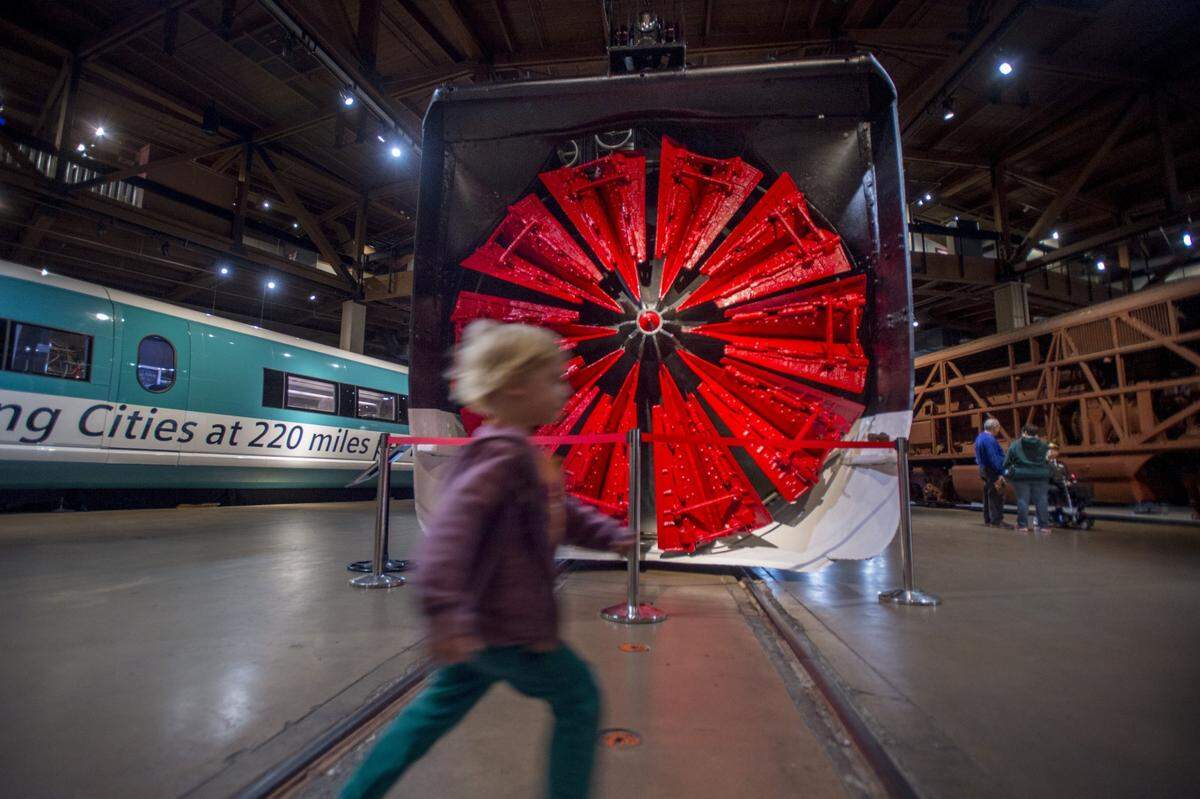
California State Park Adventure Pass: The pass provides free entry for fourth graders and their families at 19 state parks throughout the state. Many of the parks are located near urban areas, including the California State Railroad Museum in Sacramento and Millerton State Recreation Area near Fresno.
Golden Bear Pass: The pass provides free access to all state parks to any qualifying person receiving Supplemental Security Income or aid through the CalWorks program, and any person 62 years of age or older with income limitations, through a new partnership with the state Department of Social Services.
State Library Parks Pass: Kids can check out these free passes to select parks at their local library branches.
I know that if I had had something like that, I would have gone to [my parents] and said, ‘mírame, you got to take us here.’ So in a way, this is empowering children to get out.
Q: What must California do to ensure Central Valley residents and agriculture have water amid the drought and climate change?
A: The drought this year, for the last two years really, is so severe that we have actually seen wells dry up in state parks. We really need to expand and increase our groundwater storage capability. What we’ve done during heavy rain periods is we’ve diverted water out of the valley to prevent floods, and just shut it out to the Delta and out to the ocean. Groundwater needs to be a longer-term solution. Rather than moving water out of the valley and into the Delta and into the ocean during flood periods, we need to really be looking at how we can restore and support groundwater recharge. We need to move floodwaters out into an area in the valley and then where it’s soaked down into the ground and into groundwater basins.
For the health of all people in California, and honestly for the health of all natural systems and for ag systems, a healthy groundwater world for us would have easily carried us through what we’re experiencing right now.
This story was originally published November 6, 2021 at 8:00 AM.