Fresno County judge rules against air district over exemptions for Valley refineries
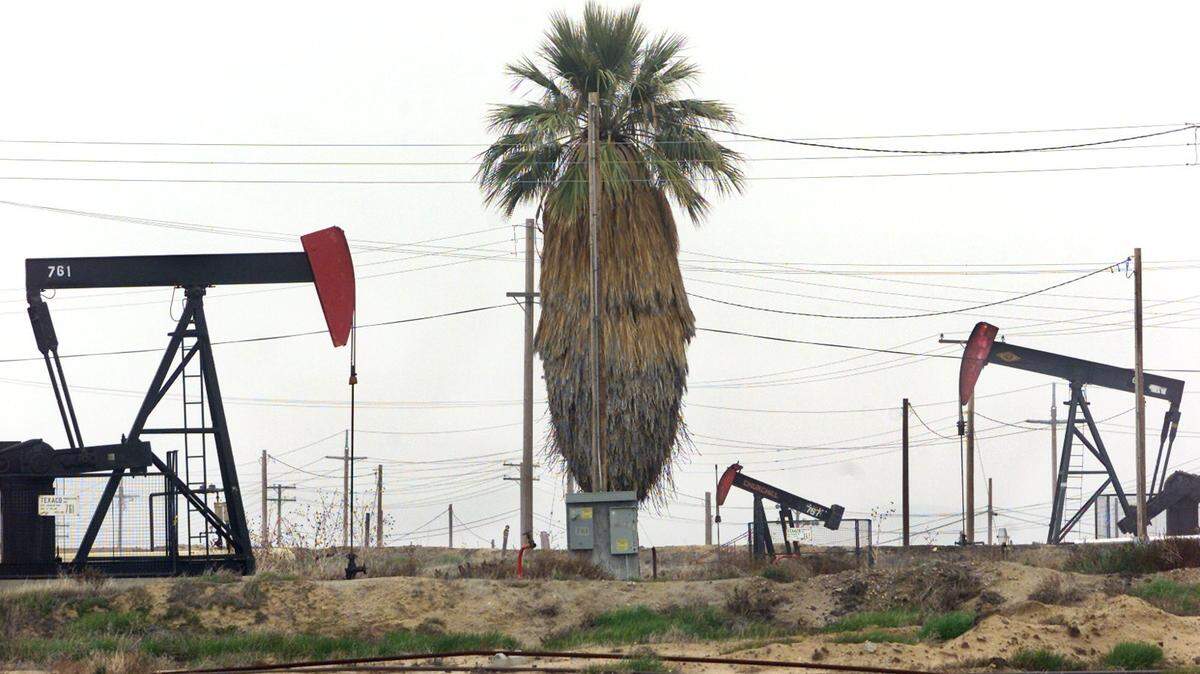
Environmentalists and the California Attorney General are praising a recent Fresno County Superior Court ruling that will force the San Joaquin Valley Air Pollution Control District to no longer exempt several oil refineries from air monitoring requirements.
The environmental groups sued the air pollution control district for failing to monitor the air quality in communities with oil refineries. Those areas often include communities whose residents are low-income and belonging to communities of color.
Although the California Legislature created an air quality monitoring law for refineries in 2017, the air district adopted its own regulations in 2019 that exempted all four of the Kern County refineries in its jurisdiction from the air monitoring requirements, according to a news release from the state Office of the Attorney General.
Fresno Superior Court Judge Mark E. Cullers agreed with the petitioners. In his Sept. 17 decision, Cullers found that the air district regulations were unlawful. He ordered it to adopt new regulations that do not carve illegal and arbitrary exemptions for the refineries in its coverage area.
Jaime Holt, chief communications officer with the air district, said the district already operates a stringent regulatory and enforcement program on refineries and other industrial sources. She added that the district’s refinery monitoring rule was developed through an extensive public process, including working with State Air Resources Board staff during rule development.
“The court’s ruling essentially requires the District to prepare additional technical supporting information and update the regulation as needed to address the court’s ruling, including imposing fence-line air monitoring for facilities not currently engaged in crude oil refining activities,” Holt said.
“There were also a number of additional arguments raised by Petitioners upon which the District largely prevailed. Implementing the new state-mandated requirements is an extremely technical issue, and we appreciate the Court’s efforts at clarifying the requirements of the statute.”
Jose Mireles, president of Comité Progreso de Lamont, one of the lawsuit’s petitioners, said the ruling is a victory for all residents in California.
“But particularly for residents in communities like mine who live on the fenceline of refineries. We will now receive real-time information on refinery emissions,” Mireles said in a news release from the San Francisco-based Earthjustice.
Earthjustice Staff Attorney Oscar Espino-Padron said the ruling confirms that the Legislature intended for all petroleum refineries to comply with fenceline and community air monitoring requirements enacted in 2017 under AB 1647.
“This state law aimed to provide the public with real-time information about refinery emissions crossing the fenceline and entering surrounding communities,” Espino-Padron said.
“Implementing these air monitoring requirements will assist in identifying sources of pollution, opportunities to mitigate emissions, and when pollution becomes hazardous for surrounding communities. Valley Air’s exemptions are not only unlawful, they’re also dangerous and undermine the agency’s public health and safety mission.”
California Attorney General Rob Bonta, who was an intervenor in the lawsuit, said decades of discriminatory land use practices have concentrated heavy industries — including petroleum refineries — near low-income communities and communities of color. The San Joaquin Valley is no exception, he said in a statement.
The Californians that reside within a 1-mile radius of each of the district’s petroleum refineries suffer from adverse health conditions far in excess of other communities in the state — including respiratory and cardiovascular diseases and babies born with low birth weights.
As a result, air quality monitoring is vital to the residents who are surrounding refineries in the San Joaquin Valley, Bonta said in a statement.
“For far too long, San Joaquin Valley has been home to some of the worst air pollution in the nation, and its residents have suffered the resulting health consequences,” said Bonta. “At the bare minimum, these communities have the right to information on the air they breathe. It’s a matter of transparency — and it’s the law. Today’s decision by the Superior Court will ensure that San Joaquin Valley refineries comply with critical air monitoring requirements.”
Fresnoland reporter Monica Vaughan contributed to this report.
This story was originally published September 22, 2021 at 5:46 PM.