Amid drought, California cuts Fresno and Valley farmers off from main river water sources
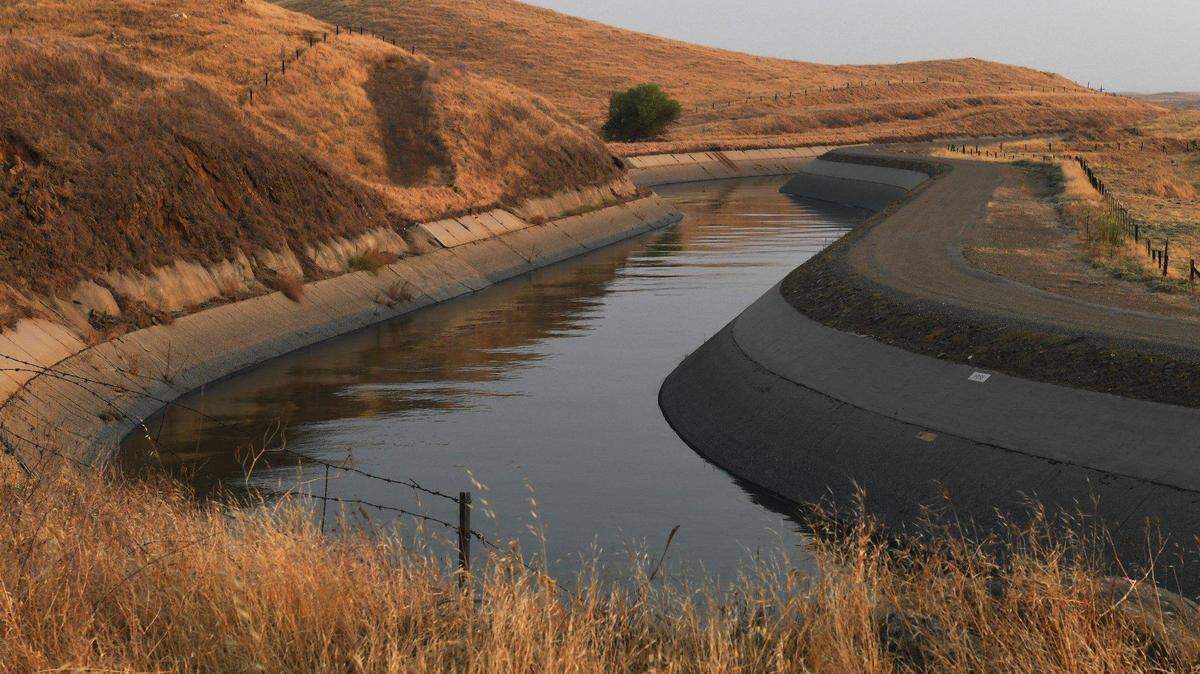
State regulators cut off Fresno and central San Joaquin Valley farmers from their main irrigation supplies Tuesday, banning them from drawing water from the California’s main rivers and streams as the drought worsens.
The State Water Resources Control Board heard hours of debate before unanimously voting to impose an “emergency curtailment” order covering the rivers of the Sacramento-San Joaquin Delta watershed — essentially the entire Central Valley.
It’s the most dramatic step taken to date by state regulators since the drought was officially declared in most of California’s counties, and it surpasses any of the moves made during the previous drought.
“This is a terrible situation that we’re all in,” said board member Sean Maguire.
The board decision is the latest blow to California agriculture and the state’s $50 billion-a-year farm economy. Already, most of the farmers who rely on the State Water Project or the federal government’s Central Valley Project have had their allocations slashed to nothing or nearly nothing. The state board’s order affects those with direct legal rights to divert water from the rivers.
The drought year sets Fresno-area farmers up for difficult decisions on fallowing land.
Joe Del Bosque’s farmland straddles Merced and Fresno counties. He said recently the drought this year means he had to fallow a 100-acre asparagus field worth “hundreds of thousands of dollars” and he’s looking at how much he’ll have to cut back on melon fields.
“If you look at California, it’s been 50 years since we’ve built new water storage. That’s too long,” he said. “It’s very daunting.”
The board said it needed to curtail farmers’ usage to preserve river flows for drinking water as well as endangered fish species. “Adoption of an emergency regulation is necessary to address the immediate and dire water shortages in the Delta watershed,” the order says.
Some farm groups, while not contesting the decision, said the order underscores the desperate need for more reservoirs and dams to store water.
The state board imposed emergency curtailment orders on limited groups of farmers in 2014 and 2015, but never on such a broad scale as it did Tuesday. The new order is expected to take effect in about two weeks.
Assemblymember Adam Gray, D-Merced, denounced the idea before the vote in a letter to the board.
“In no other industry would the destruction of billions of dollars in economic productivity and thousands of jobs by a state regulator be tolerated,” Gray wrote in his letter. “The Board must stop acting as a political entity, intent on promoting the anti-agriculture, anti-growth mentality of special interests, and instead prioritize its limited function as a regulator.”
The vote came a day after board issued a separate order forbidding anyone from pulling water from the Upper Russian River, “except as needed to ensure human health and safety.”
The California Farm Water Coalition said the state’s dire water situation only highlights the lack of planning in wetter years.
“California’s climate is now punctuated by wetter wet years and drier dry ones,” the coalition said in a statement. “We’ve known for years that we need to increase our ability to capture water during the wet years so it is available when dry years return, as well as increase recycling, fix our aging infrastructure and provide for habitat restoration.”
Some small farmers said they worried curtailing drawing any water from rivers would end with dried up ponds usually used to water cattle, like those owned by Ken Perano, whose ranch is in the foothills.
“To have to cease (water) diversion means we’d have to cease our cattle operation, which is something our family has done for 50 years,” he said.
Water board staffers stressed there are carve outs in the curtailment that should protect smaller water users and places where the water is used for drinking.
A Lodi-based attorney for several Valley farmers, Jennifer Spaletta said the hardest part for farmers and ranchers is the precarious water season each year waiting to hear what the board will decide.
“We need to have more certainty,” she said.
The Sacramento Bee contributed to this report.
This story was originally published August 3, 2021 at 6:07 PM.