While California’s population dropped, more people came to Fresno. Here’s the data
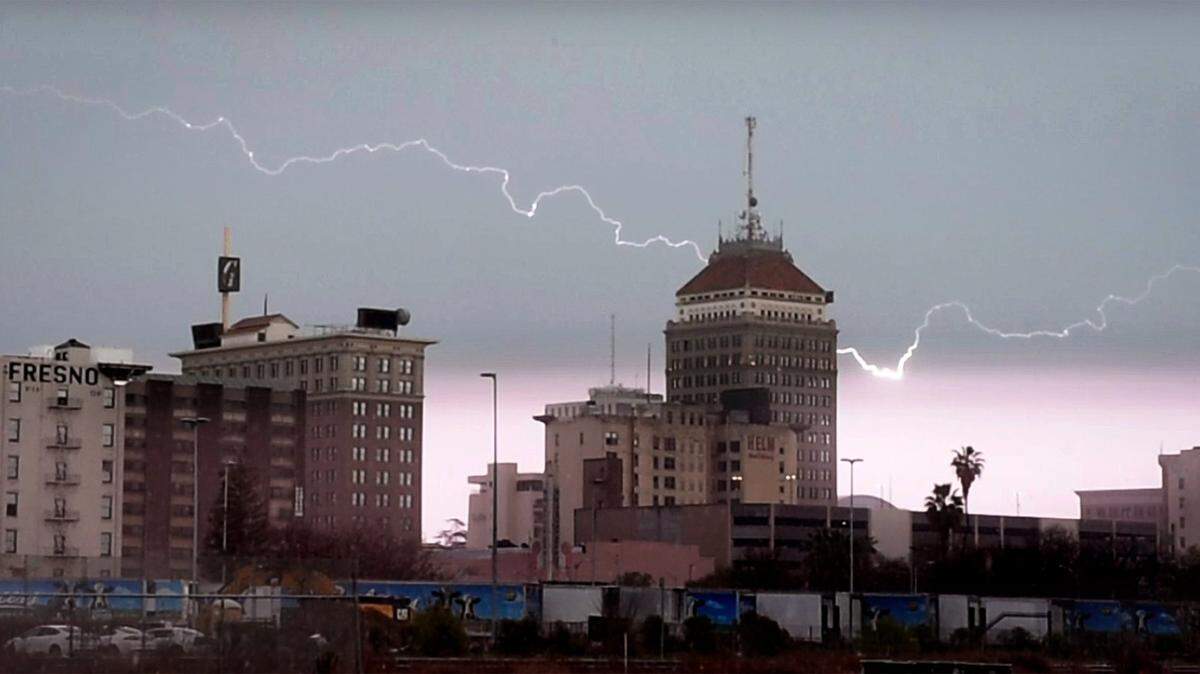
Fresno stood alone among the five largest cities in California last year as the only one to see its population grow from 2020 to 2021.
The California Department of Finance estimated Friday that the number of people living in the city of Fresno increased from 543,769 at the beginning of 2020 to 546,770 as of Jan. 1, 2021.
The increase of 3,319 people isn’t much – just six-tenths of a percent – but it’s more than Fresno’s bigger city brethren:
- Los Angeles: A loss of 1.3%, or nearly 52,000 residents to 3,923,341.
- San Diego: A loss of 0.7% or more than 10,400 residents to 1,411,034.
- San Jose: A loss of 1.1%, or almost 11,700 residents to 1,029,782.
- San Francisco: A loss of 1.7%, or almost 14,800 residents to 875,010.
California as a whole, according to the new estimates, shrank by about half a percent, or just over 182,000 people to 39,466,855.
Of 482 incorporated cities in California, 171 experienced population growth last year, while the rest either experienced no change or saw their populations contract.
Fresno County as a whole gained almost 6,400 residents last year. In addition to Fresno’s gains, the neighboring city of Clovis added almost 3,100 people to its population – enough to rank seventh among the 10 fastest growing cities in the state with populations higher than 30,000.
Coalinga was the only incorporated city in Fresno County to see a population decline, losing 429 residents, or about 2.5%, for an estimated total of 16,748 residents as of Jan. 1.
The new estimates by the state also include the amount of housing available in each of the cities and counties.
In Fresno, the total number of all housing units – single family homes, duplexes, condos, apartments, mobile homes and others – has increased every year since 2010. The number of units as of January 2021 was estimated by the state demographers at 183,334, about 1,350 more than a year earlier, and more than 12,000 higher than in 2010.
Over the same span from 2010 to 2021, the vacancy rates have fallen by nearly two full percentage points – an indicator of growing demand for houses and apartments in the city. The rate was estimated at 7.6% in 2010, and by 2019 had dipped to 5.8% and remained there in 2020 and 2021 despite growth in the housing stock.
This story was originally published May 7, 2021 at 11:40 AM.