
Johnson & Johnson’s COVID-19 vaccine is back. Will Fresno-area farmworkers take it?
This story is part of the Central Valley News Collaborative — a bilingual, community journalism project funded by the Central Valley Community Foundation and with technology and training support from Microsoft Corp. The collaboration includes The Fresno Bee, Valley Public Radio, Vida en el Valle, Radio Bilingüe and the Institute for Media & Public Trust at Fresno State.
Fresno County farmworker Juana Fonseca, a 35-year-old mother of four, didn’t hesitate to get vaccinated against COVID-19.
The virus took a heavy toll on her family, killing five of her close relatives within the span of six months. Motivated by a fear of suffering a similar fate, she and most of her relatives have since gotten the shot.
But convincing others in her family to get vaccinated has only become more complicated in recent weeks.
“I didn’t think twice about getting the vaccine — I had to do it to protect my family,” Fonseca said in Spanish. “But I have relatives who are still afraid and even more so because of the Johnson & Johnson vaccine.”
COVID-19 has devastated Latino families like Fonseca’s across the Central Valley, but many still say they are hesitant about getting vaccinated. They are worried it isn’t safe or that they’ll experience side effects. Those fears were magnified last month, when federal health officials paused the use of the Johnson & Johnson vaccine, citing a rare-blood clotting disorder that six recipients experienced.
Federal health officials lifted the pause on the vaccine April 23 and California has begun administering the vaccine again, with a warning label that the blood-clotting disorder is rare. But many community advocates now worry the 11-day pause may have stymied their effort to vaccinate California’s rural farmworker communities.
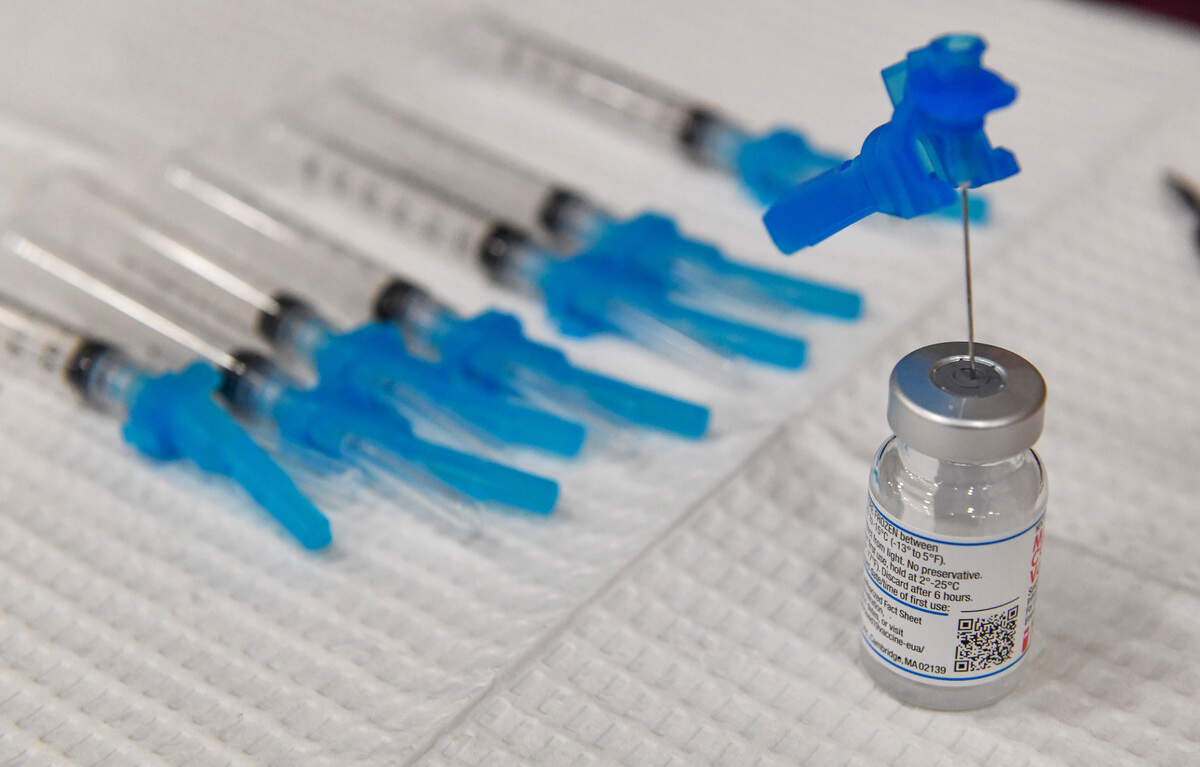
Medical experts and community advocates had been hopeful the Johnson & Johnson shot would help them vaccinate farmworker communities more efficiently. In contrast to the Pfizer and Moderna vaccines, which must be stored at freezing cold temperatures and require two doses, the Johnson & Johnson vaccine is easier to transport to remote areas, as it requires just one dose and has a longer shelf life.
In the hopes of shoring up confidence in the Johnson & Johnson vaccine, advocates are now pivoting their outreach efforts to underscore that the vaccine pause occurred as a precautionary measure.
“We believe that it’s important to emphasize the fact that the federal government is being mindful of any risks that may be out there and are closely watching to make sure that people are safe,” said Diana Tellefson-Torres, vice president and executive director of the UFW Foundation. “It was a good thing that they paused it because they were going to analyze it and make sure that no one was put at risk.”
Vaccine pause made “education more challenging”
Though the Johnson & Johnson pause has made “education more challenging,” Tellefson-Torres said, organizers have been stressing that all three authorized vaccines prevent severe complications, hospitalization and death from COVID-19. The foundation has also been helping farmworkers register for vaccine events and providing bilingual resources.
It’s all part of a continued effort to ensure that farmworkers, who are predominantly Latino and considered essential, are being protected from another fatal wave of infections in their communities, she said.
“We certainly think that the J&J vaccine pause — for those who already were not confident about the vaccine — had only exacerbated their concerns,” she said. “That said, our continued work is to ensure that farmworkers and community members continue to receive the correct information, so that they could ultimately make their own decisions about the vaccine.”
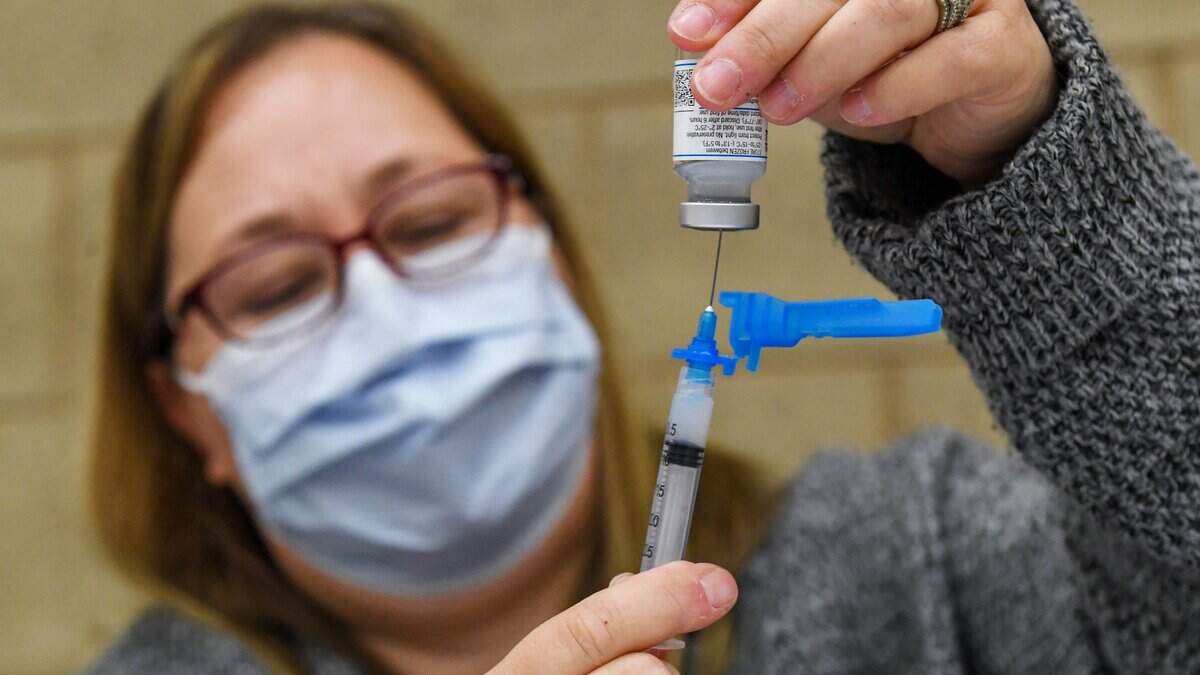
Nationwide, fewer than half of Americans believe the Johnson & Johnson vaccine is safe, according to a poll released Monday by ABC News and The Washington Post. Among the 1,007 participants surveyed who hadn’t been vaccinated, just 27% said they’d be willing to take the vaccine now that the pause has been lifted.
About a quarter of unvaccinated adults said the halt in the Johnson & Johsnon vaccine distribution made them less inclined to get vaccinated, the poll concluded.
Dr. Efrain Talamantes, chief operating officer at AltaMed Health Services, the nation’s largest community health center, said transparency is important to earning the public’s trust. The vaccines were authorized under an Emergency Use Authoritzation, he said, with “the understanding that there could be pauses on vaccines for any slight concern.”
“The pause was not only the right thing to do, but it shows that there’s transparency among our institutions to make sure that these vaccines are safe,” he said. “Hopefully the community has enough trust in the process and that they’re willing to get the Johnson & Johnson shot now that it’s been resumed.”
Farmworker: Getting vaccinated is important
For farmworkers and their families, fears about the vaccine are also compounded by misinformation and other challenges, like language barriers between patients and healthcare providers, Talamantes said.
“We need all the providers on the same page to make sure that messaging is in the appropriate culture and language,” he said. “We need to ensure that all our systems are accountable for high-quality care in whatever language the patient speaks.”
Fonseca, the Fresno County farmworker, said it didn’t matter which vaccine she got. The fear of dying from the virus, she said, outweighed the fear of getting the vaccine.
She said she urges people who are hesitant about the Johnson & Johnson vaccine to get another shot.
“I tell them to get the Pfizer or Moderna vaccine instead,” she said. “More than anything, getting vaccinated is what is important.”
This story was originally published April 30, 2021 at 12:00 AM.