New president brings renewed hope for Fresno Armenians looking for recognition of genocide
Fresno’s Armenian community will this weekend remember the genocide that took so many of their relatives, and some hope a change in the White House brings a long-awaited recognition of the atrocity.
Every year on April 24, Armenians and their supporters stop for a remembrance of the day when Turks began to round up Armenian intellectuals and church leaders as the genocide began. This year marks the 106th anniversary.
Fresno’s events this year are virtual because of the pandemic.
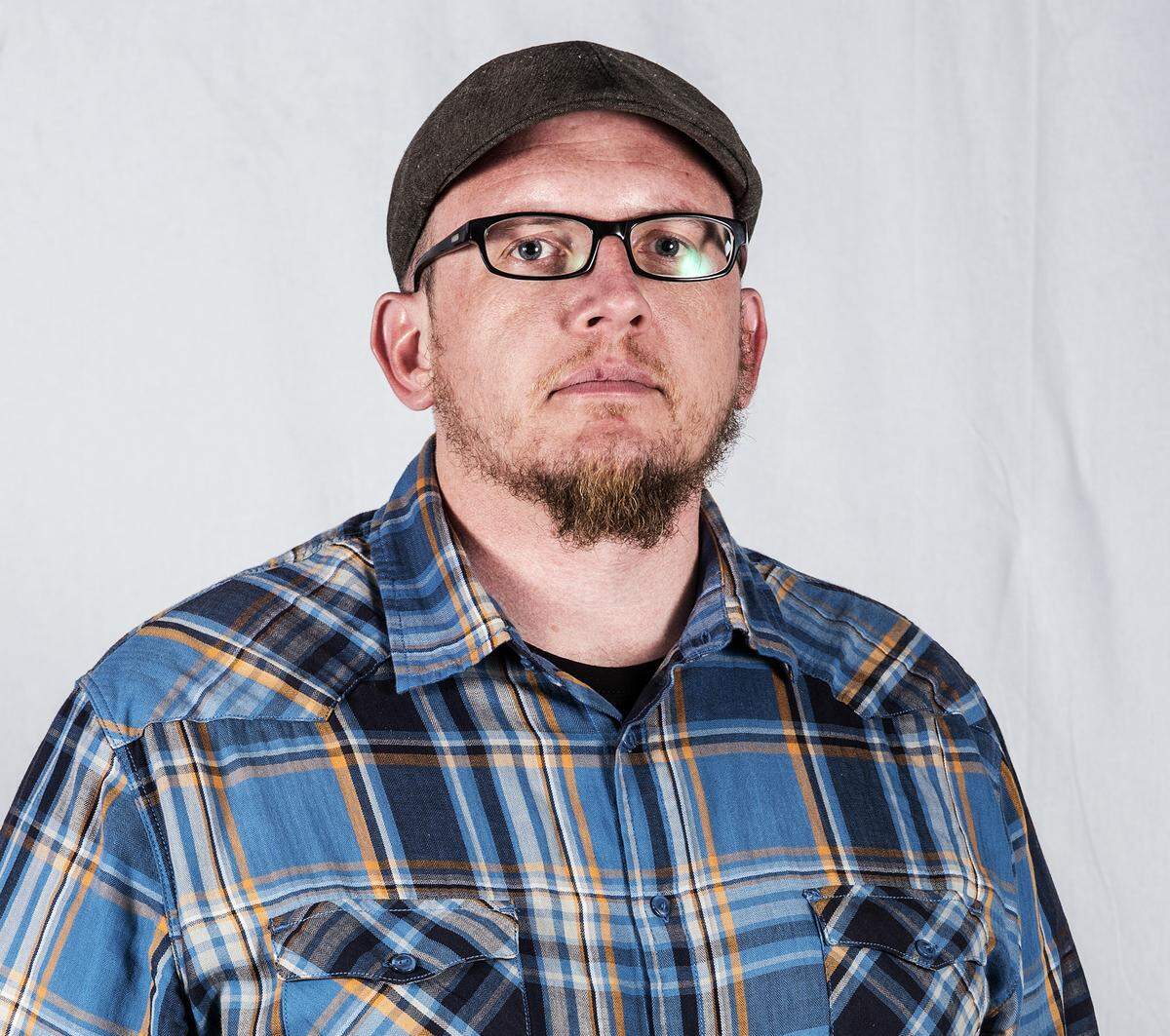
A third-generation Armenian American from Fresno, Marshall Moushigian, said his grandfather, Nishan, was held in a Turkish prison.
Speaking on the phone from a relative’s house in Armenia, Moushigian said his grandfather made it out alive, a fate that not many Armenians met during the genocide carried out by the Turks.
“The fact that I’m even here today alive is a miracle,” the 50-year-old said.
Armenian Genocide and Turkey
Between 1915 and 1923, about 1.5 million Armenians were killed or forced out of their homeland by the Ottoman Empire, which is modern-day Turkey.
The Turkish government has not recognized its horrific past and as a NATO member country the U.S. has been hesitant to call the historical events genocide.
Armenians often point to the U.S. air base inside Turkey, which gives it a strategic position in the region, as a major reason American leaders are reluctant.
Turkey was never made to make amends, like Germany and Japan did after World War II, Moushigian said.
“Those are two good countries that got their noses rubbed in their business,” he said. “Turkey never had to answer.”
Not since President Ronald Reagan was in office in 1981 has an American president called what happened in Armenia a genocide. Reagan issued his proclamation on April 22 of that year to recognize victims of genocide, noting Armenians, Jews and Cambodians.
No president since has recognized Armenians’ day of remembrance.
Armenian advocates say the words of an American president hold much weight in the world, and officially recognizing the genocide would go a long way to improving Armenia’s standing in the world and correcting Turkey’s wrongs.
Will President Biden recognize it?
President Joe Biden has signaled a number of progressive stances on issues, giving some Armenians hope, Moushigian said.
The New York Times reported Wednesday that a high-ranking official said Biden will make the genocide designation on Saturday. Moushigian said he’ll believe it when he sees it.
“We have a lot of faith that things are going to happen this time, but we’re not naive,” he said. “We’ve been through this before.”
As a senator, Biden acknowledged the genocide. He also has members of his cabinet who have been vocal about the genocide in the past.
Biden’s nominee to run the U.S. Agency For International Development, Samantha Power, tweeted in 2017 about the genocide, which she also wrote about in her book “A Problem from Hell: America and the Age of Genocide.”
“I am very sorry that, during our time in office, we in the Obama administration did not recognize the #Armenian Genocide,” she tweeted.
Both the U.S. House and Congress passed resolutions in 2019 to recognize the genocide. Rep. David Valadao, R-Hanford, said Wednesday he joined 100 other representatives in a letter to Biden, asking him to recognize the genocide.
“Formal recognition of the Armenian genocide is long overdue in the United States where so many Armenian-Americans continue to feel the pain of this tragedy,” he said.
Rep. Jim Costa, D-Fresno, and Rep. Devin Nunes, R-Tulare, also signed that letter.
Ara Aivazian, Armenia’s foreign minister, said in an interview Wednesday that “the recognition by the United States will be a kind of moral beacon to many countries.”
“This is not about Armenia and Turkey,” Aivazian added. “This is about our obligation to recognize and condemn the past, present and future genocide.”
At least 29 other countries already acknowledged the Armenia Genocide did occur, mostly in Europe. Russia and Syria, two political adversaries of Turkey, have also recognized the genocide.
Azerbaijan and war crimes
Too often, American leaders are advocates for recognizing the genocide but never act once they are in the White House, according to Sevag Tateosian, a volunteer with the Armenian National Committee of America in Central California.
Tateosain said he’s seen it too many times to get very excited about a potential recognition.
“I believe we’re closer to getting the recognition than we’ve been with previous administrations, but I still need to hear it because I’ve had my hopes up before and it’s come crashing down,” he said.
If Biden makes the declaration, Tateosian said, expect to hear “tough talk” about sanctions from Turkey. “At the end of the day, they need us more than we need them,” he said.
For Armenians, recognizing the genocide isn’t just about historical events. The genocide reverberates today in issues like the war between Armenia and neighboring Azerbaijan.
Some 200 Armenian soldiers were captured and the Azerbaijani government has been accused of their mistreatment.
Like Turkey, the oil-rich country of Azerbaijan also has roots that go back to the Ottoman Empire.
Tateosian pointed to an Azerbaijani museum called Military Trophy Park in the nation’s capital of Baku. The helmets of fallen Armenians decorate walkways and Armenian human rights advocates say the depictions of Armenian soldiers are meant to dehumanize them.
Tateosian said taking time to learn about the Armenian people could help drive the genocide home for elected officials.
“Armenian Americans have contributed so much to this area,” he said. “I think it’s important to know the story of these people who were on their way to extinction and made it out.”
This story was originally published April 22, 2021 at 12:54 PM.