
California prison employees file lawsuit demanding hazard pay during COVID pandemic
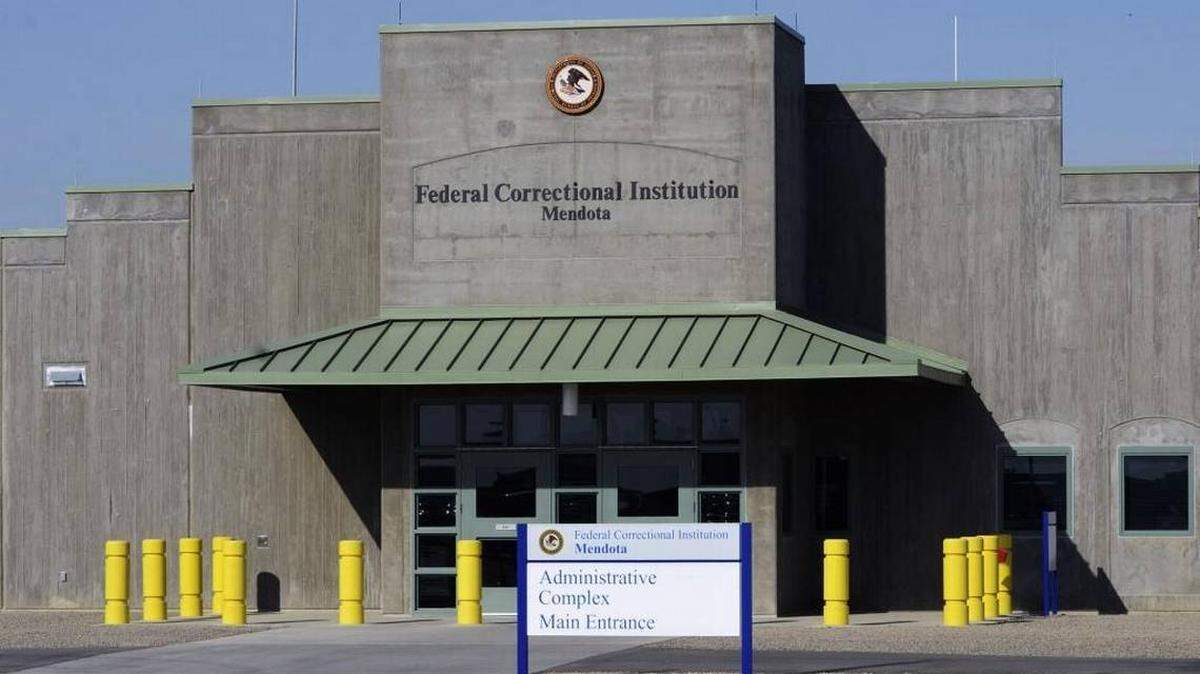
Correctional officers at a California federal prison are suing the federal government in a bid to force their employer to pay them hazard pay for working during the pandemic.
The lawsuit, brought by 51 employees of the Federal Correctional Institution at Mendota, says most of the employees deserve an extra 25% in pay for the hours they’ve worked during the COVID-19 pandemic.
At least 60 inmates and 30 staff members have become infected with COVID-19 during the pandemic, according to the complaint, filed in the U.S. Court of Federal Claims on Monday.
The Bureau of Prisons did not respond to a request for comment.
The employees at the prison west of Fresno say a federal government code dictates they should receive hazard pay amounting to 25% on top of their normal wages if they are exposed to “virulent biologicals” at work.
The federal policy defines virulent biologicals as “materials of micro-organic nature which when introduced into the body are likely to cause serious disease or fatality and for which protective devices do not afford complete protection.”
Molly Elkin, a Washington-based lawyer for the correctional officers, said that standard applies to correctional officers working during the COVID-19 pandemic. Sometimes the nature of their work prevents officers following Centers for Disease Control and Prevention guidelines related to COVID-19.
“Any time they see something suspicious, they have to put their hands on somebody. You and I are not doing that right now. We don’t shake hands, we don’t hug,” Elkin said. “They are, they’re doing it every day, and they need to get paid for it.”
Elkin pointed to other frontline workers who are getting additional pay during the pandemic, such as police and firefighters in and around the nation’s capital.
But hazard pay generally has been scarce, both in the public and private sectors, according to a study by the Brookings Institution published in October.
“While the hazards of COVID-19 are growing worse, few frontline essential workers are receiving any hazard pay at all. Most large retail employers ended temporary pay bumps months ago, despite many companies earning record sales, eye-popping profits, and soaring stock prices,” the study reads.
Elkin said she’s filed 10 lawsuits against the federal government on behalf of employees of various agencies who say they deserve hazard pay. Those lawsuits are still pending in court, though in some of those cases judges have declined the federal government’s motions to dismiss.
“This law is already on the books, they just don’t want to apply it,” Elkin said.
Aaron McGlothin, the union leader for employees at the Mendota prison, said correctional officers feel particularly strongly about the need for hazard pay because they believe the Bureau of Prisons has not taken the proper precautions to protect them.
“At some point you have to say enough is enough, you have to do what you have to do, and seek outside assistance,” McGlothin said. “If our agency took the proper precautions, we wouldn’t have to deal with this the way we have, and they owe us.”
This story was originally published February 5, 2021 at 5:00 AM.
.jpg)