Prison deaths from COVID-19: How many staff, inmates have died in the Fresno region?
Up and down California, the state’s prison system has provided the novel coronavirus with a captive population in which to spread during the pandemic.
Since the first confirmed cases of COVID-19 were identified earlier this year, more than 1,950 prison staff within the California Department of Corrections and Rehabilitation have contracted the virus. And while 916 of those workers have recovered and returned to work, eight prison staffers have died from the disease, including two at prisons in Madera County.
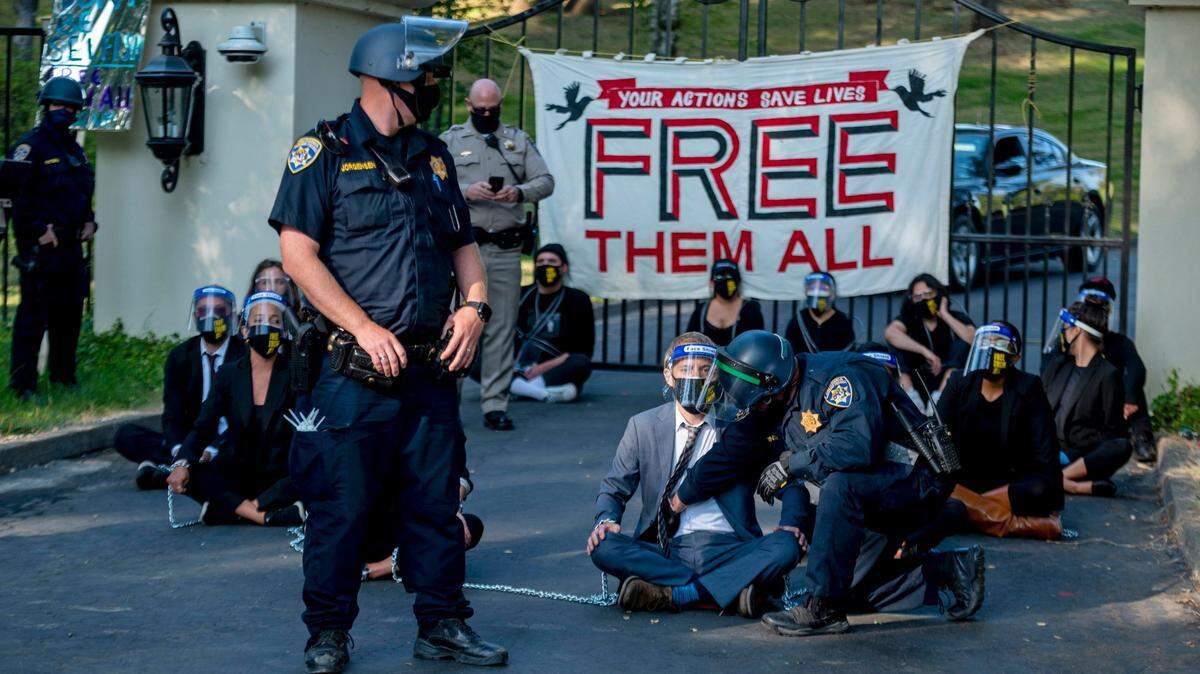
The growing number of cases has advocates for inmates’ families fearing for the safety of their incarcerated loved ones. Some staged a protest this week outside the Central California Women’s Institution near Chowchilla.
Among the more than 98,000 men and women incarcerated in state prisons in California as of Friday, 8,665 have tested positive for the virus, including 51 who have died. More than 1,000 of those infections have been detected within the past two weeks.
The prison system reports that almost 1,400 inmates statewide currently have active COVID-19 infections, while more than 6,900 have recovered. Additionally, about 300 inmates have been released from prison after fulfilling their sentence while still categorized with an active coronavirus infection.
Those releases don’t count thousands of other inmates released from custody to decompress the prison population. Under an initial round of releases in April, about 3,500 inmates who were within 60 days of their scheduled release — and not serving time for a violent crime — were set free.
In July, the system made additional releases. That included about 2,100 inmates whose awards of time off for good behavior moved up their release dates into July and 4,800 eligible inmates with six months or less left to serve.
The current statewide prison system population is down by more than 16,300 since March 11.
Effects in the Valley
Within the central and southern San Joaquin Valley, nine state prisons in Madera, Fresno, Kings and Kern counties have seen a total of about 1,900 confirmed infections among their inmates and almost 500 cases among their staff as of Friday. Those include:
Avenal State Prison in western Kings County – 1,484 of the male inmates have tested positive, five have died, and 1,039 have recovered. Among prison staff, 101 people have contracted the virus, 46 of whom have returned to work.
Central California Women’s Facility, outside of Chowchilla in Madera County – 16 inmates in the prison have tested positive, and one has recovered. Among the staff, 20 people have been infected, including one worker who died on July 26. Six of the infected staffers have recovered and returned to work.
Corcoran State Prison near Corcoran in Kings County – 211 inmates have had the virus, including one man who died, and 162 are recovered. Among the prison staff, 94 workers have been infected, of whom 27 have recovered and returned to work.
Kern Valley State Prison outside of Delano in northern Kern County – Five inmates have contracted the virus in recent weeks, none of whom have yet recovered. Of 57 prison staff who have been infected, 13 have returned to work.
North Kern State Prison, also near Delano in Kern County – 10 inmates have been infected with COVID-19, of whom eight have recovered and one was released at the end of his sentence while still actively infected. Among the staff, 100 workers have been infected, including one staff member who died, and 20 have recovered to return to work.
Pleasant Valley State Prison near Coalinga in southwestern Fresno County – One inmate has been infected and is yet to recover. Of 13 staff who have contracted the virus, four have recovered and returned to work.
Substance Abuse Treatment Facility adjacent to Corcoran State Prison – Nine inmates have been infected, five of whom have recovered and one who was completed his sentence and was released while still actively infected. Among 27 staff who have been infected, nine have returned to work after recovering.
Valley State Prison, adjacent to the Central California Women’s Facility near Chowchilla – No inmates have been infected with COVID-19 to date. Among the staff, 24 workers have been infected, including one correctional officer who died Sunday. Twelve infected staff have returned to work after recovering.
Wasco State Prison, in northwestern Kern County – 168 cases have been reported among inmates, including 121 who have recovered and 20 who completed their sentences and were released while still actively infected. Among the prison staff, 59 workers contracted the virus, including 19 who have recovered and returned to work.
Inmate advocates voice concerns
Concerns over the spread of the virus prompted a protest by inmate advocates Thursday outside of the Central California Women’s Facility near Chowchilla, the largest women’s prison in the state with more than 2,200 inmates.
Organizers expressed concern that of 16 confirmed coronavirus cases to date among the women inmates, all but two have emerged over the past two weeks.
At the Chowcilla prison, more staff have contracted the virus than inmates. “As more prison staff contract the virus, incarcerated people are being exposed, revealing how the California Department of Corrections & Rehabilitation (CDCR) continues to fail to prevent outbreaks,” April Grayson of Sister Warriors Freedom Coalition and Dolores Canales of California Families Against Solitary Confinement said in a press release.
“Incarcerated people at CCWF report dirty and dangerous COVID-19 quarantine conditions, including a lack of urgent medical and mental healthcare, a lack of cleaning and disinfectant supplies, and no consistent access to communication with loved ones,” the organizers wrote.
Protest organizers said they want the state prisons department to, among other things, enforce rules requiring all correctional officers to wear masks; allow people isolated in quarantine to be able to have their belongings and to shower daily; provide cleaning and disinfecting supplies to all inmates; allow all inmates, including those in quarantine, to have access to mental health support; video visits and free phone calls for all inmates; and emergency releases for sick, elderly or other inmates who are at greater risk for complications for coronavirus.
A spokeswoman for the state Department of Corrections and Rehabilitation said Friday that “the health and safety of all those who live and work at Central California Women’s Facility – and all institutions – is our top priority.”
Among the steps the department and California Correctional Health Care Services have taken to deal with coronavirus outbreaks at its facilities are “mandating the use of masks while on institution grounds, and providing personal protective equipment according to public health and health care guidance,” said Terry Thornton, the department’s deputy press secretary.
“We are conducting ongoing mandatory staff testing and surveillance testing of the incarcerated population to immediately identify a potential outbreak,” she added.
Inmate “porters” have been trained to deep clean and disinfect living and day room areas within the prison, and “hand hygiene supplies, to include hand sanitizer and hand soap as well as disinfectant to clean their living areas, are supplied to inmates when requested.”
Inmates who test positive for COVID-19 and are placed in medical isolation, receive twice-daily mental health check-ins twice a day, Thornton said.
A court-appointed receiver who oversees health services in the prison system has identified about 6,500 inmates as medically high risk for the virus and “eligible for consideration” for early release programs,” the department reported Thursday. “It does not equate to or represent a blanket release.”
“These medically high-risk inmates will be evaluated for potential expedited release, based upon public safety and public health considerations,” according to the department.
Federal prisons
The Federal Bureau of Prisons reported Thursday that of more than 128,000 incarcerated people and 36,000 staff at its institutions across the country, it has 1,544 inmates and 548 staff who currently have active coronavirus infections. One Bureau of Prisons staff member, and 110 federal inmates, have died from the disease.
Federal prisons nationwide have more than 9,200 inmates and 756 prison staff who have recovered from COVID-19.
The Bureau of Prisons has two federal institutions in the central San Joaquin Valley. At U.S. Penitentiary Atwater in Merced County a total of four inmates have been infected, all of whom are still active cases. Nine prison staff have contracted the virus, and four of those workers have recovered.
At the Mentota Federal Correctional Institution in western Fresno County, only one inmate has been infected and has recovered. Nine workers in the prison were infected, and six of those staff have recovered.