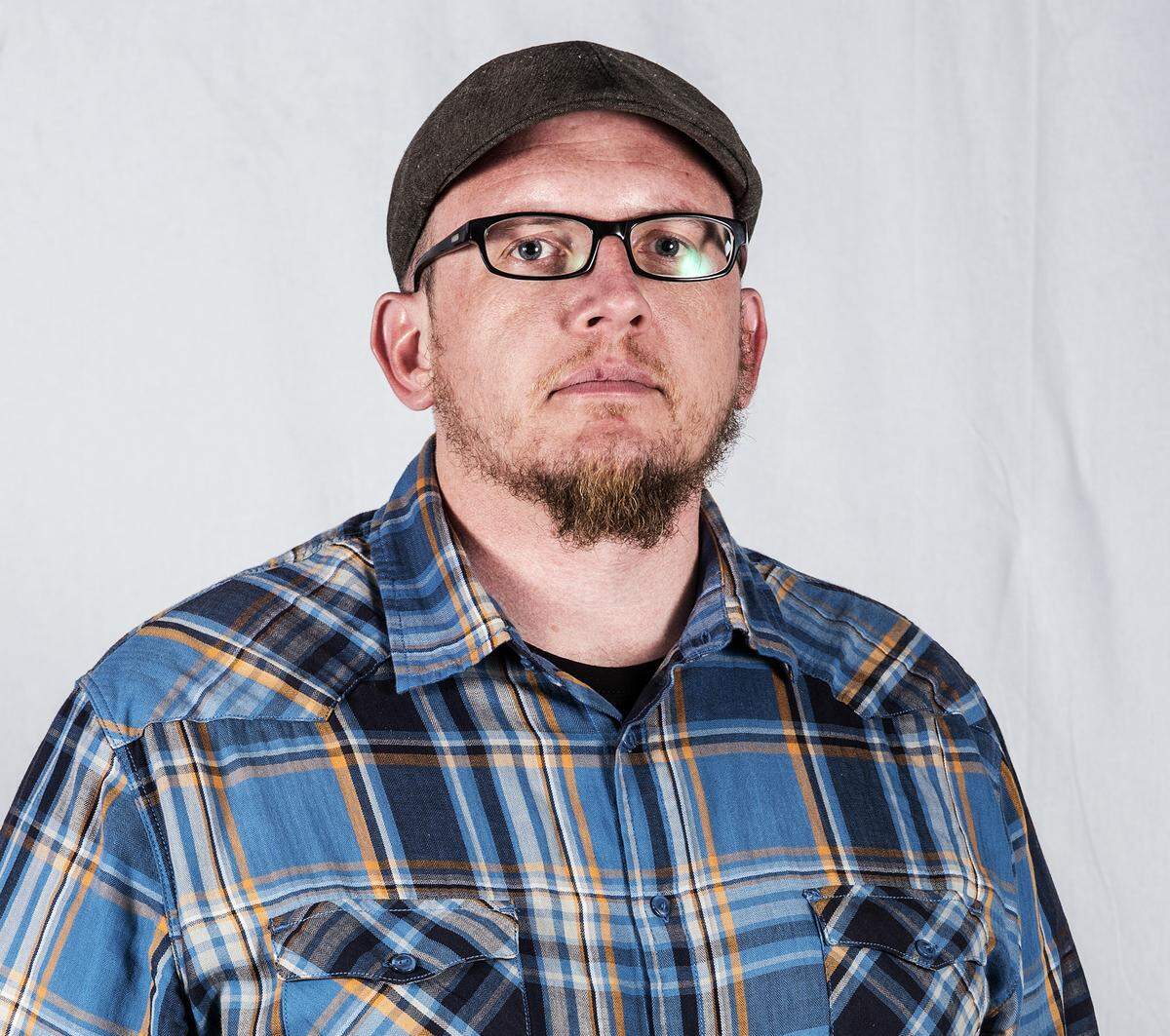
Former Fresno Mayor Alan Autry joins supporters of opening schools amid COVID-19 pandemic
Fresno City Councilmembers Mike Karbassi and Garry Bredefeld lined up several speakers on Thursday to call out what they see as a lack of planning from school and state officials in getting children back into the classroom.
The councilmembers pointed to reports from the Centers for Disease Control that highlighted the importance of child development in the classroom and data that young children tend to have a lower risk of getting the coronavirus.
The narrative over how susceptible children are to COVID-19 got push back last week from doctors at Valley Children’s Hospital in Madera.
Along with sharing their own opinions, the councilmembers brought in former Fresno Mayor Alan Autry and parents with children in Fresno Unified School District. All of them agreed that prolonging children’s return to classrooms may have lasting effects in their educational life and mental health.
Autry said he doesn’t “get off the bench that often,” but felt the issue was particularly important.
“The ramifications are so deep,” he said. “The consequences are so severe that our children could be paying for this for generations.”
He went on to say he respects Gov. Gavin Newsom and his intentions, but disagreed with his decision to set standards that prohibit public and private schools in the more than 30 counties currently on the state’s COVID-19 watch list from physically reopening their doors this fall.
Included in those shuttered districts are Fresno Unified, Clovis Unified and Central Unified.
Fresno Unified leaders had announced they would lay out their plans on how to open, but those plans were interrupted by Newsom’s order. Central Unified has presented a plan.
Karbassi said he’s concerned for the teachers, coaches, bus drivers and any other adults who will be interacting with hundreds of people at school campuses. That’s why the districts have to figure out how to open before they are given a green light.
“We need to see detailed and flexible plans from the school districts based on the latest real-time health data to address how to safely re-open,” he said. “School districts need to get it together.”
Asked for a response, Fresno Unified declined to comment on Thursday, according to spokesperson Vanessa Ramirez.
Some parents have expressed concern over their children developing depression while isolated from other children or falling behind in school.
Annika Fink said her two elementary school-aged boys did OK distance learning for a few weeks until the novelty wore off.
“What is apparent in our house since March 13, the last day of school, is a shift in my children’s brain(s),” she said, fighting back tears.
The learning on tablet computers was impersonal and often difficult to use, she said. “It created anxiety and relationship stress for everyone in the house,” she said.
Clovis Mayor Drew Bessinger, whose granddaughter is set to start kindergarten, said he’s heard from parents worried about students who fall behind.
“They get behind. If this goes another school year, they’ll be further behind,” Bessinger said. “Do they get pushed through the system to pass, do they fail, do they get discouraged and drop out?”
Local health officials issue warning about reopening
But, officials at Valley Children’s Hospital pushed back against the calls the same day.
Valley Children’s CEO Todd Suntrapak said in a statement noting Fresno County, along with six other Valley counties, is on the state watch list. That area is made up of about 170,000 schoolchildren and 25,000 teachers and staff.
“Children are at real risk from COVID-19. They get the virus. They transmit the virus. They can become very ill from COVID-19,” Suntrapak said in a statement.
“And the long-term health consequences of a child having COVID-19 are concerning to medical experts and will remain unknown until they are older. Risking a child’s health today for an unknown health future is a risk we, as pediatric health experts, are unwilling to assume.”
Valley Children’s has tested 8,041 children through Monday, with a positive rate of 9.6%, according to the statement. The positive cases include patients from 3-weeks-old to 17.
Fresno County’s positive case rate is about 11%. There were nearly 1,200 reported cases of COVID-19 in children between the ages of zero to 17 through July 17, according to the Fresno County Health Department.
The American Academy of Pediatrics has laid out recommendations for schools, which are different based on the age of the children being taught. Some of the recommendations involve having outdoor classes or not having all the children on campus at the same time.
Still others have called for sneeze guards, like those popping up in grocery stores, among other ideas.
“The AAP strongly advocates that all policy considerations for the coming school year should start with a goal of having students physically present in school,” the academy wrote in its recommendations.
“The importance of in-person learning is well-documented, and there is already evidence of the negative impacts on children because of school closures in the spring of 2020.”
Suntrapak said the AAP is not recommending that schools open if they can’t ensure children’s safety.
No deaths of anyone 17 or under have been confirmed in California.
As he has before, Bredefeld pointed to the increase in mental health issues and domestic violence since shelter-in-place orders came down, saying schools are often places where abuse is reported.
“What we’re talking about is the risks of returning to school and the costs of staying home, and the costs of staying home are dramatic,” he said.
This story was originally published July 30, 2020 at 2:59 PM.