Fresno adopts controversial gun violence program Advance Peace. Here’s why
The Fresno City Council approved the controversial gun violence reduction program Advance Peace on Thursday following changes to the program.
The program was approved about a year ago but vetoed by Mayor Lee Brand, who threw his support behind the program this year. The program will cost about $300,000 annually for three years.
“I think we made the changes we can all live with,” Brand said.
The exact changes were not immediately clear as the council still needs to approve a contract, but city leaders said the new plan will hold the program to specific performance standards.
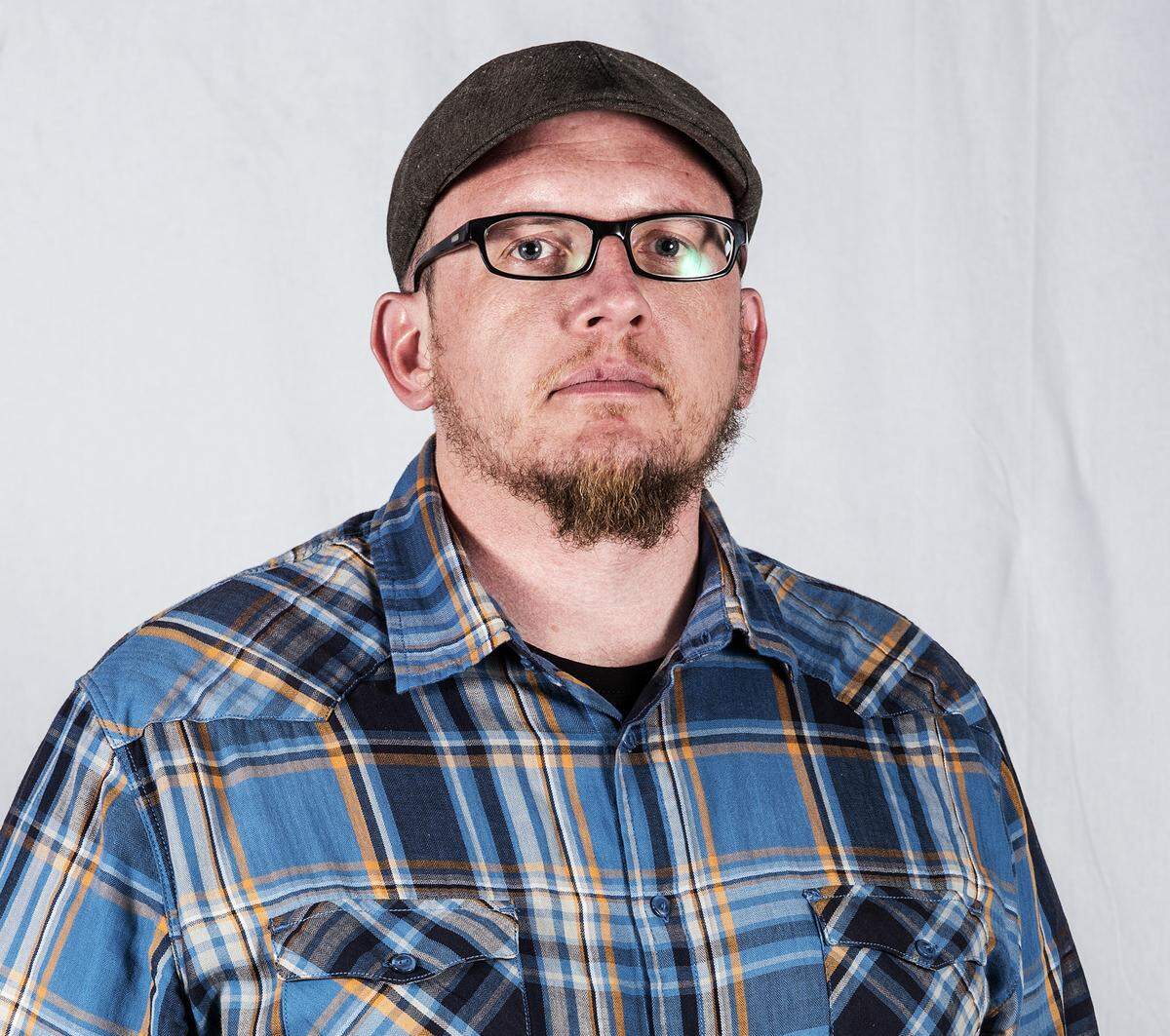
The prevention program identifies the city’s most likely shooters and crosschecks them with police, according to Aaron Foster, who is behind the program in Fresno. Those potential shooters are asked to join a program run by advocates.
The program became controversial because some participants could potentially earn a stipend of $1,000 from the city’s investment.
The new version of the program made changes to assure the city’s dollars go to the Fresno Equal Opportunity Commission to pay for the staffing of the program but no city money will go to its participants, according to H. Spees, Fresno’s director of strategic initiatives.
Councilmember Mike Karbassi, who is in his first budget cycle on the council, said the program could bring new resources to an ongoing problem of gun violence in Fresno.
“When you look at the huge budget, it is a small amount of money that can have a huge impact,” he said.
Faith in the Valley, a nonprofit that has advocated for the program, celebrated the vote in a statement, noting the program has had success in Richmond.
“Today, the City Council voted to fund its part for at least the next three years to bring Advance Peace to Fresno. With this commitment, we can now finally say we are on the verge of launching Advance Peace in Fresno,” the statement said. “In this moment of re-imagining what it means to truly provide public safety for all Fresno communities and residents, this is a critical step forward..”
The council adopted the program with a 5-1 vote. Councilmember Paul Caprioglio was absent and Councilmember Garry Bredefeld cast the sole “no” vote.
Bredefeld said he would consider supporting the program next year after he sees the results. “As of today, I’m not comfortable moving forward,” he said.
Police reform
The council has heard an outcry from residents this budget cycle to defund police and rethink how they answer 911 calls. In response, the council pointed to some areas where they’d like to explore changes to policies related to police.
The council forwarded a number of those ideas to its newly formed police reform committee.
All of the motions adopted by the council during Thursday’s budget hearing are subject to the mayor’s veto.
The committee will be asked for recommendations on whether police should respond to mental health calls, wheher the department should continue its policy of automatically towing cars after a driver’s arrest and whether police should be part of the recycling task force.
The committee is working in a 90-day window to come up with recommendations.
Graffiti abatement also moved from a police matter to code enforcement following the council’s vote. The plan also includes teaming with an arts group to paint murals on walls to reduce graffiti.
The council also voted to set up an exploratory team of homeless advocates and representatives of the Fresno County Department of Public Health to potentially recommend changes to having police on the homeless task force.
The homeless task force had 8,186 encounters with homeless people at about 6,500 encampment cleanups last year, according to numbers from the city. On two occasions, an officer had to use force.
“The end goal is to find out a better mechanism to respond to homelessness in our community,” Councilmember Esmeralda Soria said.
Hate speech
The meeting was the first time the City Council has met in City Hall since the outbreak of the coronavirus pushed the members to do virtual meetings in March.
The council has decided to continue to allow virtual calls through an online service, which has come with a downside — callers who use hate speech or play music featuring foul language.
Thursday’s meeting was no different, though city staffers were quick to cut obscene calls off. Arias warned those callers.
“The FBI is following our meeting today and will follow up with anyone making threats in this forum,” he said.
This story was originally published June 25, 2020 at 5:56 PM.