Amid reopening, COVID-19 has Fresno County health officials worried about those most at risk
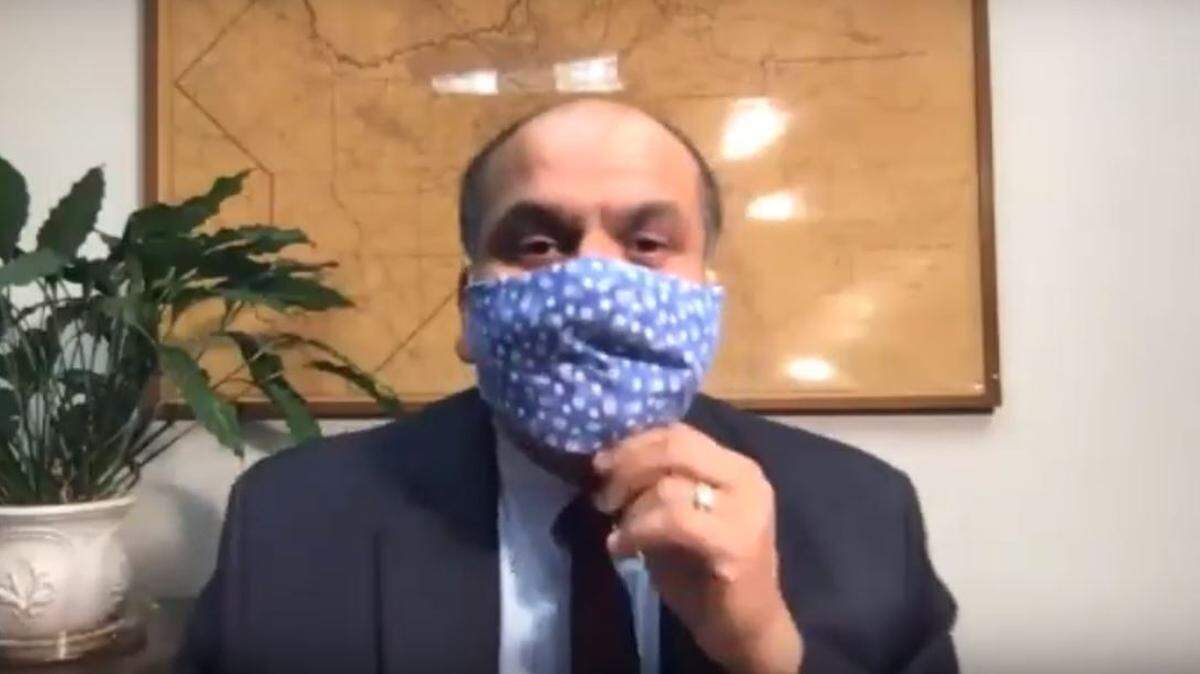
For more than two months, Fresno County’s interim health officer Dr. Rais Vohra has repeatedly cautioned residents about the need for measures – both institutional and individual – to protect “vulnerable” members of the community from suffering dire consequences from the novel coronavirus.
In the Valley, that’s notably been a reference to senior citizens.
Of more than 4,500 confirmed COVID-19 infections reported in Fresno, Kings, Madera, Mariposa, Merced and Tulare counties through May 28, more than 700 are among people over the age of 65.
While that’s not the largest proportion of the cases, hospitalizations and deaths have been far more prevalent among older patients – particularly those who already had other health problems before they were infected with the coronavirus.
In Fresno County, 30 deaths have been attributed to COVID-19 since the first case was reported in early March. “The average age of all of our fatalities is 76, and all of them had prior comorbid illnesses except for five,” Vohra said Wednesday in a briefing for reporters.
Only three of the deaths in Fresno County as of May 21 were among people under the age of 65, and each of them also had other existing medical problems, according to information from the Fresno County Department of Public Health.
Statewide, almost 4,000 people have succumbed to coronavirus disease since mid-March. More than 3,000 of those – about 76% – were 65 or older.
More than half of the Fresno County patients hospitalized for COVID-19 during the pandemic are 65 or older, the county reported.
Seniors aren’t the only ones who appear to be more vulnerable to the coronavirus. The U.S. Centers for Disease Control and Prevention warns that “people of any age who have serious underlying medical conditions might be at higher risk for severe illness from COVID-19.”
Besides senior citizens and people living in nursing homes or long-term care facilities, the CDC cautions that other at-risk people are those who have:
1. Chronic lung disease or asthma
2. Serious heart conditions
3. Compromised immune systems, including through cancer treatments, organ transplants, smokers, poorly controlled HIV or AIDS, or prolonged use of medications including corticosteroids that may weaken immunity.
4. Severe obesity problems
5. Diabetes
6. Chronic kidney diseases being treated with dialysis
7. Liver disease
“It’s really just reflective of what the general population tends to have,” Vohra said. “It’s not shocking, but it’s very disheartening. What I really worry about is that we have a pretty large burden of all of these diseases in our county, so we have a pretty large population of vulnerable patients.”
A 2018 report by the University of California, Los Angeles found that almost one in four adults in Fresno County had been diagnosed with asthma at some time in their lives, while more than 41% of adults suffered from obesity. Just under 10% of adults in the county had diabetes, and almost 8% had some form of heart disease.
Many of the ailments or conditions are also prevalent among senior citizens, he added. “We talk about the level of resilience, or …the cushion or the reserve, that a body has,” Vohra said. “And as we get older, the body becomes more fragile. So (with) all of these diseases, as well as just the age of the body, there is less cushion to be able to brace for impact.”
“So when you have (an illness) like coronavirus affecting the lungs and possibly other organs – and we know it can cause multiple organ failure – it’s really hard to bounce back from that,” he said. “All of those are in the jumble of the different things that are being reported among these fatalities.”
The prevalence of risk factors beyond the senior population is why Vohra and other health officials throughout the Valley are insistent on urging residents – even those who aren’t showing any symptoms such as fever or coughing – to take basic steps to minimize the potential spread of coronavirus to others.
Health officials also want to avoid sparking a second wave of the disease and creating a strain on medical care that was largely avoided over the past two months.
That includes promoting hand washing, wearing face masks when out in public, staying home when sick, and taking it slow and steady on reopening segments of the economy and culture rather than rushing headlong into pre-COVID-19 social routines.
Dr. Stephanie Koch-Kumar, senior epidemiologist with the Fresno County Department of Public Health, said each new sector that reopens — including allowing dine-in restaurants, in-store shopping, reopening barber shops and hair salons, and church services — runs the risk of an increase in “community spread” of cases in which the source of exposure can’t be pinned down.
“Right now, we’re having a lot of (spread through) close contact,” Koch-Kumar said. “As we start reopening, we can start to see a lot more community spread that’s going to be suggestive of problems with people going out in the community, and it’s something we need to be careful of.”
That potential underscores reopening gradually, Vohra said. “We want to reopen different parts of the economy, we want to reopen different parts of society, but every time we do that we’re adding stress to the health care system,” he said.
“We need to do that very carefully and make sure the healthcare system can adapt every step of the way, whether that’s medications or whether that’s actual bed capacity, whether that’s things like PPE (personal protective equipment such as face masks, gowns and gloves). We need to make sure that every time we make a change, we can give the health care system time to adapt.”
“If we just overwhelm all of these agencies and obviously overwhelm our hospitals, then we won’t have time to adapt to these changes as they occur,” he added. “That will actually put us behind and we’ll lose the success that we currently have.”
This story was originally published May 31, 2020 at 12:48 PM.