Fresno chemist made science relatable and researched what he loved – including martinis
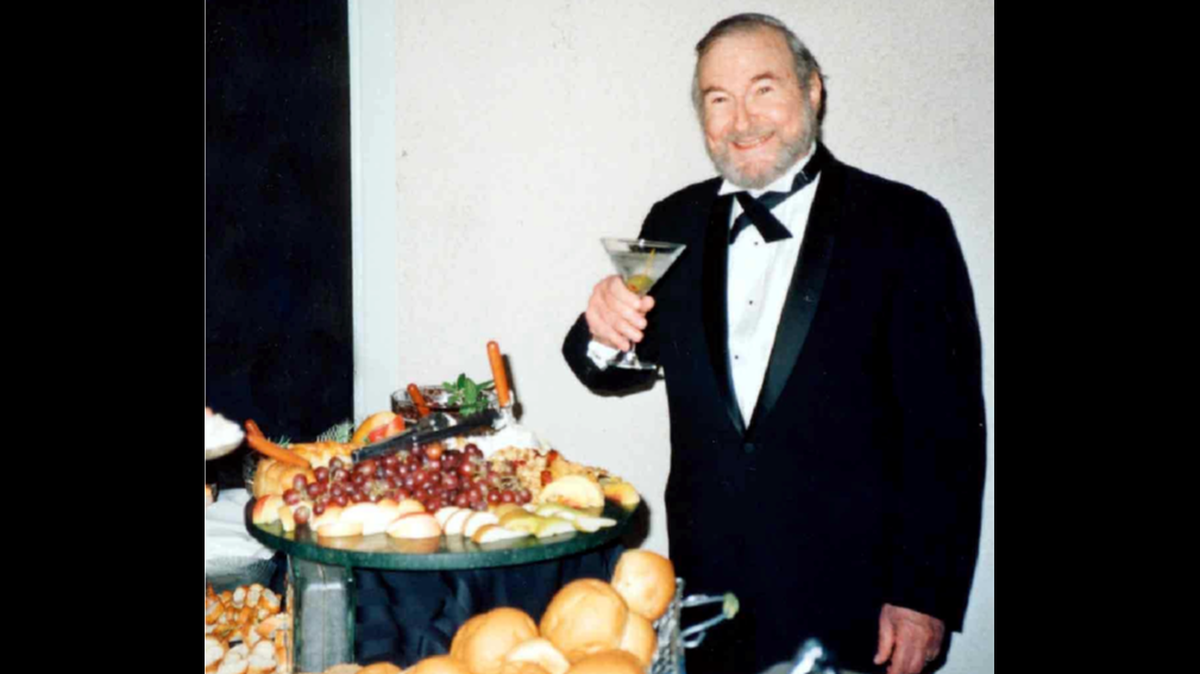
George Kauffman got interested in chemistry as a boy, lighting firecrackers and blowing up things.
Years later, as a Fresno State chemistry professor, he ran Fourth of July firework shows that showcased the wonders of chemistry in bright plumes of exploding color in the night sky.
Kauffman loved using chemistry’s excitement to intrigue students – and the community, as a frequent Fresno Bee contributor – to explore and better appreciate how so much of the workings of the world are because of science.
The renowned chemist and professor died May 2 in hospice care at his home from congestive heart failure. He was 89 years old.
The Philadelphia native lived in Fresno for over 60 years. He taught chemistry at Fresno State for 36 years, until his retirement in 1992. He previously taught at the University of Texas and worked as a research chemist for Humble Oil and Refining Company, and General Electric Company.
He was totally engaged in whatever he was researching, which often included subjects of personal interest – including how to make the ultimate martini, said daughter Judith Reposo.
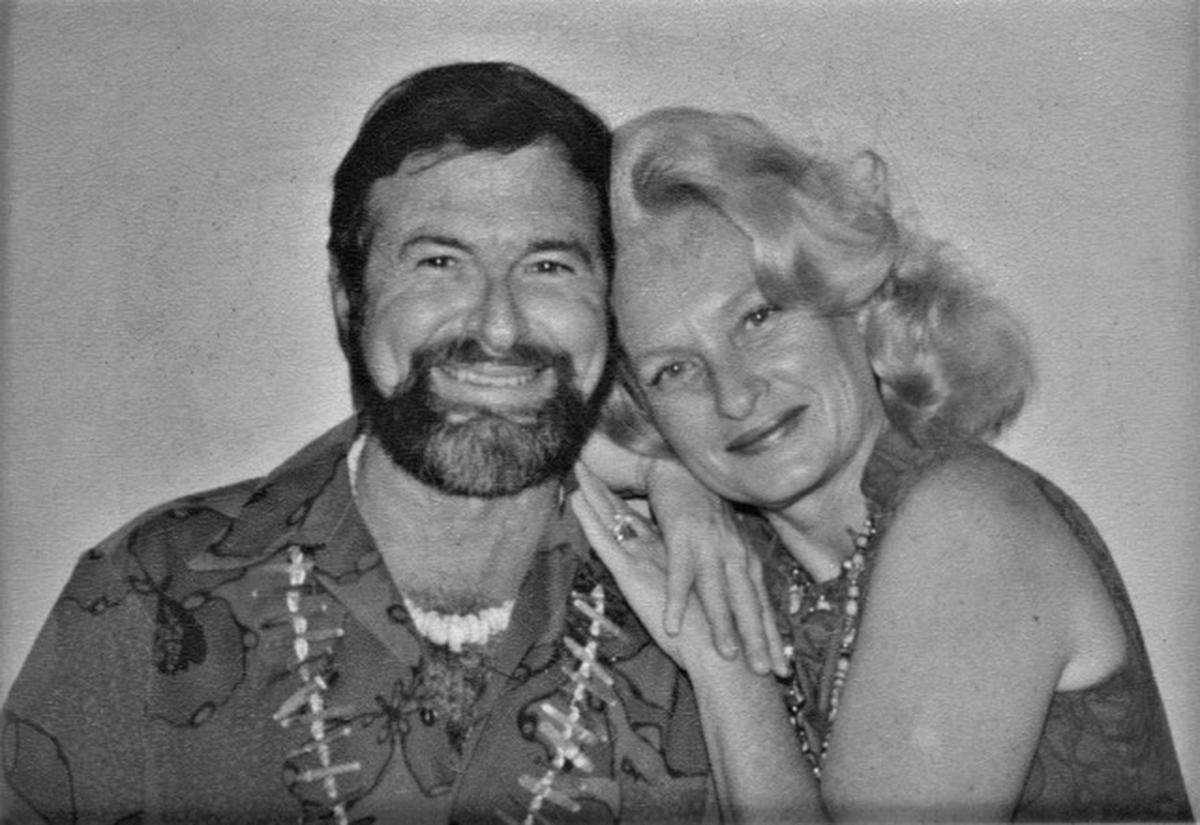
Other interests included exercise, seafood, and opera music that he enjoyed singing in German and Italian. Laurie Kauffman, his wife of 50 years, said life was never boring with him.
“He was devoted and wonderful to me,” Laurie said. “We traveled all over the world and met other scientific people. It was just grand.”
Renowned chemist, Fresno State professor
Kauffman won numerous awards for his teaching and research.
At Fresno State, that included the first President’s Medal of Distinction in 1994, the university’s highest non-degree accolade. He also served as director of Fresno State’s National Science Foundation Undergraduate Research Participation Program.
He received several awards across the California State University system, including Outstanding Professor.
Kauffman authored 17 books and more than 3,000 papers, reviews, and encyclopedia articles on chemical education, chemistry and the history of science. He often listed Fresno State students who helped with research as co-authors.
Steven Chooljian, one of his students who later became Kauffman’s primary care physician, called that very generous. Kauffman’s lessons about critical thinking and how to solve problems have aided him in his work as a medical doctor.
Kauffman also served in leadership positions for the national American Chemical Society’s history division, presenting more than 100 lectures in the U.S. and abroad. He was a Guggenheim fellow in the field of history of science and technology, and did research at universities in Europe with grants from the National Science Foundation and National Endowment for the Humanities.
Much of his research was related to Alfred Werner’s coordination theory. Werner received a Nobel Prize for “work on the linkage of atoms in molecules” that “opened up new fields of research, especially in inorganic chemistry.”
Daughter Ruth Bryskier said her father was a firm believer in research and “finding out to the best of your ability what is going on.”
“He was very determined and always had a lot of different things going,” Bryskier said. “If he wanted to do something, it would get done.”
Science for social justice, Fresno Bee contributor
Kauffman strove to make science relatable and used it to promote public health and social justice. He was a frequent contributor to The Fresno Bee and Community Alliance.
Excerpts from some of his Fresno Bee columns and letters to the editor:
About the dangers of anti-science sentiment, he wrote that has “created an array of controversies over reproduction, climate change and evolution.”
One of his annual Earth Day columns, addressing the Bush administration: “On a wide range of issues like global warming, childhood lead poisoning, mercury emissions, climate change, reproductive health, nuclear weapons, energy policy and Arctic drilling, it distorts and censors scientific findings that contradict its policies.”
And an education in how the periodic table of elements affects everyday life: “Carbon, an essential component of our bodies but a culprit in global warming, forms our pencils (graphite) and diamonds. Tungsten is in light bulbs, neon in signs, copper in wires, aluminum and tin in cans, and chlorine and sodium in table salt.
“Technetium is a diagnostic radioisotope, gadolinium is an MRI contrast agent, and radon is the second leading cause of lung cancer. Transuranium elements include americium in every home’s smoke detector but dangerous plutonium. The list is literally endless.”
Family and friends said he had a form of dementia near the end of his life, but that he was already functioning at such a high level that the memory loss was barely noticeable. He continued to research and write until more recently.
What would he say about COVID-19?
“Dad would say how important science is and how it affects society,” Reposo said, “and right now there’s this portion of the population that sort of doesn’t take that seriously.”
Chooljian said something similar: “I think more than ever we need to have science, and we need to have good science, and in the area of coronavirus … it’s not a magical thing that is just going to go away. … In these challenging times we are in, we have to listen to the scientists and not really the politicians. The people who govern us need to use guidelines that are developed by scientists, who have their whole lives studied these problems and make them the conveyors of information.”
George Bernard Kauffman
Born: Sept. 4, 1930
Died: May 2, 2020
Residence: Fresno
Occupation: Chemist and professor
Survivors: Wife of 50 years, Laurie Kauffman; children Ruth Bryskier and husband Marty, Judith Reposo and husband Mario, Bob Papazian and wife Peggy, Teresa Papazian, and Mary Papazian; eight grandchildren and five great-grandchildren.
Services: A private burial with family was held May 6, 2020.
Remembrances: Donations in Kauffman’s memory can be made to The Union of Concerned Scientists. Condolences for the Kauffman family can be shared on lislefuneralhome.com.
This story was originally published May 14, 2020 at 4:31 PM.