
New ICE detention facility moves forward in rural San Joaquin Valley town despite outcry
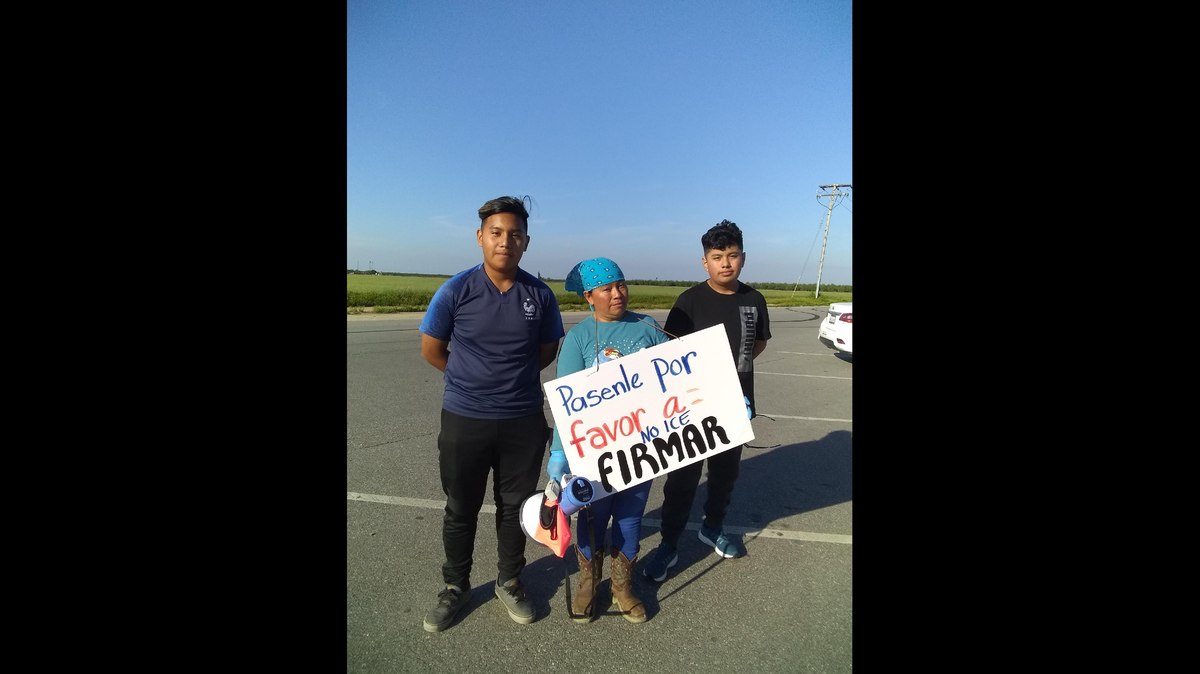
Community residents and activists say they will continue to fight against the establishment of a new ICE immigration detention facility in the small Kern County community of McFarland in the San Joaquin Valley.
The McFarland City Council on Thursday night voted 4-0 to convert two facilities into immigration detention centers to add additional space to the Mesa Verde ICE Processing Facility in Bakersfield.
“The community is resilient and they are working until the very end to make sure that these detention centers don’t come into the community,” said Alex Gonzalez, a community organizer with Faith in the Valley.
The immigration detention centers will be operated by the GEO Group, a private company that contracts with U.S. Immigration and Customs Enforcement to run several detention centers, including Mesa Verde. McFarland Councilmember Stephen McFarland excused himself from Thursday’s meeting because he is a GEO employee.
A GEO Group spokesperson in a statement Friday said the company “appreciates” the vote by the city council in favor of its proposals.
“This important decision will allow the Central Valley and Golden State facilities to remain open, saving over 300 high paying jobs in the area along with millions of dollars in annual local tax revenue,” the spokesperson said of the two facilities GEO will now operate under a federal contract. “GEO is proud to be a long-standing member of the McFarland community, and we are committed to supporting the local economy and helping the city grow.”
The American Civil Liberties Union of Southern California accused the city council of violating California open meeting laws, known as the Brown Act, by limiting public participation. ACLU attorney Jordan Wells said he believes the council’s vote approving the centers was invalid as a result of the alleged Brown Act violation.
More than 800 comments were submitted in writing, but many citizens couldn’t participate in the online meeting, which the council hosted via Zoom. Online attendance was capped at 100 participants.
It’s unclear why the city council chose to use a Zoom call as opposed to widely streaming the meeting on Facebook or YouTube, like many other jurisdictions do, such as Fresno. While city officials didn’t explain the decision, McFarland City Clerk Claudia Ceja said during the meeting that online attendance would be capped at 100.
Thursday’s vote came after more than three hours of public comments and debate. The public hearing included pleas for the council to delay the the vote from civil rights icon Dolores Huerta, who urged the council to postpone the decision until after the governor lifts the sheltering order imposed to slow the spreading coronavirus.
McFarland officials said this decision was driven by what they described as the town’s “dire” financial situation.
The ACLU also accused the council of violating the same public meetings laws on April 9 when it appointed Eric Rodriguez to the council. Rodriguez voted in favor the centers Thursday.
“Any votes provided by the new councilmember will be unlawful,” the ACLU said in a formal letter to the council.
Wells said staff at the ACLU have heard concerns about “the process that led to his appointment as a councilmember.”
Two of Rodriguez’s social media profiles appeared to list him as a former GEO employee, but at least one was later changed.
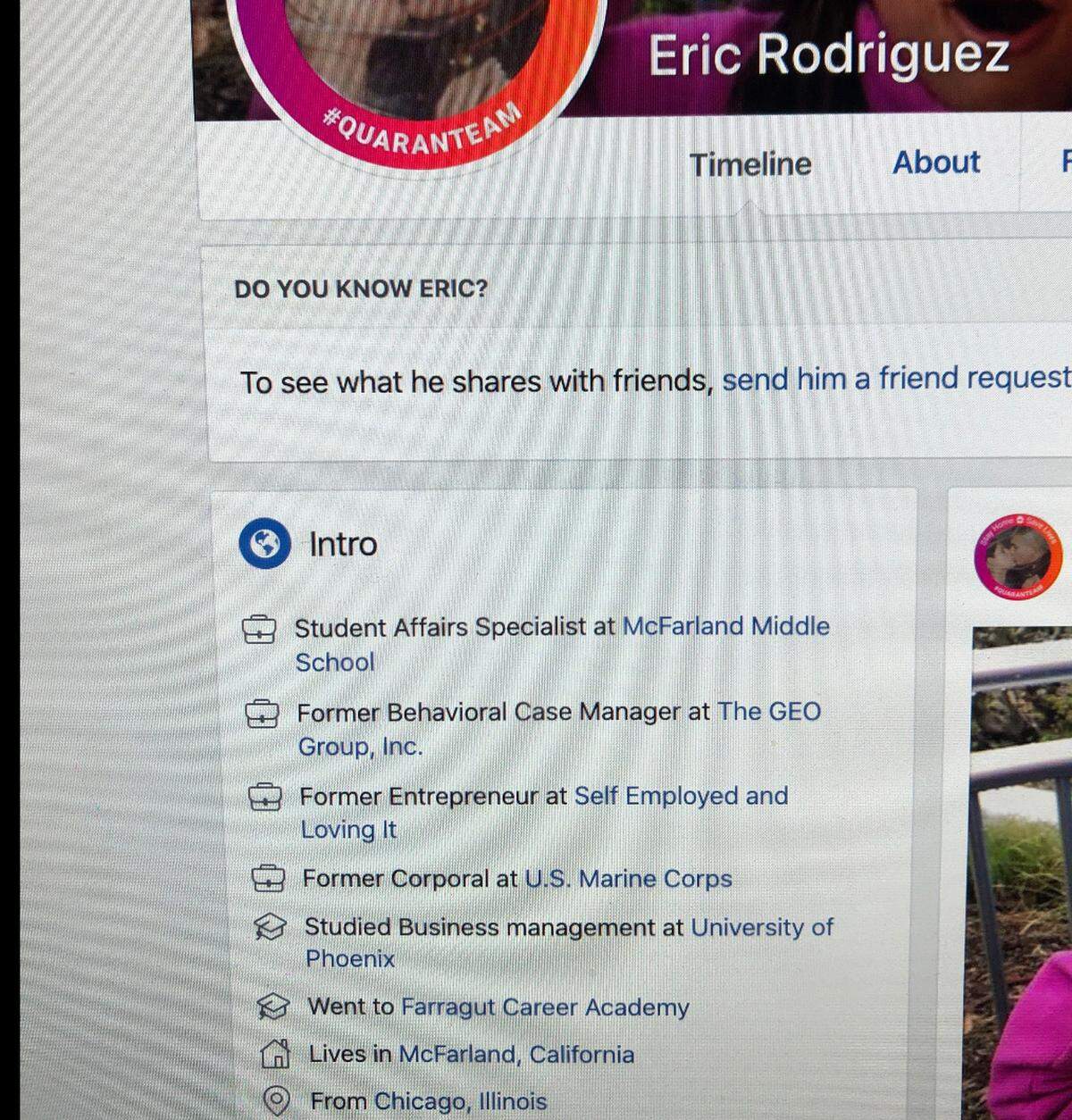
Rodriguez didn’t return multiple requests from The Bee for comment.
Some terms of the deal
Under a new California law signed by Gov. Gavin Newsom in October, the state must phase out private, for-profit-prisons and immigration detention centers by 2028. The law prohibits the state from signing new agreements with private prisons or renewing contracts beginning Jan. 1.
Under the deal, McFarland will receive $511,000 annually in mitigation fees, about $50,000 for police and fire, and the local salaries would increase from an average of $16.57 an hour to $46.57 an hour, or $34,474 annually to $96,866 annually, according to Pennell and a presentation by David Venturella, a senior vice president for client relations at GEO.
Venturella said those mitigation fees would be provided annually to the city for the period of the 15-year contract. GEO offered one-time $1,000 scholarships for those graduating from high school in McFarland as part of the approval.
A total of 420 new jobs will be created, with 210 at each facility, Venturella said. Each facility holds a 700-bed limit.
GEO has already operated in McFarland for decades operating facilities for the California Department of Corrections and Rehabilitation, and under the federal contract, it will hold immigration detainees and its annual payroll for each facility will increase from $7 million to $18 million.
Gonzalez, with Faith in the Valley, said the city council and GEO have focused on the additional jobs the detention centers will bring to the cash-strapped, farmworker town, but community members say those jobs won’t go to local residents.
“They are farmworkers and are ... Spanish speakers so they say, ‘those jobs they are promising are not for us,’” Gonzalez said.
Maribel Martinez has continued working while others shelter in place during the coronavirus pandemic. She said the city council should focus on the public health crisis as opposed to focusing on the plans for the detention centers.
“I feel more than anything defrauded,” she said in Spanish of the city leaders. “This is not just. We feel double fear, double panic.”
.jpg)