San Joaquin Valley farmworkers fear working — and not working - amid coronavirus
Maria Camacho sews homemade coronavirus face masks and sells them to friends and neighbors.
It’s how she makes money since losing her job in a Kern County vineyard a few weeks ago. She said her employer cut the workforce, keeping only the workers with the most seniority. She said her family’s lucky her husband was one of the workers who kept his job.
They’re part of California’s more than 420,000 farmworkers considered essential to the economy while millions of others stay home to stem the spread of the coronavirus pandemic.
The COVID-19 illness that spread in mid-march through the central San Joaquin Valley caught many farmworkers by surprise. Already facing the rainy season and some shortages in seasonal work, the coronavirus could devastate farmworkers, many of whom go without healthcare and have no savings to fall back on.
According to state data, fieldworkers made just under $800 a week on average in 2019.
Farmworkers who spoke to The Bee said they are bracing for the worst.
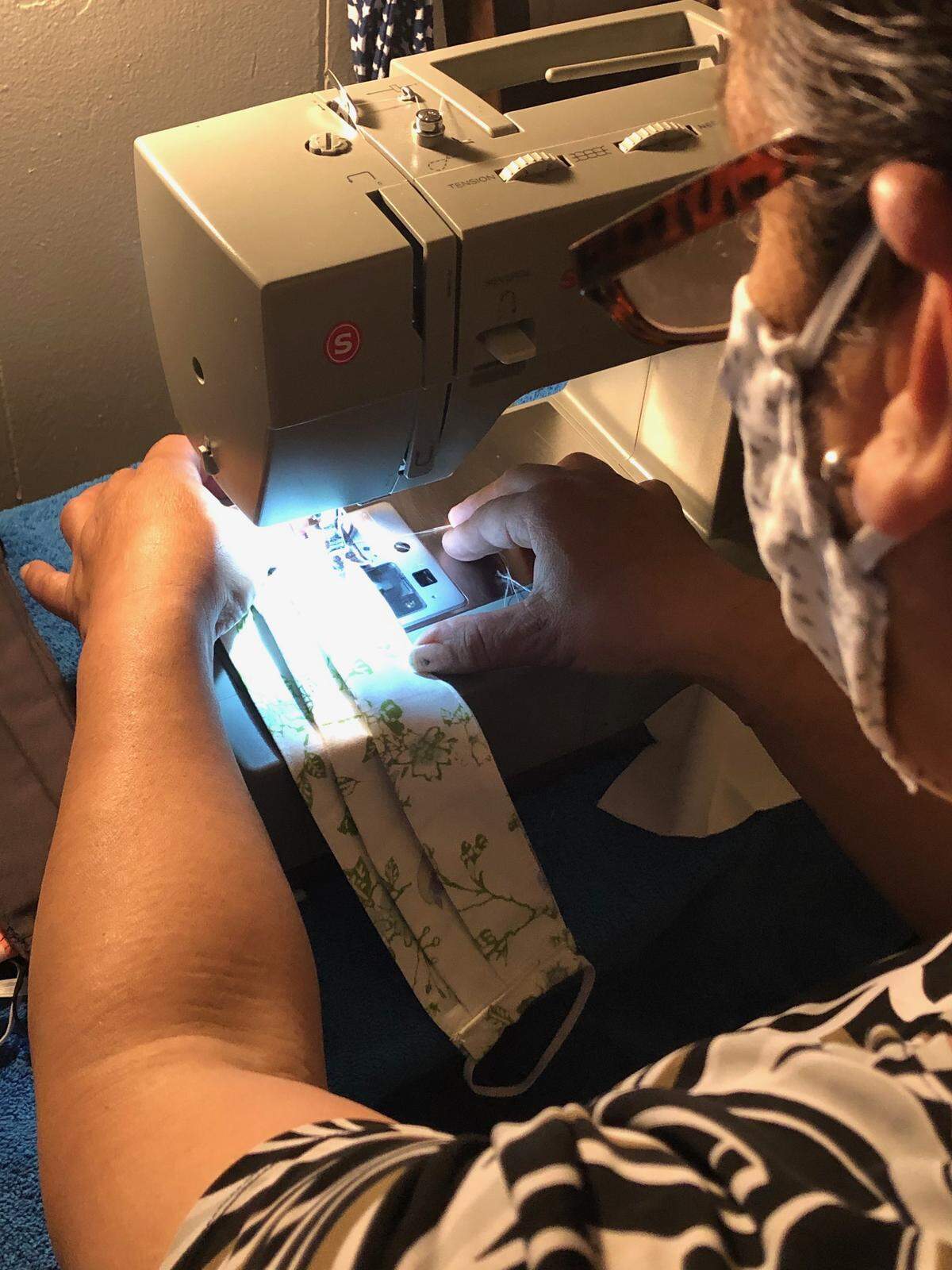
“We weren’t prepared like others,” said Camacho, a mother of four. “You do get stressed out. But this is an experience that we have to live through.”
Finding help
Undocumented farmworkers - who make up about half the total farm labor force according to some federal estimates - are expected to face the toughest time adjusting to the coronavirus economy. They don’t qualify for unemployment and have been excluded from many of the safety net programs rolling out in response to the outbreak.
California Gov. Gavin Newsom has hinted at some economic relief for undocumented workers. California Insurance Commissioner Ricardo Lara last week also emphasized that undocumented workers could be compensated for job-related injuries, including COVID-19 illness.
Local organizations are also promising to help.
At least $2.5 million was raised in recent weeks by several Valley organizations as part of the San Joaquin Valley Health Fund announced by the Sierra Health Foundation. The aid will go toward groups such as farmworkers, undocumented residents, homeless, and formerly incarcerated individuals.
The aid is welcome to vulnerable residents, especially as the National Rural Health Association reported last week that the virus has spread to more than 1,000 rural communities in the country. That’s a problem, the association reports, because many rural hospitals are on the verge of closing because they don’t have the medical supplies needed. That could leave rural residents with no access to care.
It’s unclear how much COVID-19 testing is available for the thousands of cropworkers in California, or how that testing, if available, would be performed. But the California Department of Public Health, in a statement, said that while data doesn’t yet show which essential workers are tested, coronavirus testing is “prioritized for people in key occupations who might have COVID-19.”
Under current law, farmworkers get little to no paid sick leave from work. Getting sick only adds to their challenges, said Pamela Martinez, an organizer with the United Farm Workers Foundation, a policy and resource organization that aids immigrants in Fresno, Kern, Monterey and Ventura counties, as well as Phoenix, Arizona.
“If they do stay home, that means they won’t be having that income,” Martinez said. “We do hope for legislation and guidelines to be implemented at the workplace. We do know that farmworkers have always been essential and continue to be the backbone of this country.”
Martinez said the organization regularly updates its website, sisepuede.org, with tips on how to understand new laws and health rules. She said the organization also aims to help immigrant farmworkers navigate community resources, like health clinics and free school meals offered for children.
Immigration, demand impact
Joe Del Bosque, owner at Del Bosque Farms, said the fears of catching the virus might be worse than the actual threat in some cases. He said his farms employ distancing and sanitation rules that hopefully help workers stay at ease.
“We’re being distracted by all this noise from everywhere,” Del Bosque said. “With our workers, fear is probably our biggest enemy.”
He said farmworkers in the Valley are already apprehensive about being out too much. Many of their travels include trips from their homes to work and vice versa, said Del Bosque, whose cherry, sweet corn and cantaloupe harvests are approaching.
Casey Creamer, president of the Exeter-based California Citrus Mutual, said workers are reminded of safety protocols in the fields and packinghouses.
He said that companies hadn’t seen significant changes to the workforce, except an impact to produce such as lemons.
%20(003).jpg "IMG_2916 (1) (003).jpg")
Creamer said that measures are needed to improve conditions for workers who labor in the fields.
“We’ve had an ineffective, unworkable policy when it comes to immigration reform in this country. We have a definite need,” Creamer said. “These people came across to help out this industry. We just need that legal system moving forward for everyone.”
Living ‘day to day’
As news of the pandemic slowly reached farmworkers in mid-March, some said there was simply not enough time to catch up and prepare. Store shelves were emptied as fear grew. Shoppers in rural areas said they traveled far to find expensive basic items.
Felix Gonzalez, a father and farmworker who picks oranges in Tulare County, said most of his income has already been spent to pay for April’s rent. He was also told he wouldn’t have a job for another week after a slow period with a citrus company.
His only other income, performing music in a group called Dueto Intacto de Guerrero, is also non-existent since gatherings ceased. He would typically earn $200 for a three-hour performance weekly.
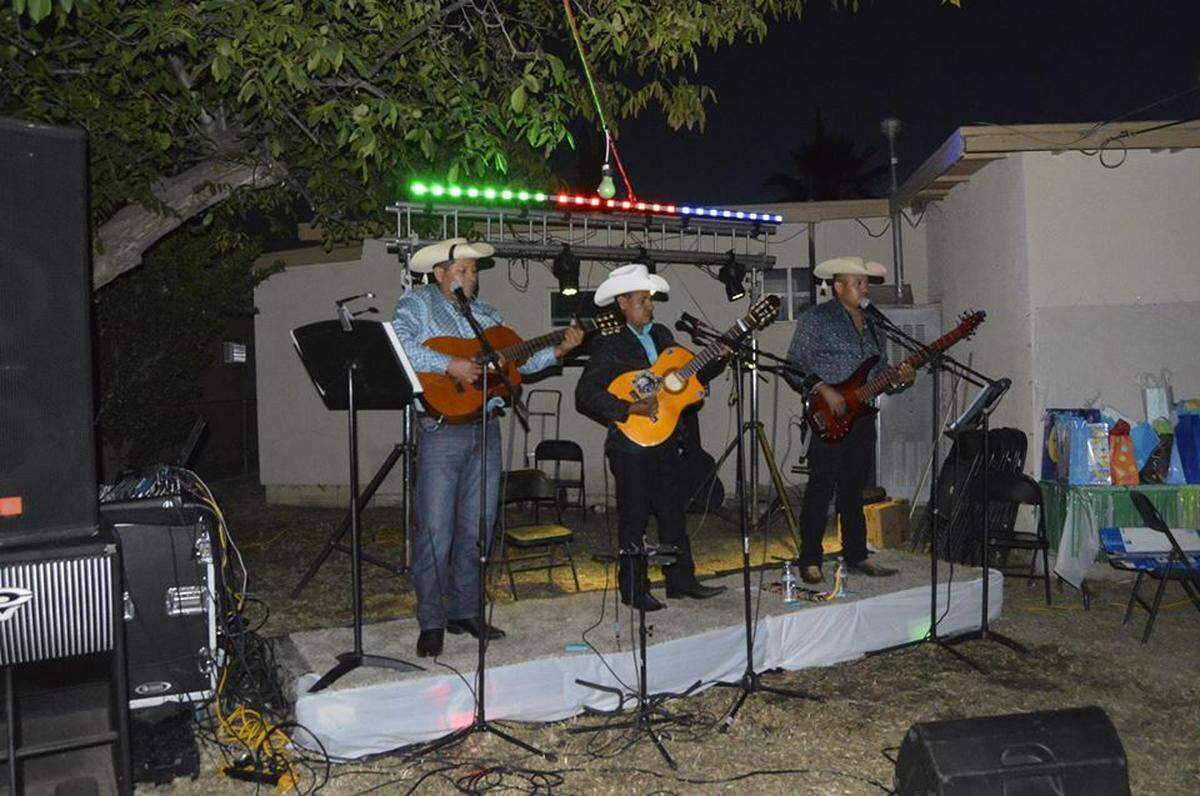
“Those of us who work in the fields live day-to-day,” Gonzalez said. “We need to have savings. But sometimes we don’t earn enough to save.”
This story was originally published April 13, 2020 at 2:38 PM.