Fresno area towns have some of the worst air in the state. Will new monitors help?
Esteban Joe Andrade says it’s hard to breathe in Calwa.
“It gets me sneezing and gets me a runny nose. I don’t think it’s the allergies around here, because I don’t have allergies. But with all the smells here, I do get something,” Andrade said, pointing around.
Andrade isn’t the only one who believes it’s more difficult to breathe in Calwa.
The California Office of Environmental Health Hazard Assessment’s CalEnviroScreen readings list the Calwa and Malaga region south of Fresno as one of the most polluted in the state.
But while residents have their suspicions about the pollution sources, they’re really only guessing.
Regional air monitors struggle to gauge the pollution sources from small communities like Calwa and Malaga, according to Kevin Hamilton, CEO of the Central California Asthma Collaborative.
The private monitoring website Purple Air captures pollution readings since one of its monitors sits atop the Friends of Calwa building and another at Malaga Elementary.
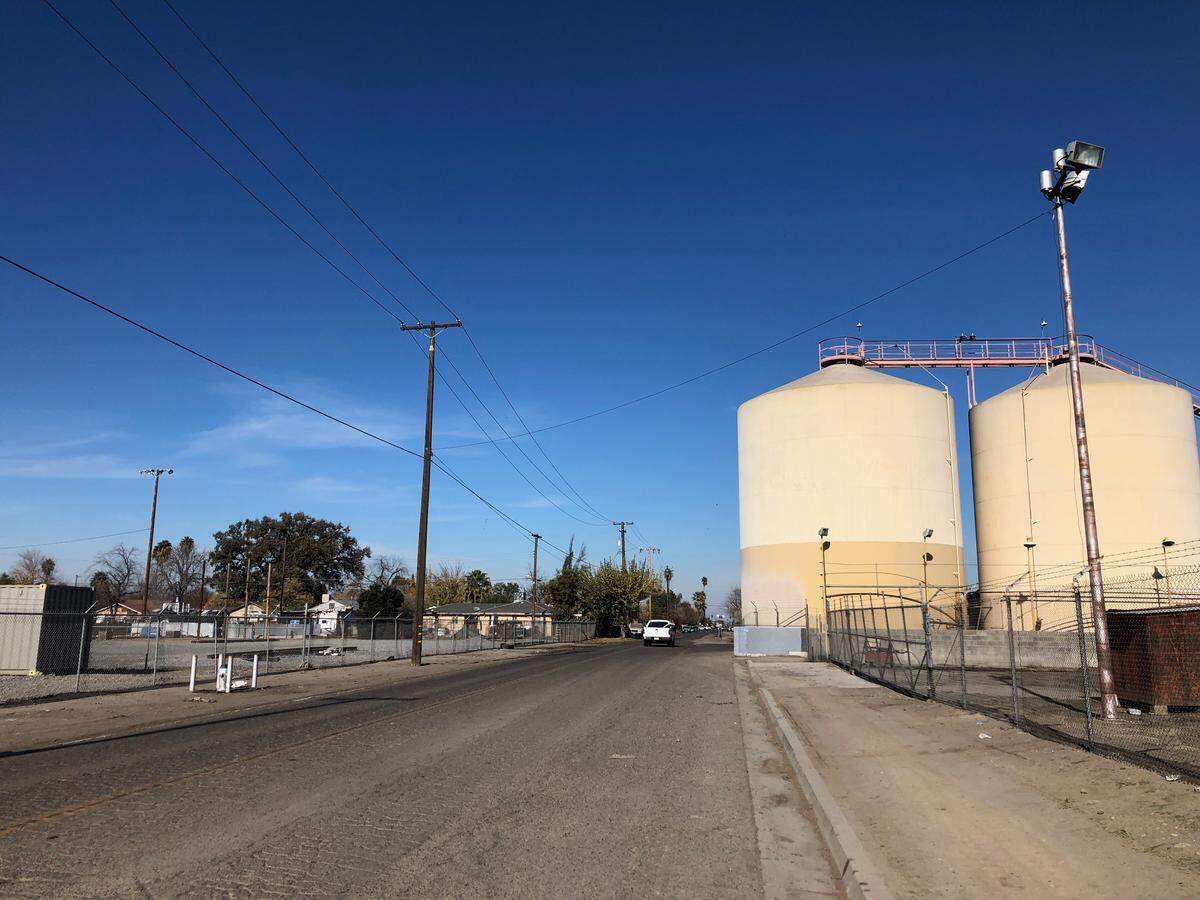
“Certain times of year, the whole place smells like garlic or onion, other times of year there’s just dust from that process that again floats down over that community. Those emissions don’t travel anywhere else. That’s not going to be picked up by the regional air monitoring system,” Hamilton said.
But advocates say there needs to be stronger systems in place to better understand the air. That stronger system could be up and running in the area within the next few months. Environmental advocates like Hamilton are awaiting new air monitors that will be installed in south central Fresno that should better capture the level and potential sources of pollution.
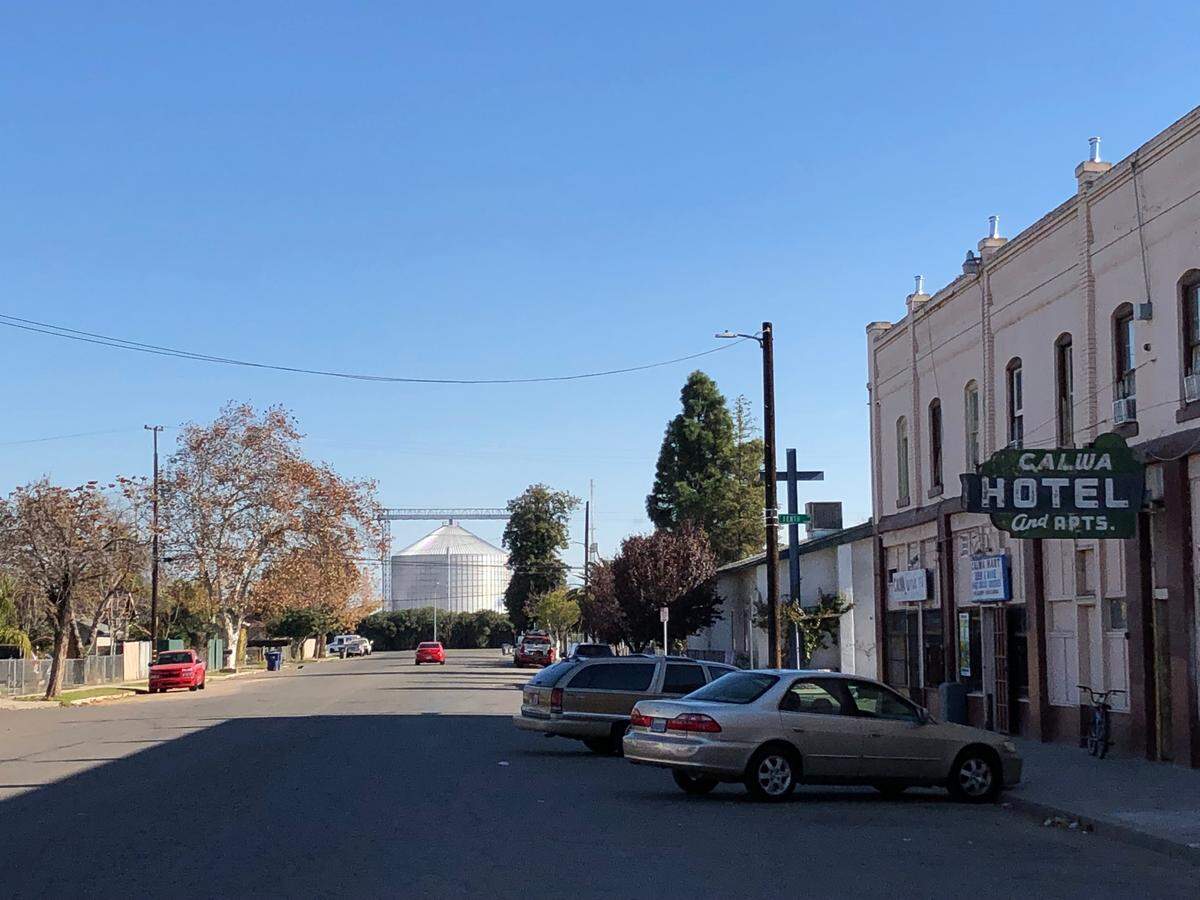
The monitors are part of a state law signed in 2017 that requires air monitors in areas that are highly exposed to toxic contaminants. The monitors will then send data to a state website so regional air boards can better assess the pollution and come up with strategies for businesses to reduce emissions.
Since pollution around Calwa and Malaga has not been consistently measured, Hamilton, a medical specialist, hopes the air monitors will help inform state officials and residents of the dangers of bad air and solutions.
“Sometimes you can smell it, sometimes you can see it, but from a regulatory standpoint ... you have to prove it’s there,” Hamilton said.
Bad air, bad health
Tania Pacheco-Werner, a research specialist with the Central Valley Health Policy Institute at Fresno State, said it’s no surprise communities like Calwa and Malaga experience higher levels of pollution.
Emissions from industrial and traffic corridors are trapped in the Valley due to geography and weather patterns. In some parts of Fresno County, microscopic particles, or PM2.5, reach the highest levels in the state. Plus, Pacheco-Werner said, there are few barriers to keep the pollutants away.
“What’s going down the (Highway) 99 in that particular area and all of the industrial triangles, most of the time, the wind pattern is going to take all of those emissions from both the 99 and the facilities into Malaga and Calwa,” she said.
As hospitals see patients for respiratory issues, some researchers say there could be some quick solutions. For example, human health in areas of high pollution could be improved if the air itself is improved, according to a conclusion from a study co-authored by aerosol scientists Nicholas Spada.
Spada, from the UC Davis Air Quality Research Center, said that counties in the southern San Joaquin Valley have a consistent trend of higher heart disease where there is higher air pollution. The finding came in a study published this year as part of an ongoing look at the Valley’s pollution.
Spada said researchers took death records to examine causes of death and paired them with pollution trends. Though no absolute link between pollution and heart disease exists, Spada said “the association was fairly consistent in all counties.”
Spada suggested the public would be served by learning about their environment. That way, he said, “living in an area with higher air pollution, (people) may start their medications sooner.”
Pollution higher in the winter
Valley pollution tends to spike in the winter. A severe episode was seen earlier this month when a pressure system trapped particles and created a thick fog. In the wintertime, hot air traps cold air in what is referred to as an inversion layer.
With no wind, the stagnant particles make for unhealthy breathing, according to meteorologists.
Oftentimes, fire season can add to the pollution as smoke combines with the other particles in the Valley, according to air experts.
But there have been fewer bad air days so far this winter, according to the latest measurements from the California Air Resources Board. Since November this year, only 13 days have exceeded federal standards for air quality.
Andrade said he wants to protect his family from bad air but feels frustrated he isn’t able “to do something about it.”
“I could complain,” he said, “and that’s what I’m doing.”
This article is part of The California Divide, a collaboration among newsrooms examining income inequity and economic survival in California.
This story was originally published December 30, 2019 at 9:00 AM.