
Are you an aggressive driver? Answer these questions in a self-assessment to find out
What makes driving so dangerous?
According to the National Highway Traffic Safety Administration, two out of three motorists will be involved in an injury related traffic collision during their lifetime.
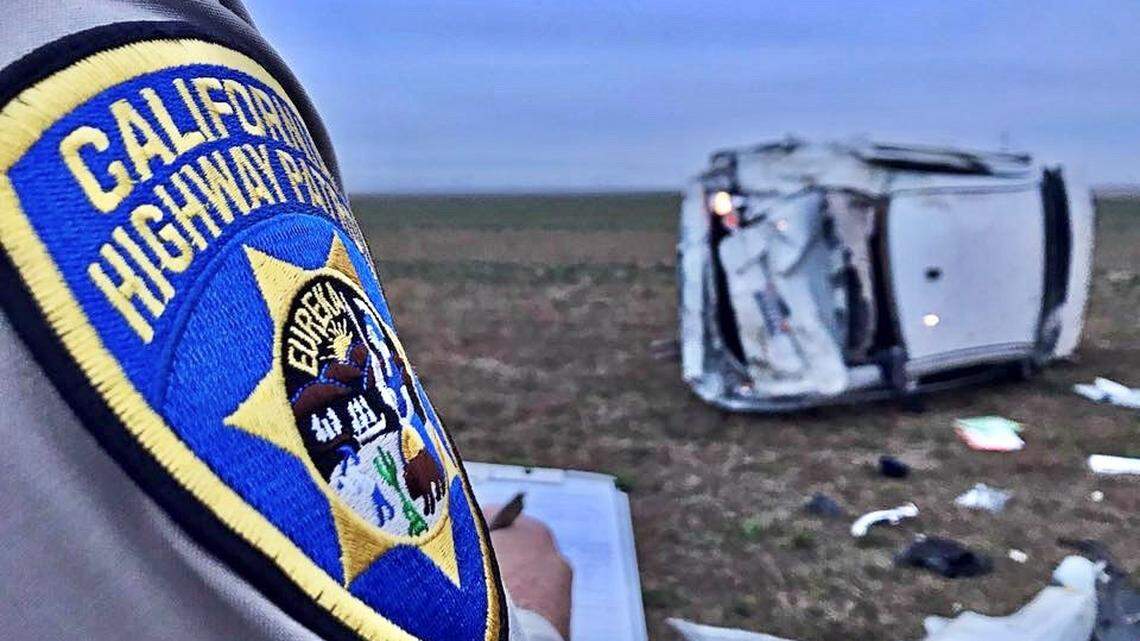
If you have been following the local news, you are aware that Highway 180 in the Fresno area has had some major traffic collisions recently. To accomplish the California Highway Patrol’s mission of preventing the loss of life and protection of property, we have increased the number of officers patrolling the Highway 180 corridor. However, maintaining the safety of our community is a team effort and the CHP needs your help. We must identify why these collisions are occurring to prevent them from happening.
Take this self-assessment of your driving habits to ensure you are not unknowingly increasing your odds of becoming a statistic:
▪ Do you consider yourself a good driver? Before you answer this question, do you at times become impatient and speed, even during inclement weather?
▪ Do you get upset when other cars travel below the maximum speed limit on the highway? Do you tailgate them in hopes they will move over?
▪ How often do you make lane changes? Is it frequent and do you unnecessarily squeeze in between cars to save a few minutes off your commute?
▪ How about stop signs? Do you come to a complete stop or do you roll through them? Do you yield the right-of-way to vehicles to your right or do you cut people off?
If this describes any of your normal driving habits, you are an aggressive driver. However, it is not too late to change the way you drive!
Make the decision to be a better driver. Often, aggressive driving is a direct result of being in a hurry. If you make the effort and allow yourself more travel time, you will see a dramatic decrease in your stress and anxiety. Please, come to a full stop where required and be considerate by allowing other drivers to merge onto the freeway when it is safe and practical.
When you are driving, be sure to only concentrate on driving! Eliminate the distractions created by your passengers and your cell phone.
And whatever you do, refrain the temptation of teaching someone “a lesson.” Once you engage in road-rage behavior, you are now in the misdemeanor zone. The difference between aggressive driving and road rage is intent to harm. If you slam on your brakes to teach a tailgater a “lesson,” you could be committing a serious crime. So, please don’t do it!
Here is how to avoid aggressive drivers. If you see an aggressive driver coming up fast behind you, don’t block the lane. When it is safe to do so, change lanes to your right, and let them travel past you. Stay calm! Avoid letting yourself get upset due to another person’s poor behavior.
Lastly, we ask that you always maintain a high visual horizon when driving. This means when you are driving you are not just focused on the vehicle directly in front of you — be sure to glance as far down the road as possible. By doing so, you will be able to react to a potential threat like a wrong-way driver much sooner.
It is the goal of the CHP to make sure we all arrive at our destinations, and not on the evening news.
This story was originally published March 29, 2019 at 4:54 PM.