Fresno’s racial wage gap has shrunk, but that hasn’t kept poverty at bay
Fresno County made significant strides, compared to other major U.S. metropolitan areas, in reducing income inequality across ethnic lines from 2007 to 2017 — a 10-year period that includes the Great Recession and its aftermath.
Yet relative poverty here also grew over that span, reflecting sluggish overall economic growth, productivity, job gains and lower wages.
The mixed bag of economic figures was part of a report issued Thursday by the Brookings Institution’s Metropolitan Policy Program.
The Metro Monitor report from the Washington-based think tank ranked the 100 largest metropolitan areas in the country on a range of economic growth factors and their changes over one-year and 10-year periods.
“If you look at Fresno within that decade, there was a lot of change, both positive and negative,” said Alan Berube, the report’s primary author and a senior fellow with Brookings.
“In many respects, the region isn’t doing a whole lot differently than it was a decade ago. That doesn’t mean it’s not headed in the right direction, but in relation to areas that are doing much better, Fresno isn’t.”
“Relative to a lot of metro areas, Fresno and much of inland California really took it on the chin” during the Great Recession, Berube added. “To the extent that the downturn was much sharper in Fresno and a lot of the Central Valley, the numbers reflect that dynamic.”
The Brookings report indicated that the gap in median income between whites and people of color shrank by about 18 percent from 2007 to 2017. In that category, that ranked Fresno 10th out of the 100 metropolitan areas nationwide included in the study, and tops among the 10 largest California metro areas.
Still, significant differences remain. “In 2007, the difference in median income between whites and people of color was about $20,000 a year,” Berube said. “By 2017, that had shrunk by about $3,500, to closer to $16,000, and that’s a reduction of about 18 percent.”
That remains a much larger gap than in many areas. “Directionally, the trend is good, but the level is still pretty pronounced,” Berube said. Because the figures consider all workers in the economy, Fresno’s figures may be skewed by workers in the agricultural industry who are typically working for much lower wages and working for only part of the year, he added.
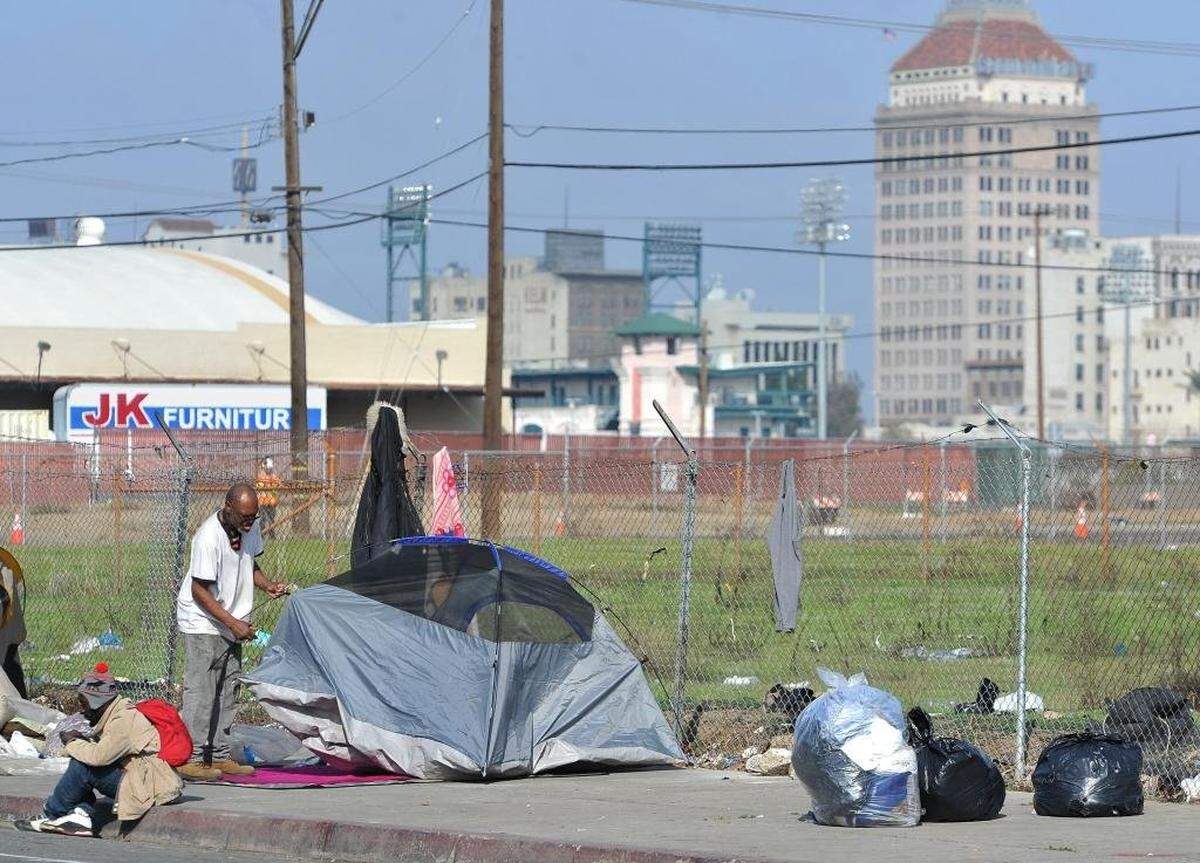
A 5.8-percent increase in the number of workers whose earnings are at or below poverty level – less than 50 percent of the annual median income for the Fresno area – ranked the county near the bottom of the national ranking in that category — 95th out of 100. That’s worse than all but five metro areas in the nation and behind the other nine California metro areas.
That increase, Berube said, is an indicator that modest growth in productivity, jobs and wages aren’t necessarily spreading evenly among all levels of wage earners.
“If you look back 10 years … Fresno ranks around the middle of the pack on growth, prosperity or quality of the growth, output, number of jobs,” he said. “At best, it’s been a middling performer over a decade’s time.”
“Because it was already a lower-wage economy, the lack of growth and the quality of the job growth has shown up in continued struggles with poverty, median earnings and the share of adults in employment,” Berube added.
Fresno County’s poverty rate in 2017 was estimated at 25.4 percent, according to the U.S. Census Bureau.
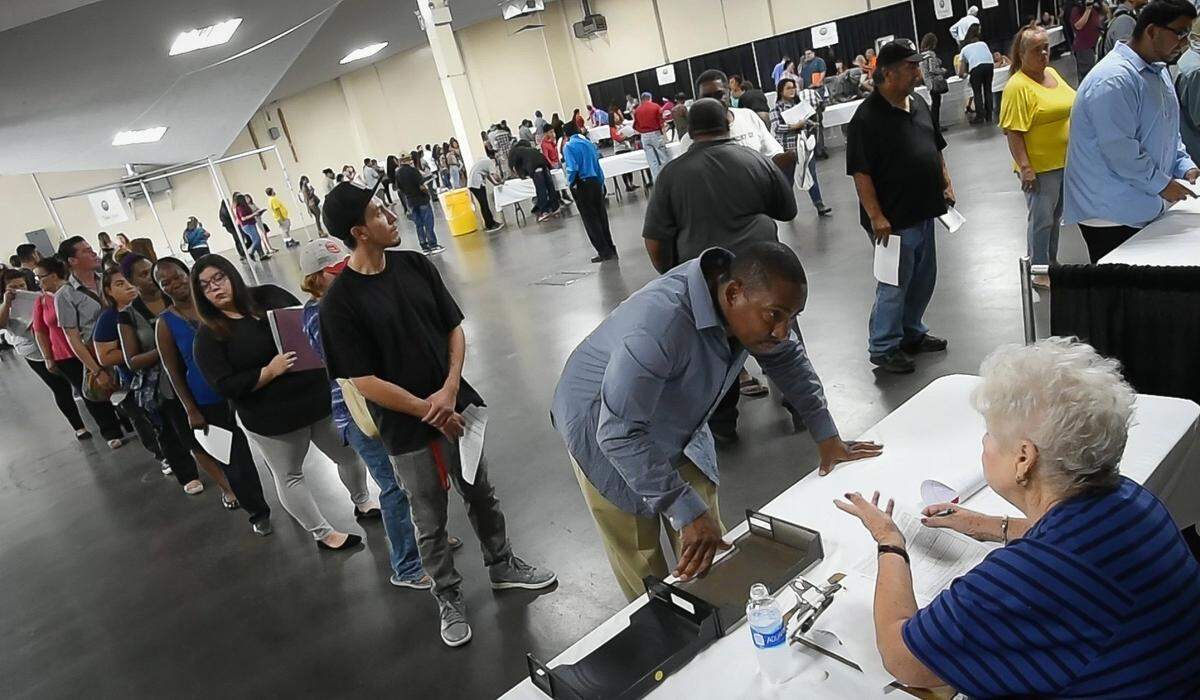
Brookings’ one-year assessment of economic indicators from 2016 to 2017, however, may hint at a potentially brighter trend in which Fresno ranks among the highest metro areas in the nation in the percentage change in median earnings and changes in the employment rate.
“If you look at median earnings, with a 7.6 percent jump, that’s one of the largest nationally,” Berube said. “What that reflects is about a $2,000 (per year) increase in the median. That’s lower than a lot of other places, but it’s significant and shows up as such a huge change because earnings have been so low” in Fresno.
While year-to-year figures can be volatile, “the trendline for Fresno is positive,” he added. “It’s going in the right direction.”
This story was originally published March 24, 2019 at 10:07 AM.