
California's process for allowing teens to drive is meant to keep them, and you, safe
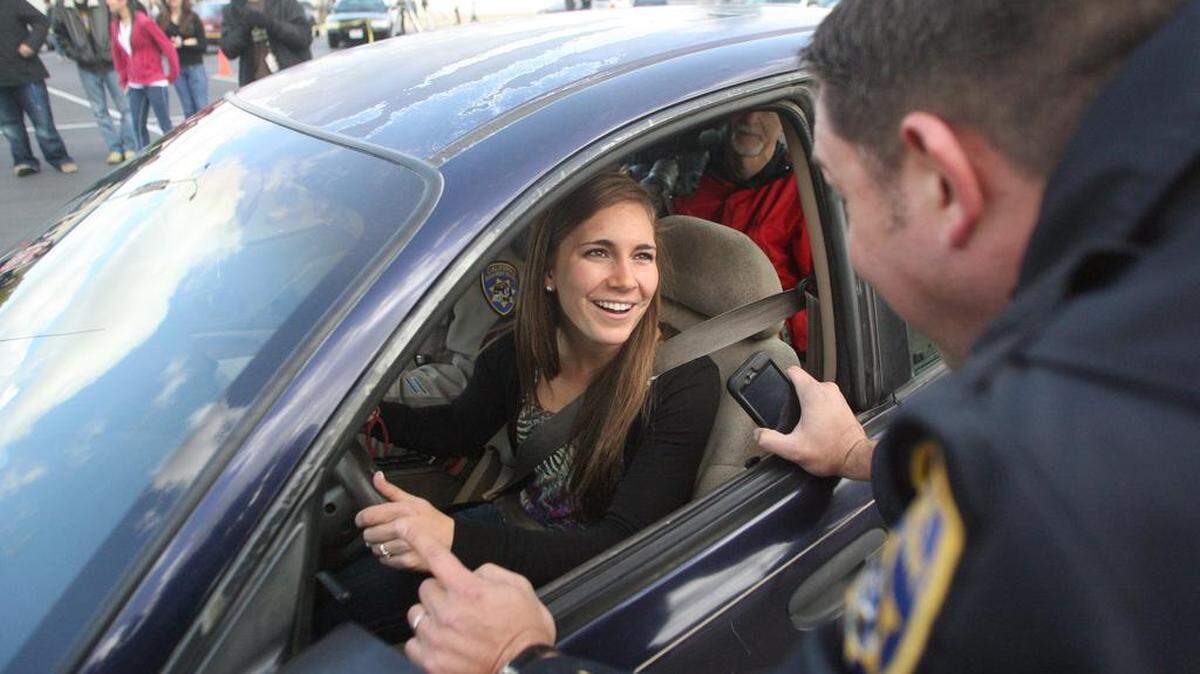
Do you have a teenage driver in your family? If so, odds are you are familiar with California’s Graduated Driver License Program. The GDL program was adopted by California in 1998 and is solely in place to help protect teen drivers as they gain experience behind the wheel.
As we know, safe drivers are not just born overnight. Statistics show drivers between the ages of 16 and 19 years old are nearly three times more likely than drivers age 20 and older to be involved in a fatal traffic collision. This is why insurance rates for teens are so high and why the CHP urges all parent and guardians to understand exactly how the GDL program works.
The GDL program consists of three phases. Phase 1 begins when a teen turns 15 and a half, which is when they can be enrolled in a driver education course. Phase 2 starts after the teen successfully completes a driver education course, passes a written exam and obtains a learner's permit. During phase 2 the teen, along with a parent, guardian or any licensed driver over the age of 25 must log 50 hours of driving, 10 of which must be at night. An additional six hours of driving with a professional driving instructor are also required.
Phase 3 begins when the teen successfully passes the driving test. I will never forget the excitement of receiving my provisional driver license on my 16th birthday. My parents quickly reminded me driving comes with obligations, responsibilities and consequences. There are quite a few restrictions in place for a provisional licensed driver to prevent the top reason teens get in traffic collisions. They include the following:
▪ No driving between the hours of 11 p.m. and 5 a.m. unless for school.
▪ No passengers under the age of 20 unless accompanied by a licensed driver age 25 or older.
▪ No cell phone or wireless communication devices while driving, hands-free or not.
Can a provisional licensed driver transport a sibling to and from school? California law allows a few exceptions for a provisional licensed driver, one being the necessity to drive with an immediate family member. If this is the case, a note signed by the parent(s) or legal guardian(s) is required, stating the reason and a probable end date of the necessity to drive the immediate family member. Other exceptions are medical need, driving for a school activity, or needing to drive on the job.
A driver’s first year behind the wheel is one of the most dangerous times in their life. Parents/guardians must make a commitment to work closely with their teens to manage their driving experience and set a good example. It is important we all remember driving is not a right, it’s a privilege. Failing to follow the GDL program can result in a traffic citation which carries a fine. Automobile collisions have been the leading cause of death for American teens for generations. As parent/guardians, the least we can do is follow the GDL program and provide our young drivers with as much training as possible.
CHP Officer Robert Montano can be reached at rmontano@chp.ca.gov. For more from the CHP Central Division, go to the division’s Facebook page.
This story was originally published May 20, 2018 at 2:00 PM with the headline "California's process for allowing teens to drive is meant to keep them, and you, safe."