
Valley Children's doctors combat opioid crisis by prescribing carefully
Two-year-old Ramiro “Gino” Padilla has already endured more physical pain than many experience in a lifetime.
The Modesto boy went from seemingly perfect health one afternoon to being unable to move his limbs. He was diagnosed in January at Valley Children's Hospital with transverse myelitis, a neurological disorder that impedes movement because of damage to the spinal cord.
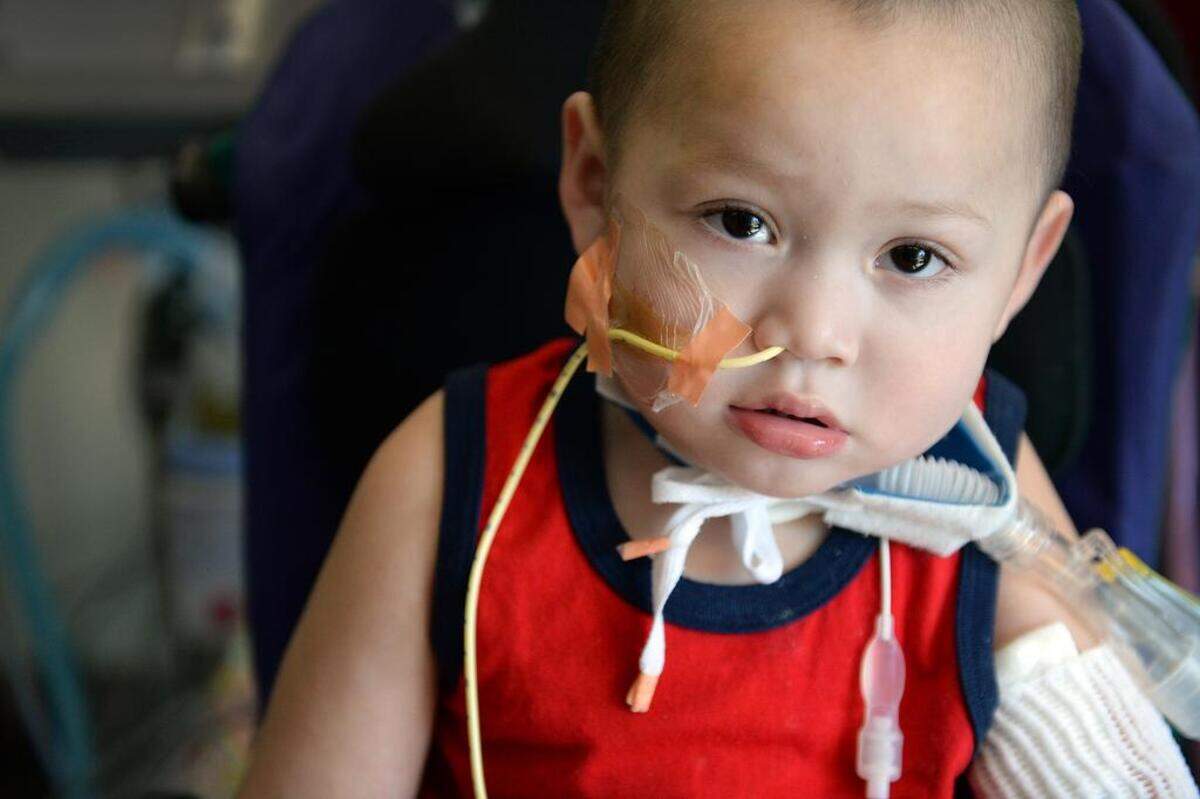
After fighting for his life in an intensive care unit, Gino now faces another challenge as he continues to heal. Doctors at the hospital just north of Fresno are weaning him off large doses of pain medication as his health improves so he doesn’t become addicted.
Far more children are treated for addiction locally than other California counties. Of all children in a county-sponsored program for addiction statewide, around one in five are treated in Fresno County, according to data from the Department of Behavioral Health.
The dangers of addiction have become increasingly apparent in recent years. President Donald Trump declared the “opioid crisis” a national public health emergency in October. The following month, the President’s Commission on Combating Drug Addiction and the Opioid Crisis released a report highlighting the tragedy of drugs killing more than 175 Americans every day.
“Many of the deaths that are occurring stem from users abusing – intentionally or unintentionally – prescription painkillers,” said Katherine Anderson, principal staff analyst for the Fresno County Department of Behavioral Health. “Oftentimes patients may become addicted, which can lead to the use of street drugs such as heroin.”
Doctors now grapple with how to alleviate suffering without prescribing so much medication that it puts a patient at greater risk of addiction. At Valley Children’s Hospital, doctors work to prevent this from happening by recommending other methods when they can to address pain, including physical therapy, acupuncture, acupressure, and simple techniques like distraction – such as allowing a patient to play a computer game on an iPad to keep them calm during a procedure. These methods are growing in use and importance.
“I think in the last few years, most certainly, I’m seeing this talked about, embraced more,” said Deonna Villegas-McPeters, co-chair of Valley Children’s ethics committee and director of its social work services and interpretive services.
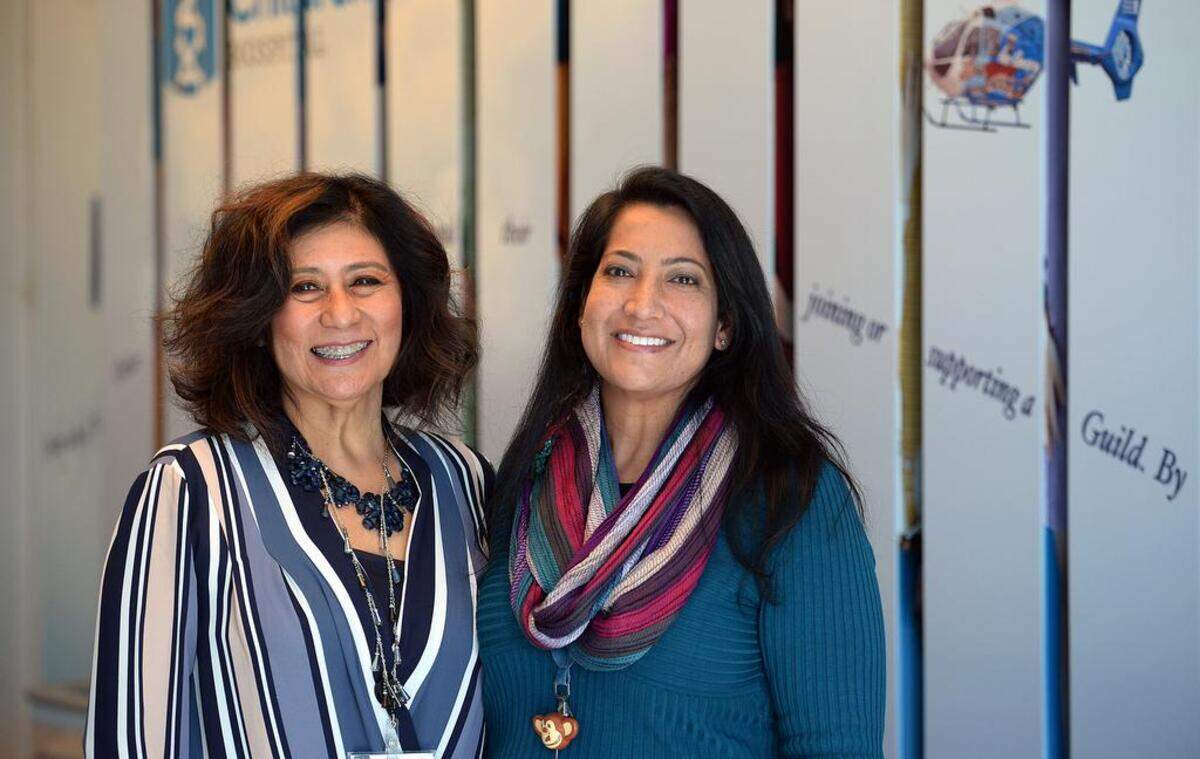
Educating patients and parents is also key. Some older patients at Valley Children’s are allowed to administer small amounts of pain medication themselves while hospitalized, said Neepa Ved, a complex care pediatrician at Valley Children’s and former chair of its ethics committee.
“We try to use opioids discretely,” Ved said. “They are good for acute pain, pain as a result of trauma, surgical pain, but opioids are not great for chronic conditions. Sometimes they can be helpful in the short term. So we do our best to teach parents and families when it’s most appropriate to use these medications and how best to come off these medications so that the risk of dependency is much less.”Valley Children’s wasn’t able to provide data for this story regarding how many patients are treated for addiction. The hospital doesn’t have a drug rehabilitation program, but it monitors children suffering from addiction and ensures they are in stable condition before referring them to an outside agency. Fresno County funds nine programs that help children suffering from addiction – and supports numerous schools offering services like counseling – but no inpatient residential treatment beds for children suffering from addiction. Anderson said the county has a proposal to add that service, but hasn’t entered into an agreement with a provider yet.
There were 1,984 children in a county-sponsored program for addiction of 10,496 children treated for addiction statewide – around 19 percent of all cases – during fiscal year 2016-17 (July 1, 2016 to June 30, 2017).
Of children treated for addiction in Fresno County, 63 percent used a drug for the first time between the age of 12 and 14. Twenty-one percent used for the first time between the age of 15 and 17, and 16 percent used for the first time before they were 12.
The top drugs reported as a primary drug of choice for youth in Fresno County are marijuana/hashish (77 percent), alcohol (11 percent), and methamphetamine (3 percent). Drugs that could be considered prescription pain medication make up less than half a percent, but the data reports only the favored drug of choice, not what drugs children used first – often referred to as “gateway drugs.”
“Narcotic pain medication should only be used, for a brief course, when severe acute pain exists,” said Dawan Utecht, director of the Department of Behavioral Health. “More conservative options should always be attempted before narcotics are used. As a parent, I would always ask if there are any other options, particularly after the acute, severe pain stage is passed. These options could include non-steroidal anti-inflammatory drugs (such as Aspirin, Advil and Motrin), ice/heat, physical therapy and rest.”
This story was originally published March 6, 2018 at 7:10 AM with the headline "Valley Children's doctors combat opioid crisis by prescribing carefully."