Covered California targets uninsured Latinos in rural Central Valley
AI-generated summary reviewed by our newsroom.
- Covered California targets uninsured Latinos in rural Central Valley.
- Advocates prioritize community outreach and trusted messengers to enroll.
- Loss of enhanced tax credits could nearly double premiums for 1.7M Californians.
Healthcare advocates and Cover California officials want to make sure rural communities’ fears and concerns about the current immigration climate do not become an obstacle to getting access to health care coverage.
“We’re in a really difficult time because we have a federal administration that really is impacting access to health care, and I’m really worried about the loss of funding that will cause more people to go without care,” said Genoveva Isla, executive director of Cultiva La Salud. “And what that means is that more people will continue with pain, with disability and unfortunately predictable loss of life.”
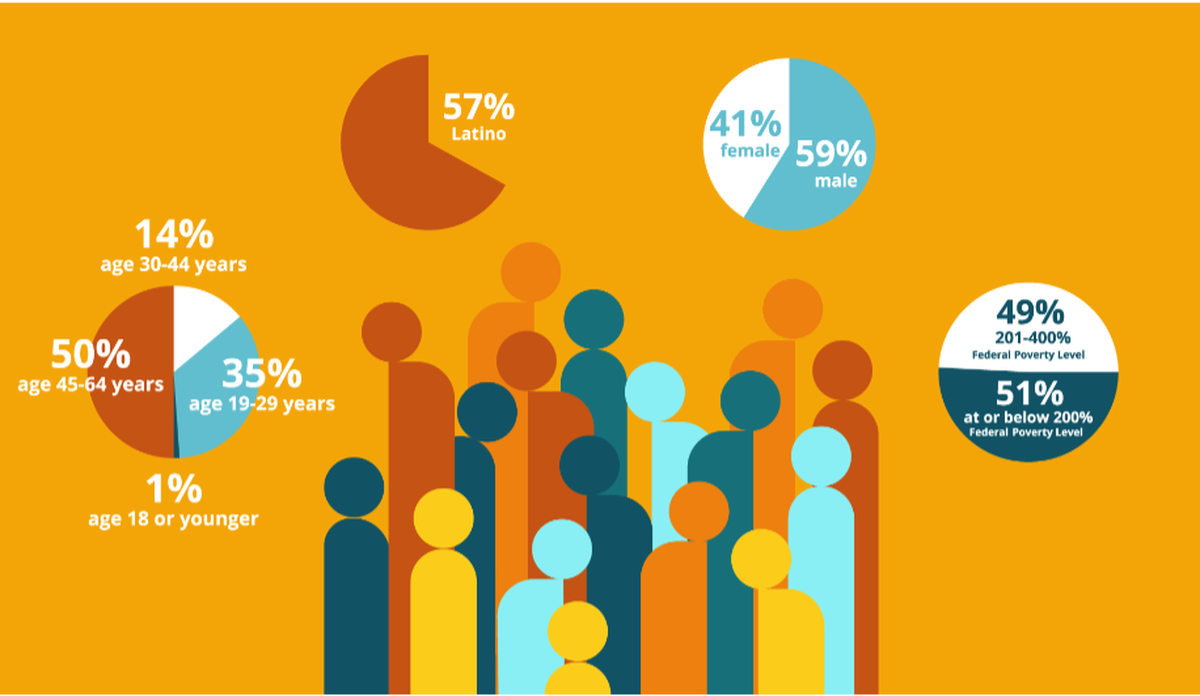
Among the 508,000 uninsured Californians eligible for Covered California coverage, 57 percent are Latino, and 50 percent are 45-64 years old.
“Our Latino communities have need, and we want to try and feed it. I also want to recognize that there are a lot of fears, a lot of concerns, and that those are found in this moment when it comes to immigration and actions by the federal government,” Jessica Altman, executive director of Covered California, the state’s health insurance marketplace.
“We are laser focused on trying to reach Californians that continue to go without coverage and connect them to the health care that they need and deserve,” said Altman.
Margarita Rocha, executive director of Centro La Familia Advocacy Services said when reaching out to immigrant communities in the Valley the message and language is important especially ensuring that it comes from a trusted source.
“We as community based organizations are critical to do the reach, what I call the in reach to families that potentially are eligible for Covered California and or other programs, and that they hear it from the people that they actually that live in the same communities that they live in,” Rocha said.
The Patient Protection and Affordable Care Act, also known as Obamacare, has helped tens of millions of people access health insurance, since its inception in 2014. More than 24 million Americans are insured through a marketplace plan, which in California is known as Covered California.
People can sign up for, renew, or shop for a new health insurance plan during open enrollment period which runs through Jan. 31, 2026 at CoveredCA.com or call Covered California directly at (800) 300 -1506.
To ensure coverage for all of 2026, consumers must select a health plan by Dec. 31.
The enhanced tax credits are set to expire at the end of this year without Congressional action and was the key point of debate in the recent federal government shutdown.
Without an extension of the Enhanced Premium Tax Credits, monthly premiums are projected to rise by 97 percent on average for more than 1.7 million Californians enrolled and receiving financial assistance through Covered California.
Across the Fresno area, enrollment has increased more than 27 percent over the past four years, following the introduction of the Tax Credits, according to Covered California.
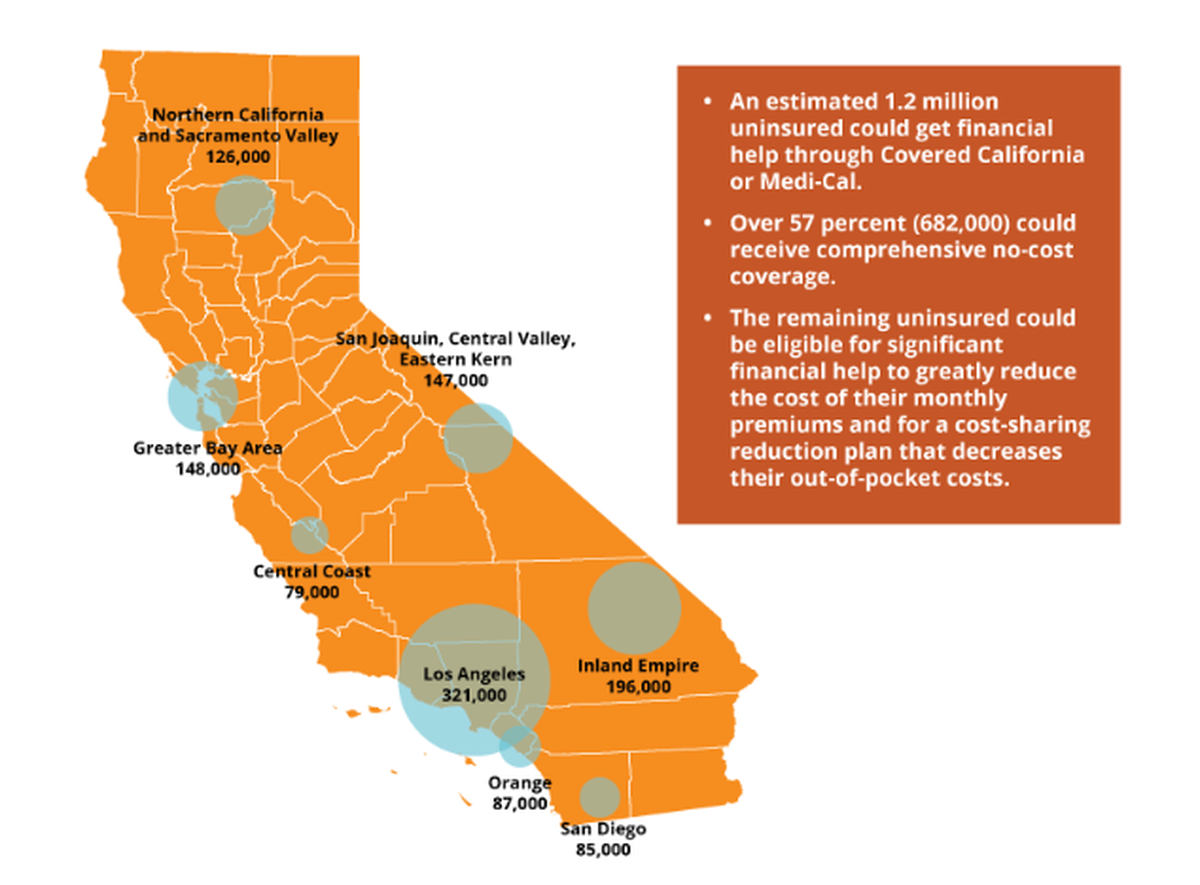
In the Central Valley area, there are 147,000 uninsured Californians who are eligible for Covered California subsidies (61,000) or no-cost Medi-Cal coverage (87,000).
This story was originally published December 30, 2025 at 9:46 AM.