Valley Latinos lose out on state’s disability services. These initiatives bridge the gap
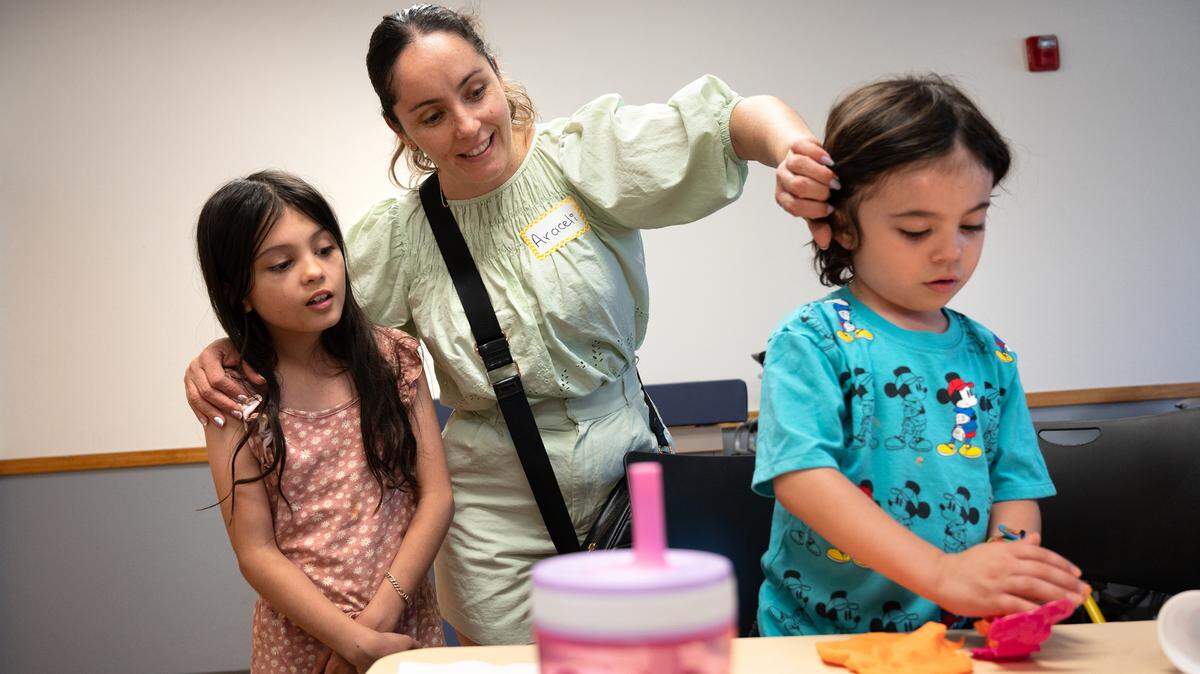
Araceli Ramirez felt lost when her 5-year-old son Abraham was diagnosed with autism two years ago. The Modesto-area mother of four didn’t know much about the disorder or how to get her son help.
“I felt like, ‘What do I do now? Where are the resources?’” Ramirez said in an interview. “Estaba desesperada,” she said. “I was at my wit’s end.”
It wasn’t until Ramirez discovered a nonprofit called Escuchen Mi Voz, which means listen to my voice, that she got the services her son needed. A community health worker with the nonprofit helped her with the “complicated, difficult and tedious” processes to enroll her son in the therapy and recreational classes he’s entitled to under state law.
“I was unaware of all that,” she said.
Ramirez’s situation is not uncommon. Rather, it is emblematic of Latinos’ disproportionate access to disability services statewide.
Nonprofits like Escuchen Mi Voz are among the dozens of state grant-funded initiatives that try to bridge these gaps, sometimes in inventive ways, like dispatching mobile offices to rural Central Valley communities to assess and enroll people who require services.
But it’s unclear how effective these initiatives may be. Disability rights advocates say the initiatives, alone, don’t address root causes of the inequitable access to services. Part of the challenge, they say, is that the state’s publicly-funded, privately-operated disability service system has a lot of discretion to set their own rules and interpretations of state law.
“While these grants have enabled many community-based organizations to undertake worthy projects in their local areas, at the end of the day, their effectiveness in addressing racial disparities has been limited,” said Vivian Haun, a senior policy attorney for Disability Rights California, an advocacy nonprofit.
California’s disability service system
California serves people with disabilities through its 21 regional centers – a system of contracted private nonprofits that reports to the Department of Developmental Services.
These $14 billion regional center systems provide assessment and offer case management services for eligible children and adults with developmental and intellectual disabilities, of which there are an estimated 400,000 statewide, according to The Sacramento Bee.
But recent media reports, watchdog groups, and a state audit have raised questions about the system’s effectiveness and transparency. The Los Angeles Times reported there is nearly $1 billion in unspent funding for disabled Californians. The Little Hoover Commission, an independent oversight group, called it “a system in distress.”
These reports also highlight stark disparities in who is accessing services through the system: Latino clients make up the largest share of California’s Regional Center clients, yet they receive significantly less funding per capita than other racial and ethnic groups, The Sacramento Bee reported.
Mobile center serves rural Valley Latino communities
These disparities are clear in the Valley, where the Central Valley Regional Center spends about one-third per year on Hispanic individuals compared to what it spends on White clients.
CVRC staff and disability advocates said the reasons for this gap in services are complex. There are several barriers facing the Central Valley’s Latino community from language barriers, to geography, to financial challenges and cultural taboos. Sometimes, they just don’t have the time and can’t miss work.
“If we had one answer, we would have solved the problem a long time ago,” said Rosario Palacios, an outreach specialist with CVRC.
In an effort to close the equity gap, the center launched a mobile outreach program in 2022 called “Regional Center on Wheels.”
Once a month, the center visits the rural communities of Avenal, Pixley and Mendota located in Kings, Tulare, and Fresno counties to conduct onsite intake and assessments.
“These families would have otherwise taken the whole day off and used a whole day’s wage to pay for transportation to and from Fresno for services,” said Natasha Ambriz, a cultural diversity specialist with CVRC.
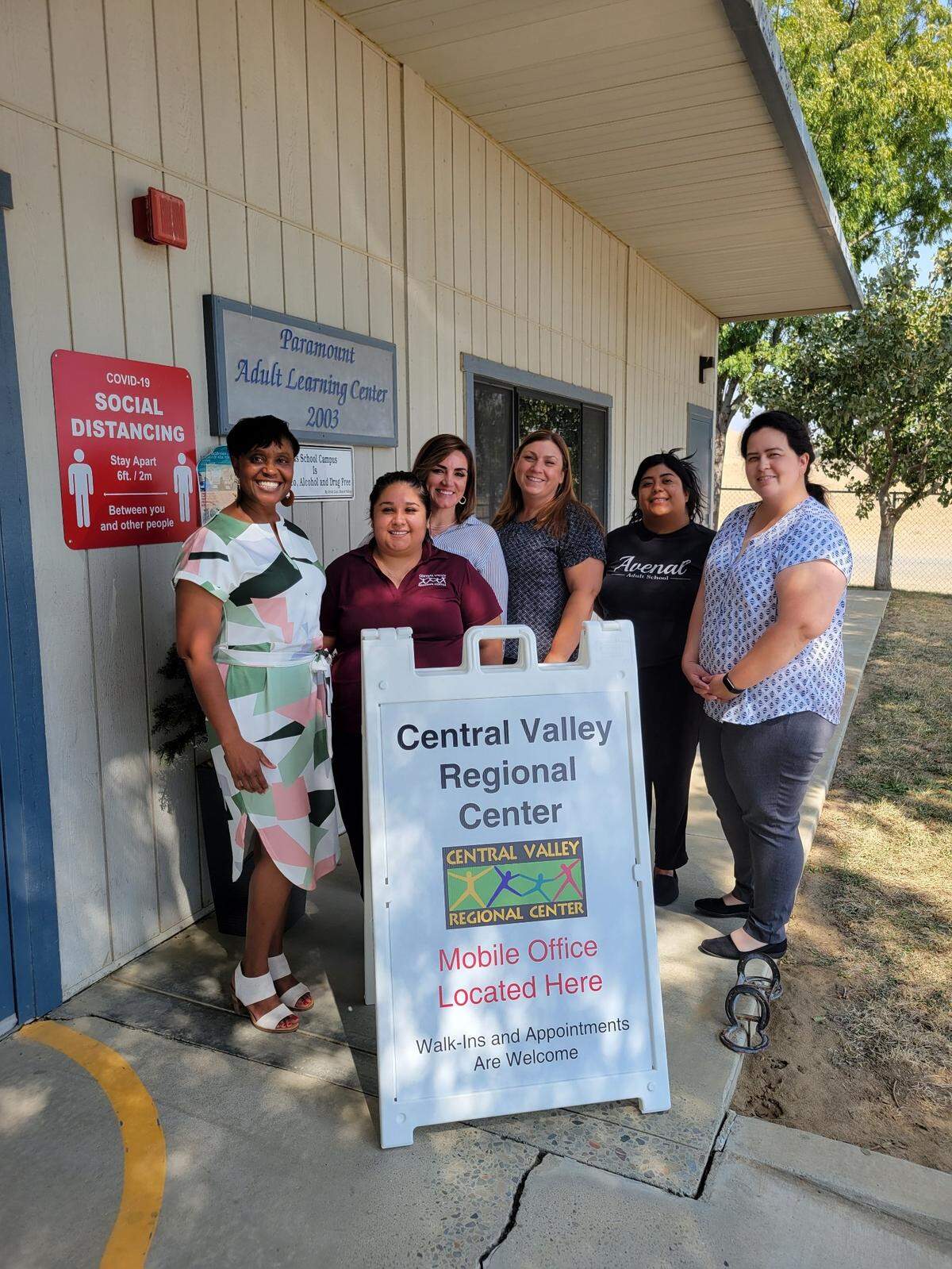
Ambriz said the center partners with a trusted local community group and sends out bilingual staff to meet with families. CVRC is the only regional center in the state doing this kind of rural outreach, she said.
One of the goals of this outreach in rural, Latino communities is to combat misinformation and distrust of public institutions.
“Some people think if you start using services, the government can take your child away,” Palacios said.
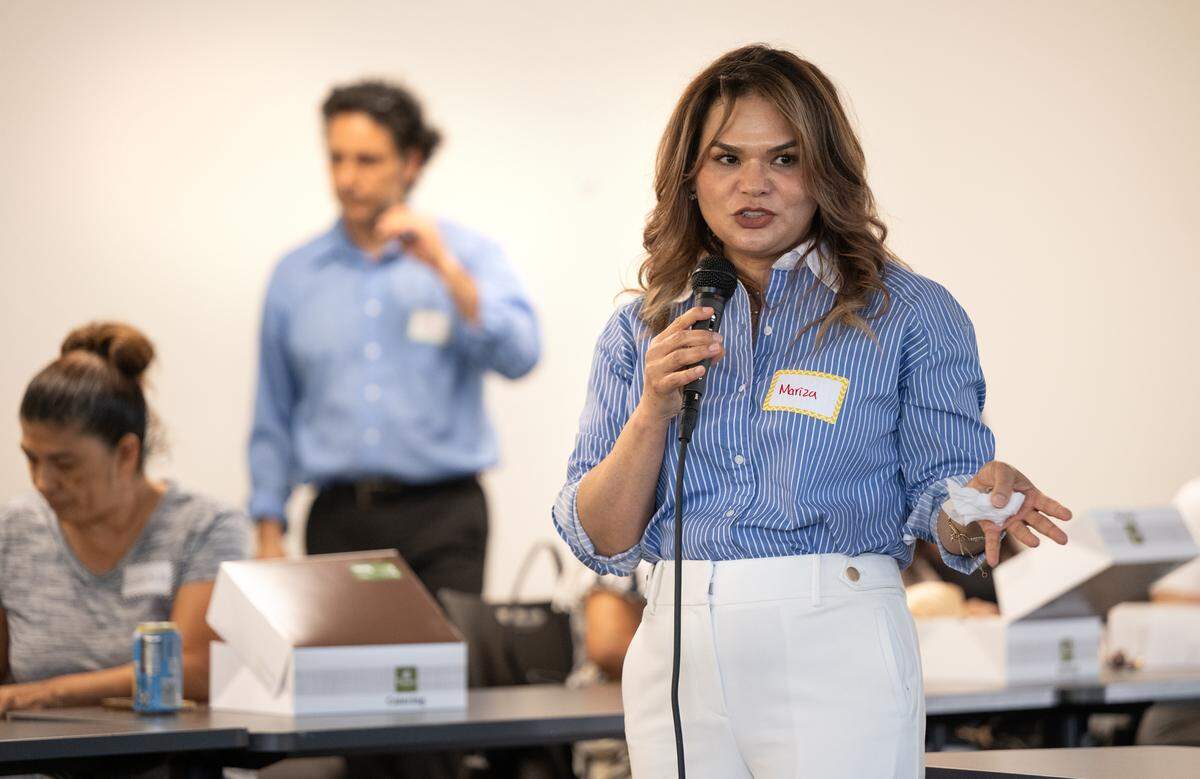
Mariza Ochoa, founder of Escuchen Mi Voz, said that one of the first hurdles to improving Latino access to regional center services is helping them overcome the emotional shock of a diagnosis, as well as cultural taboos around mental and physical disabilities.
But most of all, she thinks bureaucratic barriers present huge roadblocks for families. That’s why her organization provides one-on-one guidance in Spanish to parents that need help filling out paperwork to get their children with disabilities enrolled in programs like Supplemental Security Income, Medi-Cal and other services.
“We essentially hold their hands,” Ochoa told The Bee.
Families like the Ramirezes often have to wait months for service approval. Therapies for 5-year-old Abraham are “extremely expensive,” and it isn’t always clear what the regional center or insurance will cover.
Since regional centers are a “payor of last resort,” state law requires people with disabilities to exhaust other “generic” resources first, such as those offered by school districts, Medi-cal or private insurance.
“It’s a huge battle,” Ramirez said.
State-funded equity programs have mixed results
Both Esuchen Mi Voz and CVRC’s regional center on wheels program are funded by the state as part of an annual $11 million equity grant program launched in 2016. The program funds projects aimed at improving equitable service access for individuals with disabilities from different ethnic, racial, and linguistic groups to “get the same access to services as everyone else.”
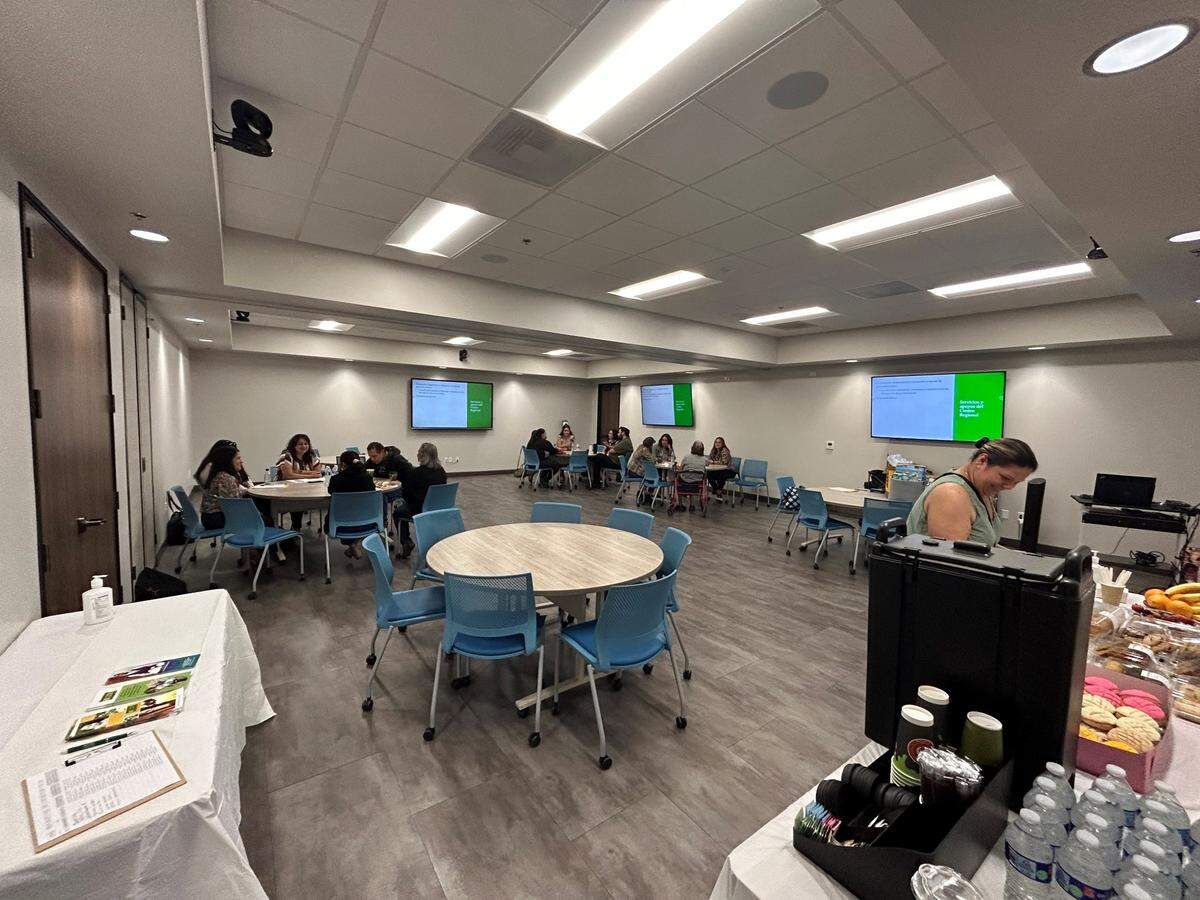
Whether these state-funded programs will move the needle remains to be seen.
A June 2024 evaluation of the grant program conducted by Georgetown University found that some investments in these direct interventions helped improve service utilization and early assessment for target underserved groups. Some programs, like parent training and advocacy, however, “do not show a direct impact on reducing disparities.”
For Disability Rights California, these outreach programs can be helpful on a more immediate, case-by-case basis, and the organization recommends scaling successful projects system-wide and more funding to ensure lasting impact.
But for Haun, the bigger issue is that each regional center gets to set its own service approval and denial rules (typically referred to as purchase of service policies or service standards). The concern is that without consistent policies statewide, individuals served by the state’s 21 centers could have inconsistent access to services.
Haun also said there needs to be more root cause analysis of how certain policies might be having unintended consequences for specific groups.
Ramirez is still trying to get her son Abraham in therapy with the help of Escuchen Mi Voz. She regularly attends the group’s emotional support sessions to connect with other parents in similar situations. But for now, she’s grateful to the organization for helping her secure recreational services like swimming and horseback riding for her “hyperactive” son.
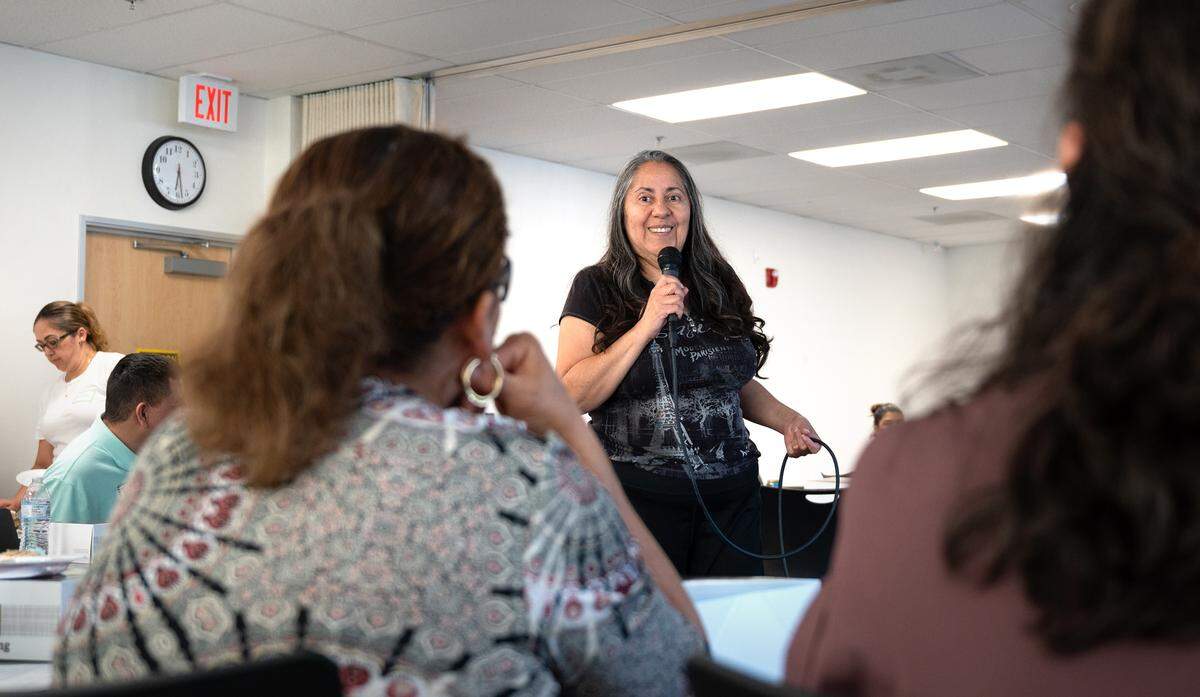
“For me, this group has been very important because they have given me the support that I was really looking for,” she said. “The truth is that they are like a light at the end of the tunnel.”
This story was originally published November 4, 2024 at 8:57 AM.