Poor air quality and job loss. Coronavirus a double-threat to Fresno area, groups say
Fresno-area environmental advocates say they fear efforts to lower pollution standards could harm Valley communities that already struggle with respiratory issues, and now, coronavirus-related financial trouble.
In the wake of the pandemic’s economic destruction, business interests including Western Growers and the Truck and Engine Manufacturers Association penned a letter to state authorities calling for easing environmental regulations they say make business more difficult. State leaders, including the governor, signaled that wouldn’t happen any time soon.
Veronica Garibay, co-executive director of Leadership Counsel for Justice and Accountability, said now is not the time to loosen regulations. She said doing so would disadvantage communities even more at a time when they face pressures from the virus and persistent environmental challenges.
“This is a time for decision-makers and leaders to double down on their investment to disadvantaged communities,” Garibay said. “They should think long and hard of the consequences of the actions they take today.”
Fresno gets ‘F’ for air quality
The uncluttered streets and highways and clear view of the giant Sierra Nevada are a welcome sight for residents in the central San Joaquin Valley who are used to being choked by bad air. But some fear it’s only a temporary break from the usual air contamination.
Cities like Los Angeles have seen some of the best air in years in recent weeks as traffic has slowed in the wake of the state’s shelter-in-place order to keep residents from spreading the coronavirus. The Valley, however, consistently faces dirty air, even in its cleanest time of the year, like spring.
The American Lung Association in its annual State of the Air report rated the Fresno area with an “F” for ozone and particulate matter pollution. The association reported that smokers and those under 18 are most at-risk to severe outcomes from air pollution, as well as those with asthma and pulmonary disease.
“People’s respiratory systems are always under attack” (in the Valley), said Evan Shipp, a private air consultant and former pollution meteorologist at the San Joaquin Valley Air Pollution Control District.
Shipp and other experts say it’s still too early to tell whether the slight dip in air pollution from vehicle traffic will make a difference in the Valley’s long-term air quality. But he said any break in bad air is helpful, especially as researchers are beginning to form a connection between bad air and COVID-19, the respiratory disease caused by coronavirus infection.
Researchers from Harvard University this month published a study that found a 15% increase in death rates related to COVID-19 in populations who are exposed to higher pollution. The study, which has been submitted for peer review, suggests that public health officials enforce air pollution regulations to protect people “both during and after the COVID-19 crisis.”
Miriam Shipp, a public health physician, said that the continued need for more testing and contact tracing could help address the virus’ impact on vulnerable communities and the effects of pollution on respiratory diseases. Miriam Shipp and Evan Shipp are related.
“You can’t just look at ‘let’s get a vaccine,’ which we need,” Miriam Shipp said. “We have to look at all the things that continue getting us sick.”
Short-term help, long-term issues
Many of the people living the Valley’s most polluted areas are also the same people most affected by the economic downturn caused by the pandemic-related shutdown, according to Nayamin Martinez, executive director of the Central California Environmental Justice Network.
The state’s CalEnviroScreen website tracks environmental pollution. Martinez said many families living along the most polluted Valley areas on the state’s map are now also facing unemployment, paycheck cuts, and eviction fears.
“As hard as it was for them, now these other dimensions have been added to their lives,” Martinez said. “The data was already there. I think this pandemic is just highlighting those realities.”
Some hard-hit families are expected to get cash aid of up to $600 through a fund set up by several Valley organizations for groups that include undocumented immigrants, farmworkers and low homeless residents.
The financial assistance is small compared to a family’s long-term needs, advocates say. There are also additional questions about how the state will address climate issues long term, said Pedro Hernandez, a spokesman for Audubon California, a California conservation organization.
He said environmental groups recognize issues like housing and income are longstanding problems that make living through a health crisis harder. Some agencies have provided relief by delaying payments for utilities or rent, and the state has issued delays to evictions for those most affected by the pandemic.
And as a slight dip in air pollution shows what could be, Hernandez said authorities need to do more to curtail pollution, especially among vulnerable communities.
“Right now, the benefits are short term,” Hernandez said. “Even if we are getting (pollution) reductions right now, we are still not at the levels we need for reliable air.”
Climate activism grows
Environmental groups in the Valley are also recognizing the moment as a time to organize around climate issues. Some, like the Fresno Sunrise group, are convening online meetings to grow their membership and promote their message.
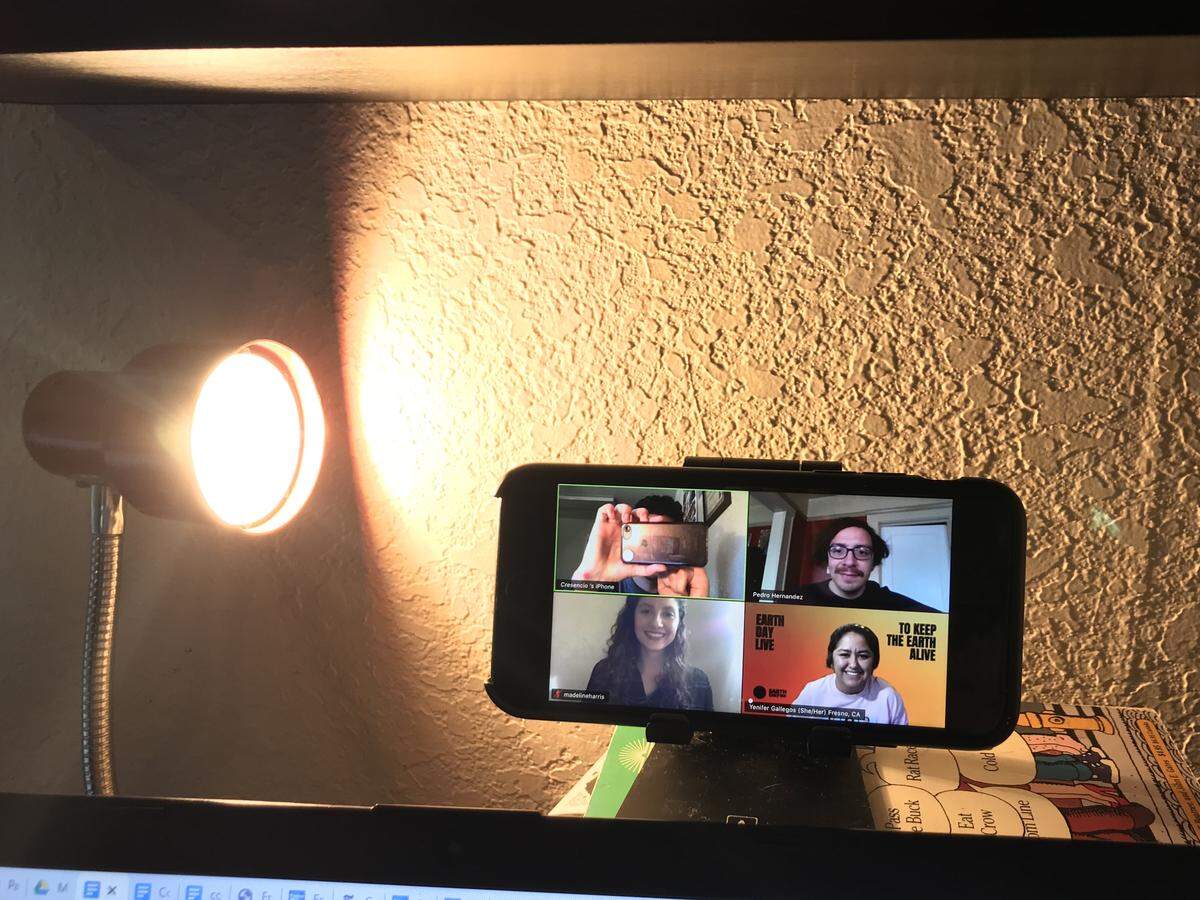
The Sunrise group, a local chapter of the national environmental rights organization made up of mostly young volunteers, has rallied around policies like the Green New Deal. The clean jobs policy platform could transform the Valley if its measures are implemented, says Madeline Harris, policy advocate with Leadership Counsel for Justice and Accountability and Sunrise coordinator.
Harris said the policy, which has gained national attention, would address Valley pollution sources like agriculture and oil, by diversifying the industries with renewable energy jobs.
Harris said falling oil prices in recent weeks are an indication that industry is “volatile and not dependable” and more efforts are needed to ramp up green energy technologies.
“It shows that we could do better,” Harris said.
Cresencio Rodriguez-Delgado is a reporter with the Fresno Bee. This article is part of The California Divide, a collaboration among newsrooms examining income inequity and economic survival in California.