Yosemite search and rescue team saw ‘record high’ number of incidents in 2025
2025 was “another standout year” for the elite search-and-rescue team at Yosemite National Park, supporters said, with rescuers responding to a record number of incidents, supporters said.
Yosemite Search and Rescue is one of the busiest search-and-rescue teams in the United States, according to Friends of Yosemite Search and Rescue.
“Each year, our team responds to an extraordinary range of missions, from big wall operations and extended litter carry-outs to remote terrain to alpine, rock, snow, ice and swiftwater rescues,” Friends of Yosemite Search and Rescue said in its January newsletter.
In 2025, Yosemite Search and Rescue “sustained an exceptionally high operational tempo,” the newsletter said, with “aviation-supported incidents reaching a record high.”
The search-and-rescue team also saw “a significant increase in short hauls,” which involve transporting one or more people suspended under a helicopter, Friends of Yosemite Search and Rescue said, and “technical rope rescues” were up as well.
How many people did Yosemite Search and Rescue help in 2025? Here’s what to know:
What does Yosemite Search and Rescue do?
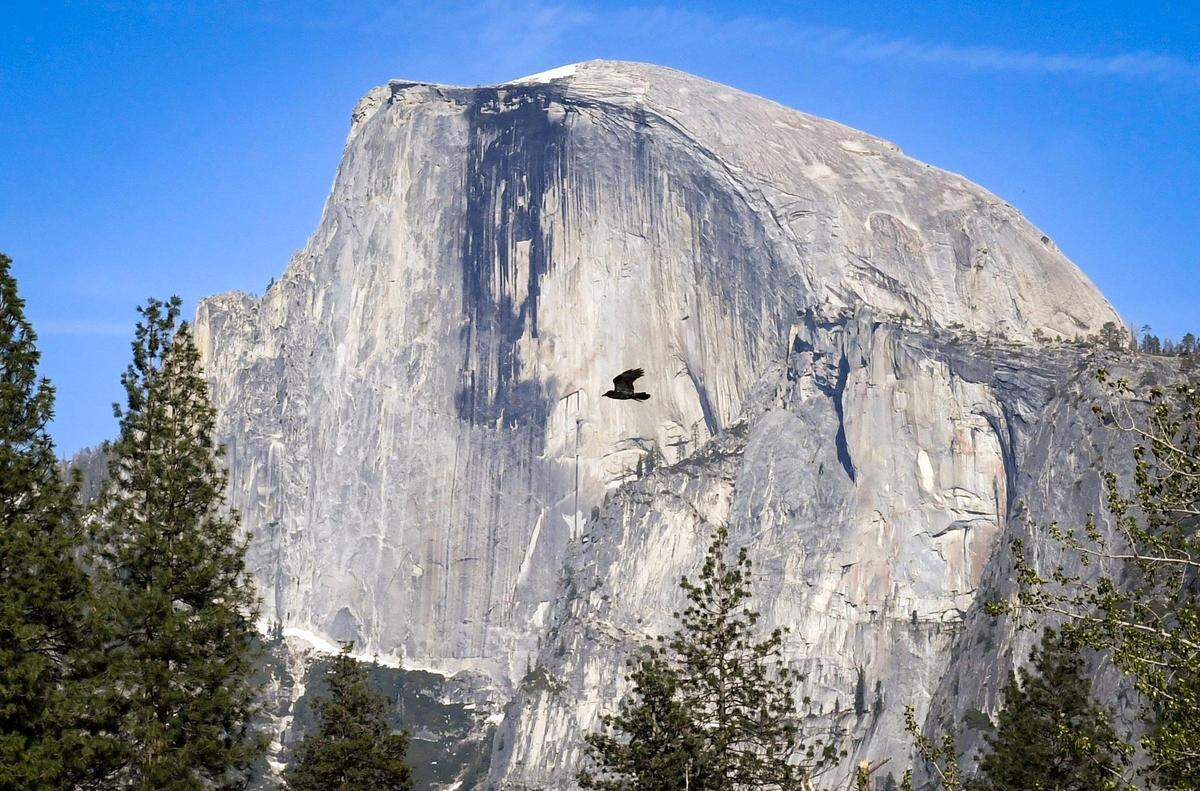
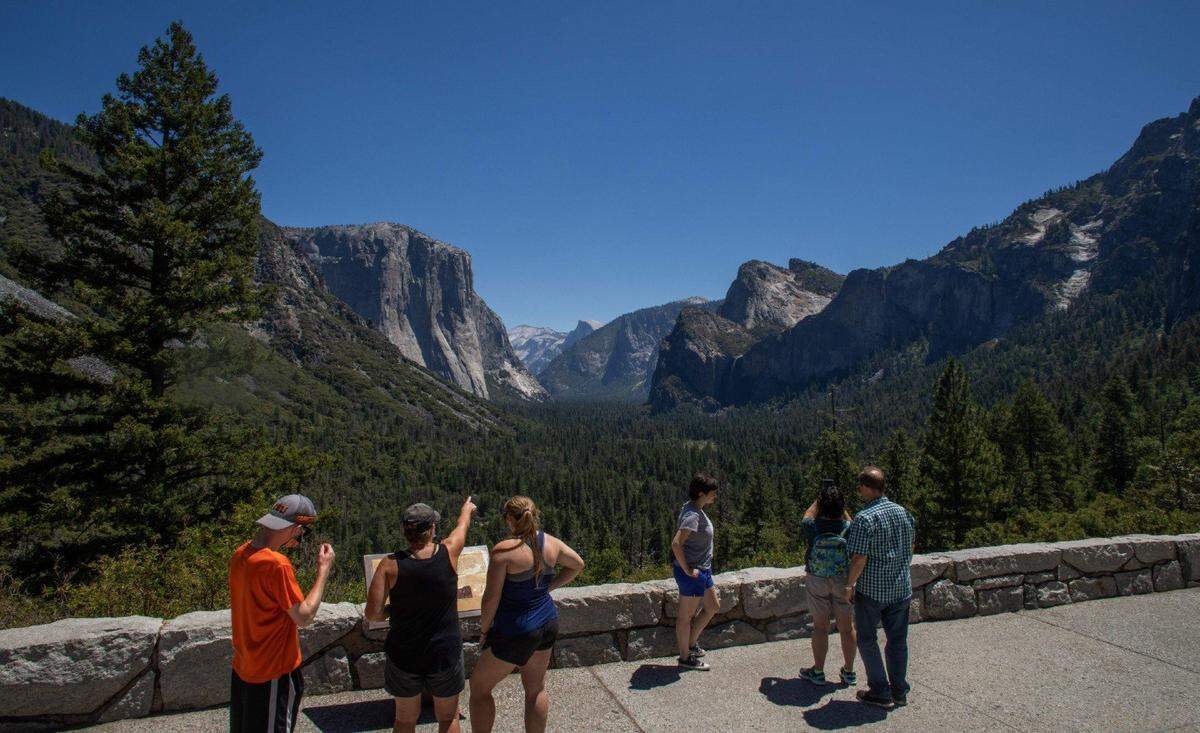
Widely considered one of the best national parks in the nation, Yosemite National Park features waterfalls, meadows, giant sequioas and granite cliffs spread across 748,542 acres.
The popular park attracted about 2.9 million visitors over the summer of 2025 — a 7% increase from 2024, when park rangers reported 2.7 million visits during the same time period, The Fresno Bee reported previously.
Yosemite Search and Rescue was established in the 1960s to “respond to emergencies that occurred in the park,” according to the National Park Service website.
The team is composed of park rangers, climbing rangers, clinic staff, paramedics and Helitack firefighters, as well as skilled volunteers, Friends of Yosemite Search and Rescue said in the newsletter.
Incidents at national park rise to nearly ‘20-year high’
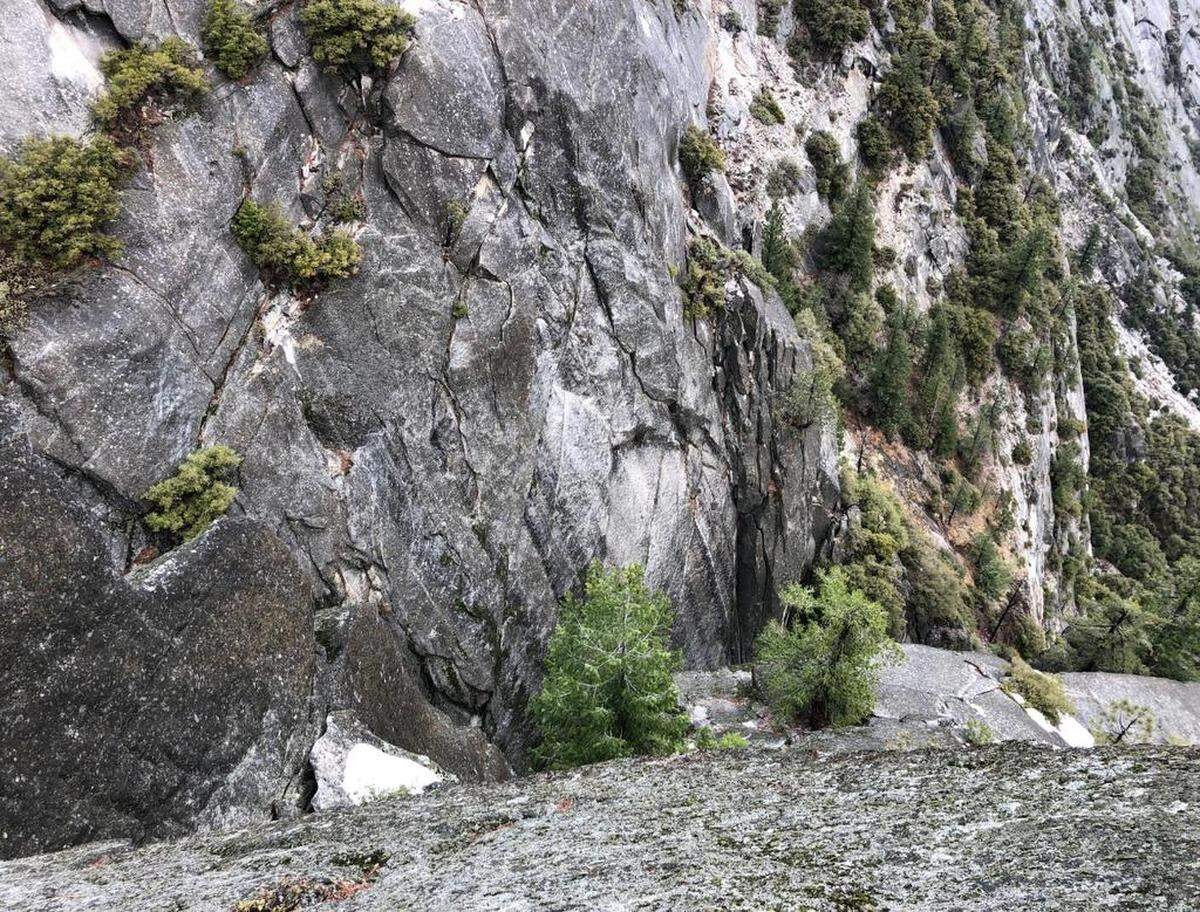
“Total incident volumes rose to a near 20-year high” in 2025, Friends of Yosemite Search and Rescue said in its newsletter.
Yosemite Search and Rescue responded to a total of 247 incidents at Yosemite National Park in 2025, compared to 191 total incidents in 2024, according to the latest data available.
Of those, 105 were “major” incidents — defined as those costing supporters and park visitors more than $500.
According to the newsletter, the team completed 18 technical rope or climbing rescues and three multi-day search-and-recovery operations in 2025, finding the people who were missing each time.
In October, Yosemite Search and Rescue helped a climber who fell onto a ledge high up on the vertical granite face of El Capitan, The Bee previously reported, hoisting the injured man to a rescue helicopter.
How many deaths did rescue team respond to?
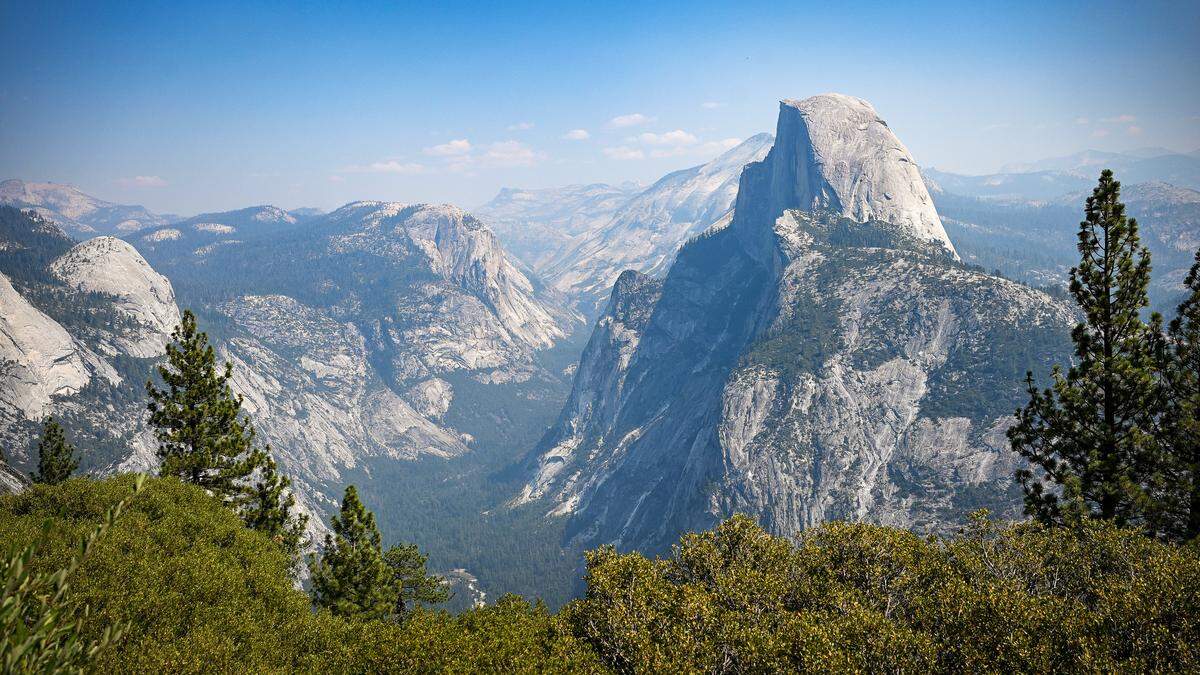
Yosemite Search and Rescue responded to 13 deaths in 2025, including eight accidental deaths and four from natural causes including heart attacks and preexisting health conditions.
One of the deaths was the result of suicide, Friends of YOSAR said.
Accidental deaths increased from the previous year, but all other types of deaths decreased.
So did the total number of deaths.
Yosemite Search and Rescue recovered nine bodies in 2025, and partnered with other groups for rescue missions outside the park’s boundaries 10 times, Friends of YOSAR said.
In 2025, there were a total of 51 missions involving aircraft, including California Highway Patrol helicopters, according to Friends of Yosemite Search and Rescue.
There were 40 incidents involving firefighters transported by helicopter, 19 short-haul flights out of the backcountry, four CHP helicopter hoist missions and eight helicopter rappels, the organization said.
“While many outcomes were truly lifesaving, it remains difficult to quantify exactly how many lives were saved,” Friends of Yosemite Search and Rescue said.
“Every year, Yosemite’s entire EMS team shows up with skill, grit and compassion to help others on their hardest day,” the group added. “Their commitment, professionalism and willingness to respond in the most demanding terrain is what makes these rescues possible.”
What are most common rescues at Yosemite National Park?
So far in 2026, Yosemite Search and Rescue has responded to a total of 13 major incidents, according to the Friends group.
“High-profile climbing accidents and technical short-hauls get the most attention,” Mecia Serafino, Friends of Yosemite Search and Rescue’s director of outreach and digital content, previously told The Bee.
However, these aren’t the most common kinds of rescues Yosemite Search and Rescue handles, Serafino said.
According to the Friends group, these were the five most common reasons Yosemite visitors needed rescuing in 2024:
- Lower-extremity injuries from slips and falls while hiking
- Dehydration and exhaustion
- Getting lost, stranded or other off-trail trouble
- Water hazards such as slippery granite or swift currents
- Falls from heights or technical climbing mishaps
The organization didn’t share information about the most common reasons people required rescues in 2025
How to stay safe while hiking, climbing in Yosemite National Park
Many rescues are the result of people failing to adequately prepare for their outdoor adventures, such as taking time to acclimate to higher elevations before going on a hike, Serafino prevously told The Bee.
The organization shares news of rescues on social media in hopes that others will learn to be more prepared and avoid making the same mistakes, she said.
Visitors should always check the weather and be mindful of swift waters and slick ground, especially around waterfalls, she said.
“Those are the types of things that people don’t think about — common things that you wouldn’t think are the most hazardous, like walking around on unstable ground and twisting your ankle,” she said in December. “Be aware of your surroundings if there’s snow in the forecast. Bring a compass if you can, learn how to read a map and let people know where you’re going and when they should expect you to be back.”
Serafino recommended using Friends of Yosmite Search and Rescue’s Trip Planning Tool, a Google form that provides rescue teams with visitors’ information and trip plans prior to their arrival in the park.
Visitors can also send a copy of the form — which includes the phone number for dispatch — to their emergency contact to share information about the trip, what they’re wearing and other details with dispatchers.
The tool is free to use and can be used for locations outside of the park as well, she said.
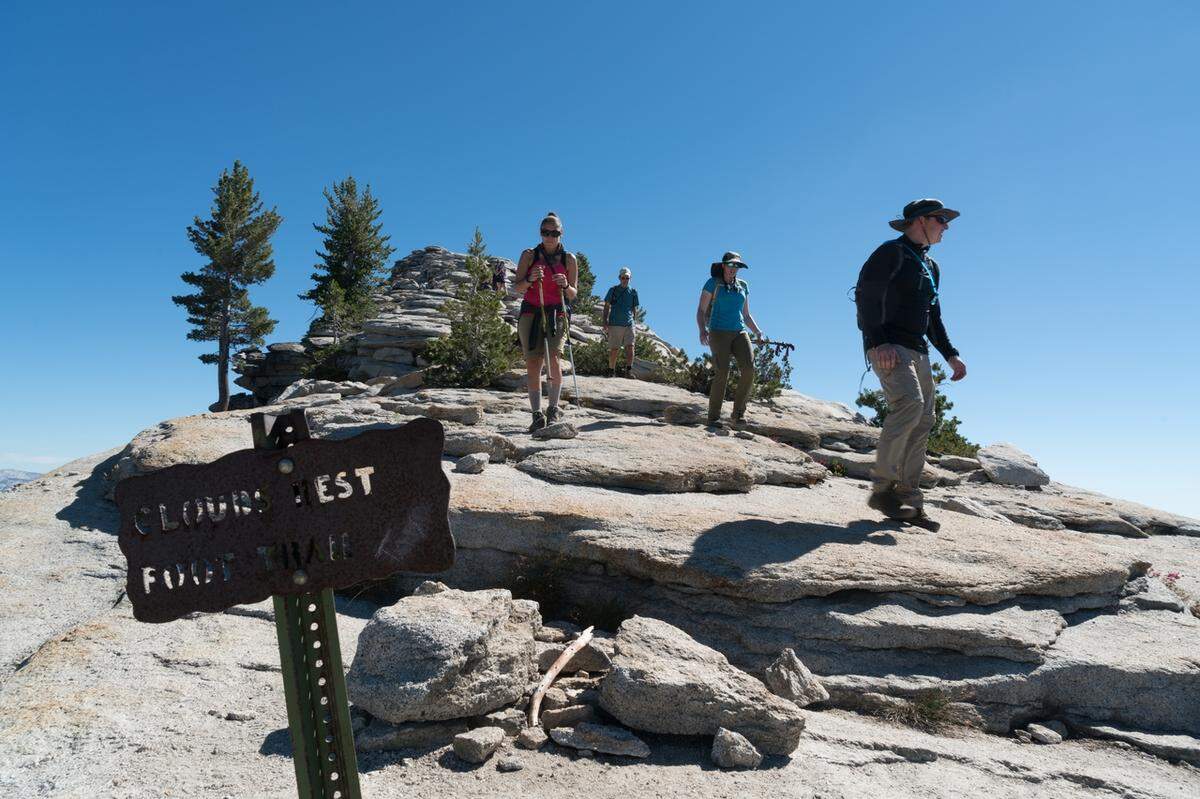
What should I take on a hike or climb?
The National Park Service says there are 10 essentials you should take before setting out:
Navigation: Pack a map, compass and a GPS system. Study your route beforehand and understand how to use the tools.
Sun protection: Sunglasses, sunscreen and a hat can help protect your skin and eyes from ultraviolet rays.
Insulation: A jacket, hat, gloves, raincoat and thermal underwear can prepare you for rapidly changing weather conditions.
Illumination: Pack a flashlight, lantern and headlamp, as well as extra batteries.
First-aid supplies: Have a first-aid kit on hand while hiking. Check the expiration date on items before you pack them.
Fire: Matches and a lighter can help start fire to act as an emergency signal in times of need.
Repair kit and tools: Duct tape, a knife, screwdriver and scissors can be helpful if items break during your hike or you need assistance.
Nutrition: Pack an extra day’s worth of food in case something goes wrong.
Hydration: Drink water often and before you feel thirsty if you’re hiking in hot weather.
Emergency shelter: Packing a tent, space blanket, tarp and bivy can help if severe weather breaks out or your plan takes a turn.