American Lung Association is OK with smoke from prescribed forest burns. Here’s why
A new report from the American Lung Association supports prescribed burning as a tool to reduce wildfire fuel.
The practice has been hindered in part by concern that the smoke could bother vulnerable people. Some of them live in the Central Valley, one of the most polluted regions in the nation.
The report said the health risk is outweighed by the benefits of intentional burning, which thins out fuel that could erupt into a much smokier inferno.
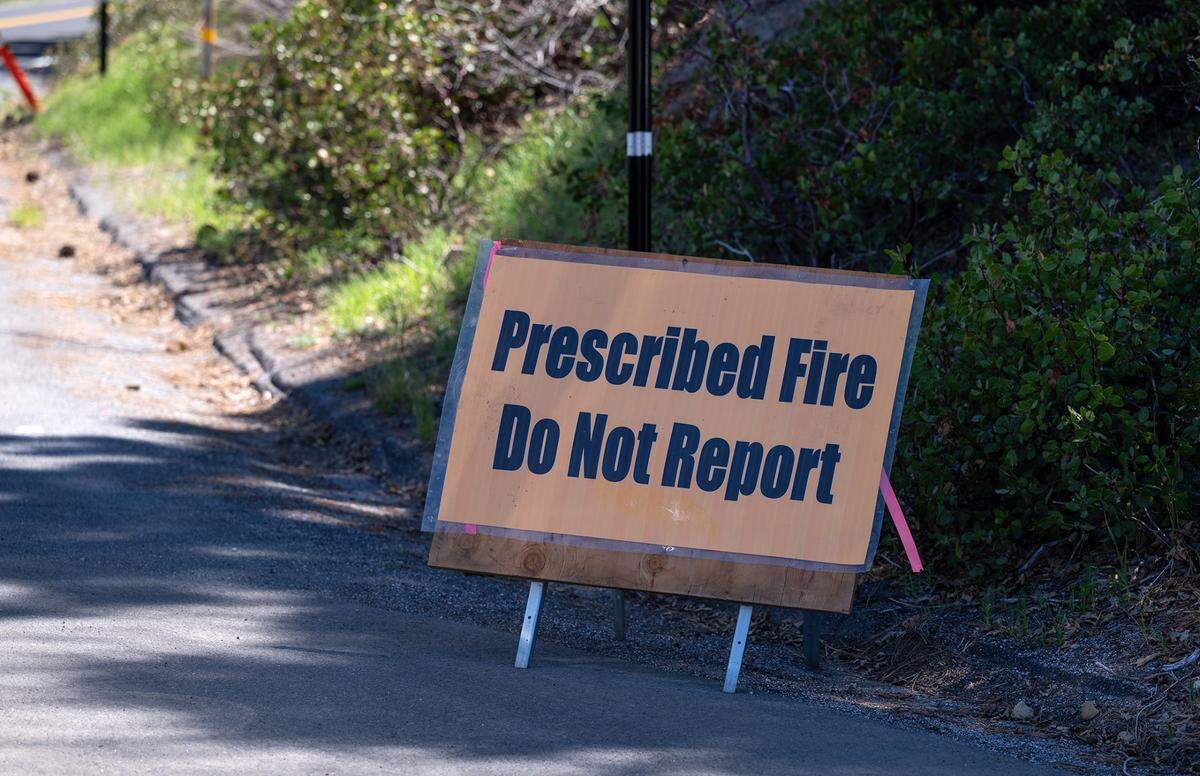
The Lung Association weighed in at a time when prescribed fire is gaining ground as a way to reduce overly dense fuel in the Sierra Nevada and elsewhere. Logging and other measures can also be part of this.
The report was compiled by PSE Healthy Energy, a nonprofit based in Oakland, and released Wednesday, June 8.
The Lung Association did not have a position on prescribed fire before commissioning the report, spokesman Bo Smith said in an email to The Modesto Bee.
The report cautions that it should be done only when conditions are right: Don’t burn when the wind might blow smoke toward populated areas, or if the vegetation is so dry that the flames might escape the control lines.
Indigenous people and lightning have long sparked low-intensity fires that kept the forest under-story open. A century-plus of suppressing just about every blaze has contributed to the dense conditions.
Good smoke, bad smoke
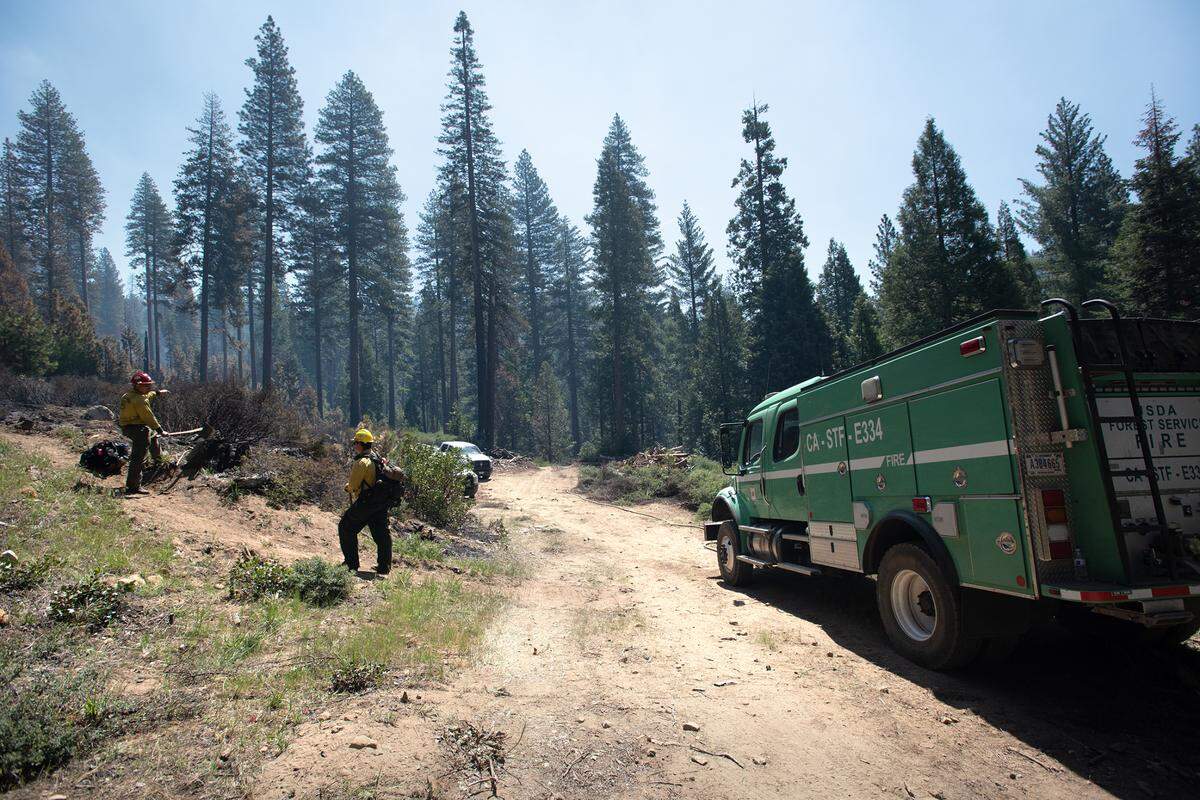
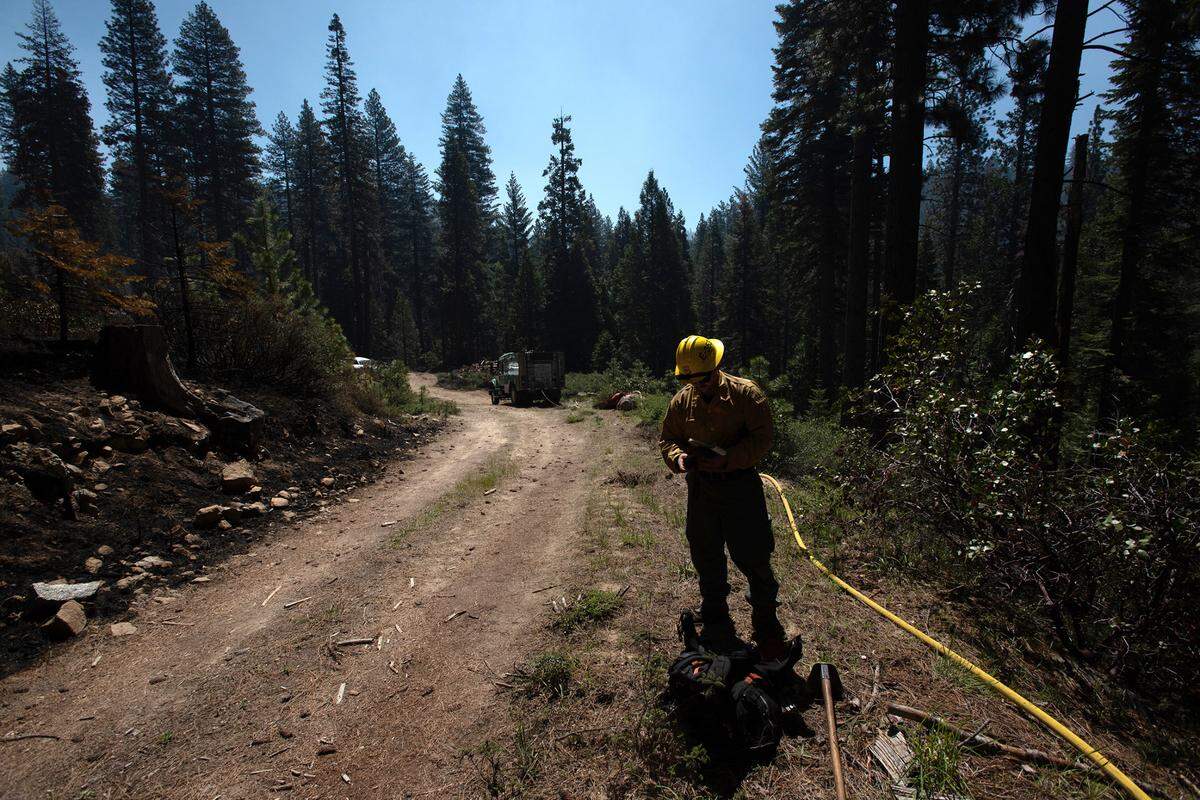
The Bee got a whiff of prescribed fire smoke on a tour last month of fuel-reduction efforts in Tuolumne County. Just off Highway 108 at Strawberry, a crew had burned brush and small trees to protect the larger conifers remaining on the landscape.
The burn took place late in the fall-to-spring window for such work, said Dan Guse, who supervised it as a fire battalion chief for the Stanislaus National Forest.
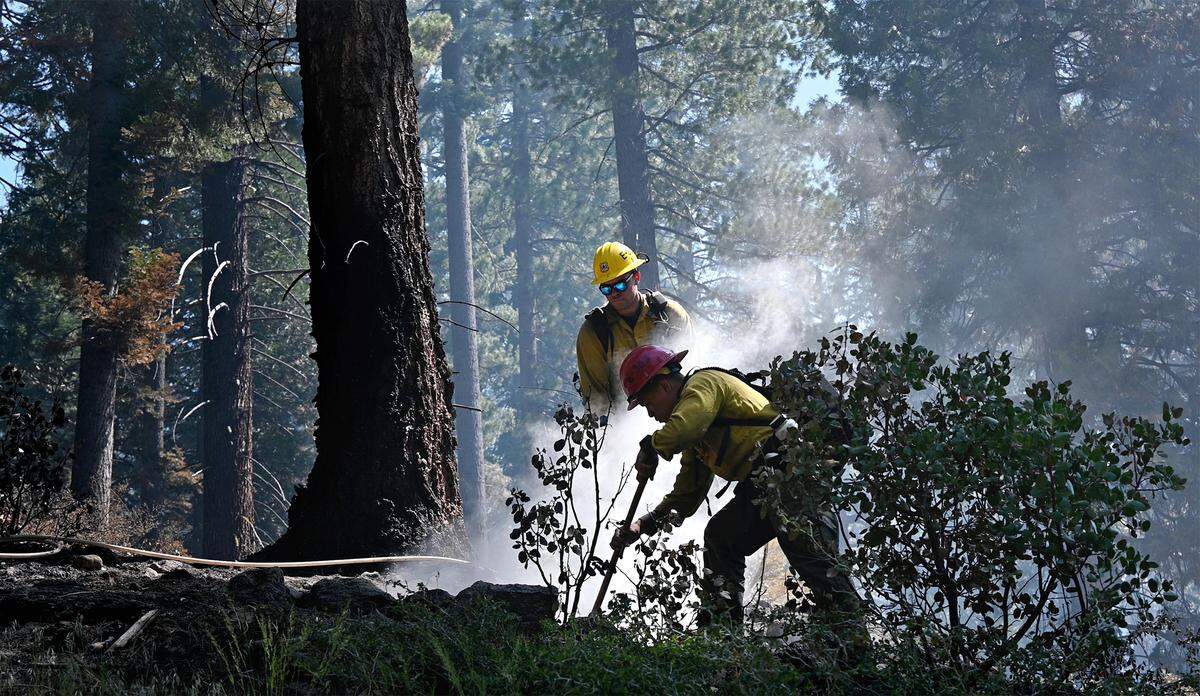
He said smoke sometimes drifted toward nearby Pinecrest Lake, popular with swimmers and campers, but was not excessive.
“It’s nice, white, clear smoke and not big, black, nasty wildfire smoke,” Guse said.
The tour was hosted by Yosemite Stanislaus Solutions, a coalition of business, environmental and other leaders concerned about the national park and adjacent national forest.
The coalition in April helped land $55 million from a new federal fund aimed at making forests more resilient. It will go toward about 41,000 acres of fuel treatments that create a mosaic protecting about a quarter-million acres in the Stanislaus River watershed.
Asthma, heart disease and more
The Lung Association report examined past research on the effects of wildfire smoke and compared them with what happens with prescribed fire.
Will Barrett is national senior director for clean air advocacy with the Chicago-based group.
“Wildfire smoke can be extremely harmful to lungs, especially for outdoor workers, children, older adults and people with asthma, COPD, chronic heart disease and diabetes,” he said. “Pregnant people exposed to wildfire smoke are more likely to experience adverse pregnancy outcomes, including preterm birth.”
COPD stands for chronic obstructive pulmonary disease.
Wildfires burn mostly trees, brush and grass but also can incinerate homes containing household chemicals, fuel tanks, synthetic materials and more. And they spew massive amounts of climate-changing carbon into the sky.
The larger of the Sierra wildfires have sent smoke hundreds of miles through the Central Valley. The region’s residents already breathe in vehicle exhaust, farm dust and other pollutants daily.
Prescribed fire also is endorsed by the San Joaquin Valley Air Pollution Control District. It works with burn planners to ensure that each is done safely, Executive Director Samir Sheikh said Friday.
This story was originally published June 13, 2022 at 6:00 AM with the headline "American Lung Association is OK with smoke from prescribed forest burns. Here’s why."