
Hunt expands for invasive insects on plants sold across Northern California
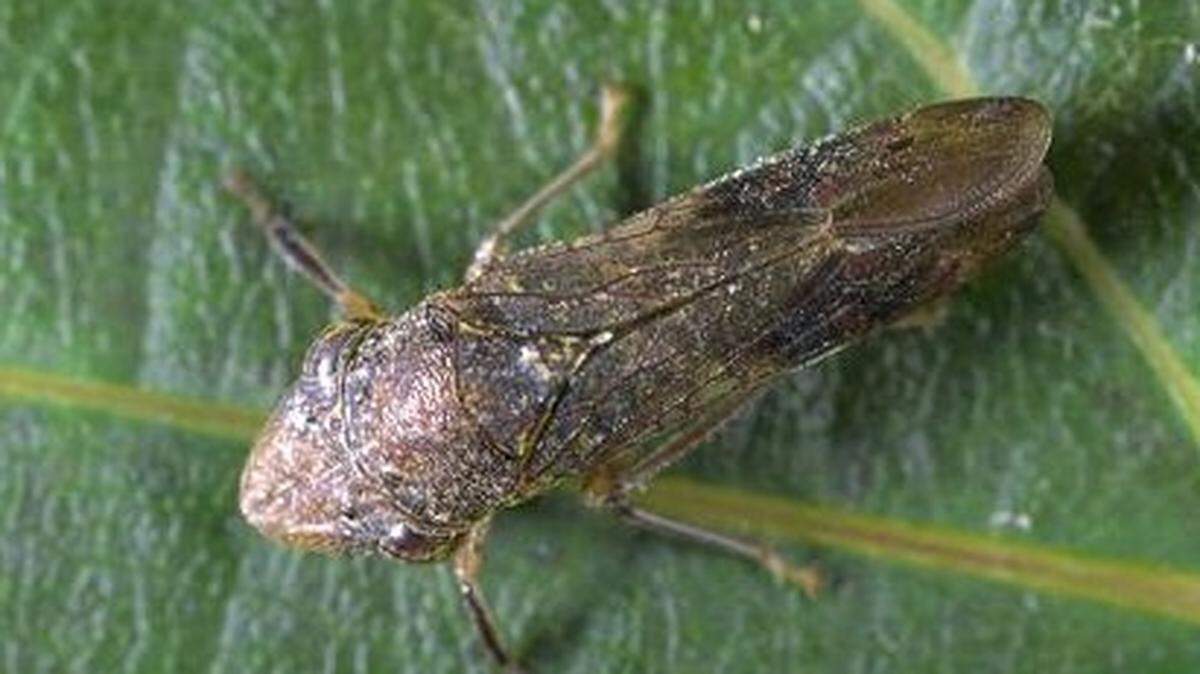
A search for invasive pests on plants sold at some Costco stores has spread across numerous Northern California counties, including the Sacramento, Modesto and Merced areas.
The glassy-winged sharpshooter is a non-native leaf-hopping insect that poses a serious threat to California’s vineyards, Napa County agriculture officials said.
“It is imperative that the community pull together to help us limit the risk to our local vineyards and agriculture,” said Sacramento County Agricultural Commissioner Chrisandra Flores.
Potentially infested plants were shipped from Burchell Nursery, Inc., in Fresno County to Costco stores in Alameda, Butte, Contra Costa, El Dorado, Humboldt, Marin, Merced, Napa, Placer, Sacramento, San Joaquin, San Mateo, Solano, Sonoma, Stanislaus, Yolo and Yuba counties, agricultural officials said.
Several other Northern California counties, such as Shasta County, have issued alerts warning residents of the potentially infested plants but do not specify whether the plants were sold in those counties.
In Sacramento, inspectors destroyed more than 160 potentially infested grapevines, and in Napa County, 63 grapevines were destroyed, agriculture officials said. A glassy winged sharpshooter egg mass was found on one of the destroyed Napa County vines.
But hundreds more were sold and sent home with customers at each Costco that received the infested plants, officials said.
Although the pest does not pose a threat to humans or animals, residents should not attempt to return, transport, relocate, dispose of, or compost the plants, officials said, since doing so may contribute to the spread of the infestation.
“We understand that people may be reluctant to part with these plants, but it is critically important that the spread of this devastating pest is contained quickly,” said Lindsey Carter, executive director of the California Agricultural Commissioners and Sealers Association, in a news release.
El Dorado County agriculture officials said the pests are an “immediate and serious threat to EL Dorado County vineyards” in a news release.
Glassy-winged sharpshooters are not in themselves a problem, but they can carry a bacterial infection causing Pierce’s disease, which can be deadly to grapevines and other plants.
The University of California reported the disease destroyed more than 1,000 acres of grapevines in Northern California from 1994 to 2008, causing $30 million in damage, a California Department of Food and Agriculture brochure said.
The California wine industry generates $84.5 billion in total economic activity in the state, the National Association of American Wineries said.
Costco is contacting customers directly and cooperating fully with the effort to track down the infested plants, officials said.
What are glassy-winged sharpshooters?
Glassy-winged sharpshooters are native to the southeastern United States and northeastern Mexico, the California Department of Food and Agriculture said. They were first reported in California in 1994 but probably arrived in the state in the late 1980s.
The insects can carry Pierce’s disease, a bacterial infection that is often fatal to grapevines, according to the USDA. It also can damage almond, citrus and ornamental plants leading to significant economic and environmental impact.
What should you do if you bought a plant at Costco?
If you purchased a grapevine, citrus tree, or other fruit tree at an affected Costco or neighboring Costco locations between April 21 and May 19, officials say you should:
- Keep the plant isolated in its original pot or container.
- Do not plant the grapevine or tree if you have not already done so.
- If possible, place the plant(s) in two secured trash bags, one inside the other, and seal them closed.
- Do not attempt to return, transport, or relocate the plant.
- Do not place the plant in the trash or a compost bin.
- Contact your local agricultural commissioner’s office right away. An inspector will come to check the plants for pests. The plants may have to be removed and monitoring traps may be placed in the area.
This story was originally published May 28, 2026 at 8:59 AM with the headline "Hunt expands for invasive insects on plants sold across Northern California."