California refineries begin switch to summer-blend fuel. What drivers will pay
You might have noticed gas prices creeping up across California — and there’s a seasonal reason behind it.
According to AAA, California refineries are starting the annual switch to summer-blend gasoline, which is more expensive to produce and typically leads to higher prices at the pump.
“California is the first state in the nation to make the transition, while East Coast states are the last,” the automobile association said in a Tuesday, Feb. 17, news release.
Many states must switch by May 1, and most gas stations nationwide are required to sell summer-blend fuel by June 1.
The switch begins as early as February in some parts of California. The Golden State is required to use summer-blend fuel by April 1, according to AAA.
California drivers already pay some of the highest gas prices in the country. With the seasonal transition now underway, AAA said, motorists can expect prices to continue climbing in the weeks ahead.
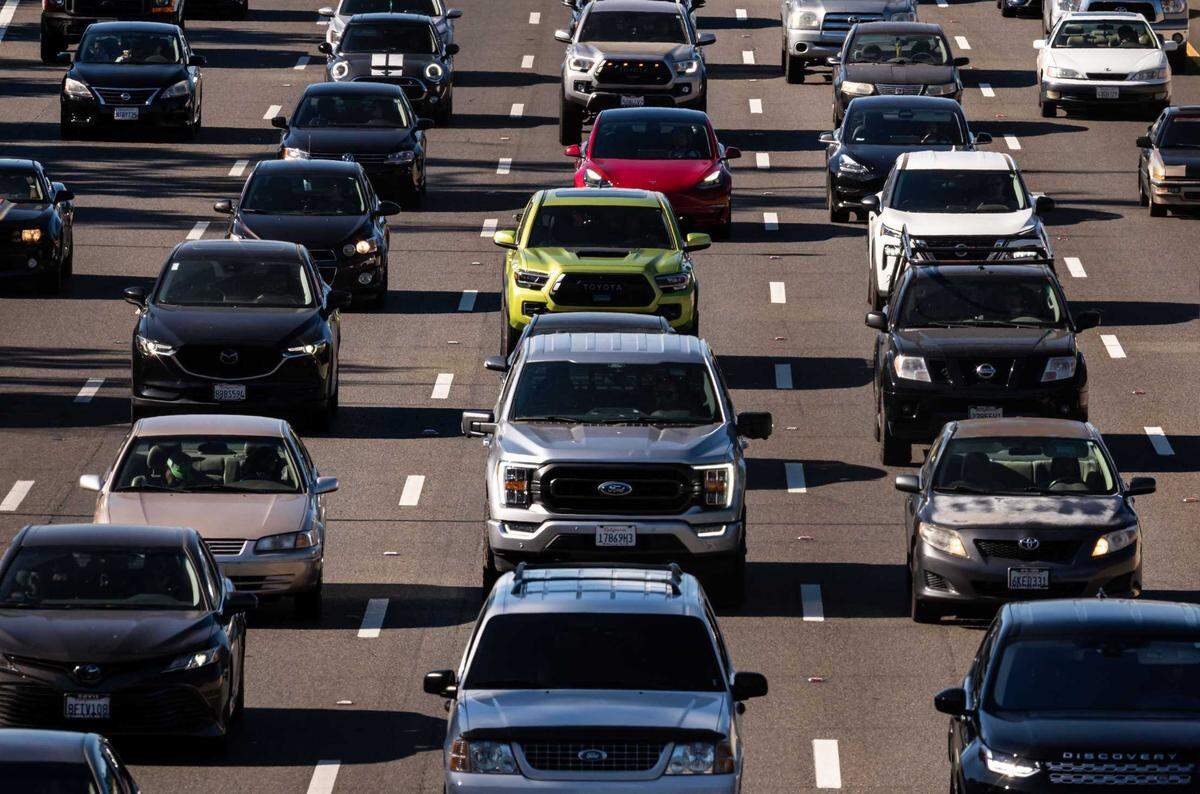
Here’s what drivers across California can expect to pay at the pump as the seasonal shift begins:
Why do gas prices rise in late winter and spring?
According to AAA, gas prices usually begin climbing in late winter and early spring, because summer-blend fuel costs more to produce.
“Summer gasoline has a lower Reid vapor pressure, which helps reduce evaporation in warmer temperatures,” AAA said in the Feb. 17 news release.
During this time, AAA said, some refineries also conduct maintenance, which can further tighten supply and add pressure to prices.
“Higher crude oil prices have also put upward pressure on pump prices,” the automobile association said.
How do foreign affairs influence crude oil costs?
Marie Dodds, a public affairs director for AAA, said global tensions — including uncertainty involving oil-producing countries — could create additional price swings beyond the usual seasonal increases.
“The unknown is how geopolitical tensions between the U.S. and Iran will continue to impact crude oil prices,” Dodds said in the Feb. 17 news release. “That could mean volatility at the pumps, in addition to the normal seasonal spring increases.”
Crude oil prices — which help determine what you pay at the gas pump — have mostly stayed in a moderate range within the upper $50s to mid-$70s per barrel since late 2024, according to AAA.
Prices briefly rose in June when tensions between the United States and Iran increased, but they dropped slightly as diplomatic talks continued.
.JPG "1000037574 (1).JPG")
“Crude prices are impacted by economic news as well as geopolitical events around the world including the current economic uncertainty, the current situation in Venezuela, tensions over Greenland, protests in Iran, sanctions on Iran’s oil, unrest in the Middle East, the conflict between Israel and Hamas and the war between Russia and Ukraine,” AAA said.
Since crude oil is the main ingredient in gasoline and diesel, changes in oil prices are passed along to consumers.
About half of what you pay at the pump reflects the cost of crude oil, with the rest covering refining, distribution, marketing and taxes, according to the U.S. Energy Information Administration.
The United States continues to produce oil at high levels, which also helps influence overall supply and pricing, according to AAA.
How do California gas prices compare to rest of US?
California drivers are paying the highest gas prices in the country, according to AAA.
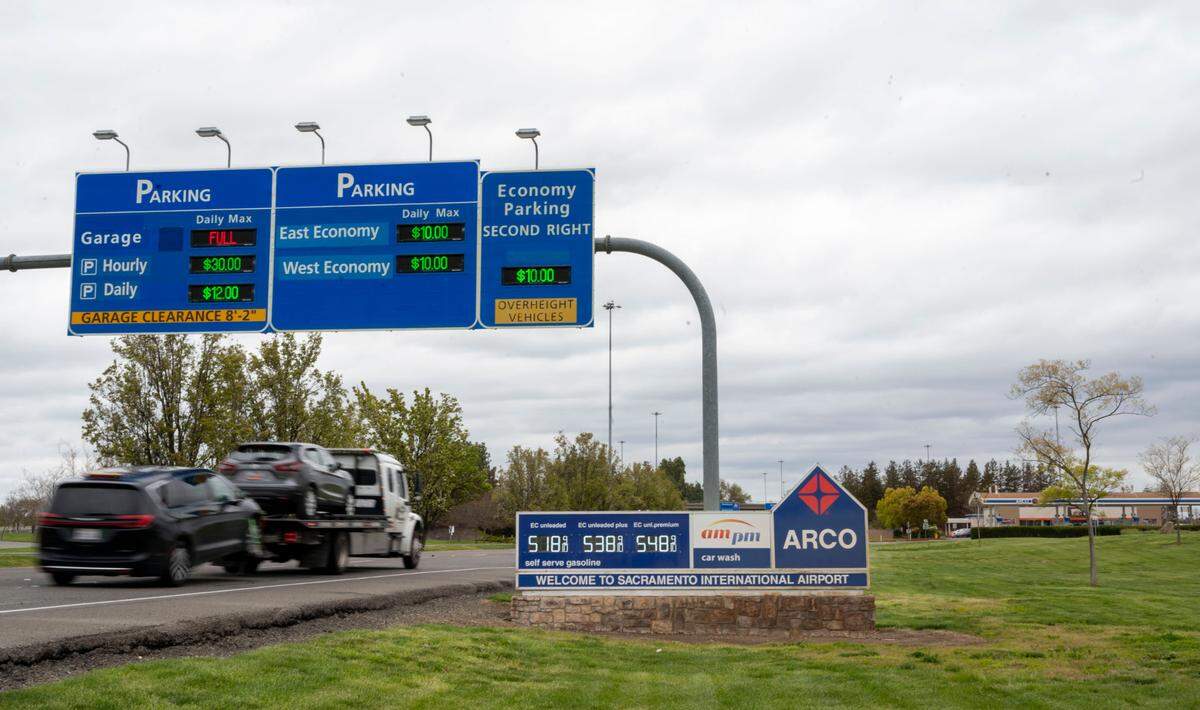
Compared to the national average of $2.93, the average price for regular gas in California was about $4.59 a gallon as of Thursday, Feb. 19.
Hawaii ranked second nationwide at $4.40 per gallon, followed by Washington state at $4.16.
“These are the only states with averages at or above $4 a gallon,” AAA said.
Around this time last year, California drivers were paying about $4.85 a gallon.
How much could California gas prices go up this summer?
According to recent data from the U.S. Energy Information Administration, the switch to summer-blend gasoline — along with refinery slowdowns — can push the national average gas price up by more than 10 cents per gallon.
In California and other states on the West Coast, the cost increase can be even higher. This is because the region has fewer refineries, so any maintenance or supply issues can lead to larger price jumps, the federal agency said.
Despite these seasonal increases, the agency’s forecast expects 2026 gas prices to be about 6% lower than in 2025.
Where are the lowest gas prices in California?
According to AAA, the most affordable fuel could primarily be found in parts of Northern and Southern California — with the average price for a gallon of regular gasoline dipping as low as $4.22 in El Centro, $4.39 in Yuba City and $4.41 in Redding.
As of Thursday, Feb. 19, these were the average prices per gallon for regular gas at metropolitan areas around California:
- Bakersfield: $4.49 per gallon
- Chico-Paradise: $4.46
- El Centro: $4.22
- Fresno: $4.57
- Hanford-Corcoran: $4.48
- Los Angeles-Long Beach: $4.63
- Madera-Chowchila: $4.59
- Merced: $4.49
- Modesto: $4.48
- Napa: $4.79
- Oakland: $4.69
- Orange County: $4.56
- Redding: $4.41
- Riverside: $4.48
- Sacramento: $4.63
- Salinas: $4.78
- San Bernardino: $4.46
- San Diego: $4.62
- San Francisco: $4.81
- San Jose: $4.62
- San Luis Obispo-Atascadero-Paso Robles: $4.75
- San Rafael: $4.85
- Santa Barbara-Santa Maria-Lompoc: $4.52
- Santa Cruz-Watsonville: $4.66
- Santa Rosa: $4.79
- Stockton-Lodi: $4.51
- Vallejo-Fairfield: $4.60
- Ventura: $4.56
- Visalia-Tulare-Porterville: $4.56
- Yolo: $4.55
- Yuba City: $4.39
How to find the cheapest gas stations
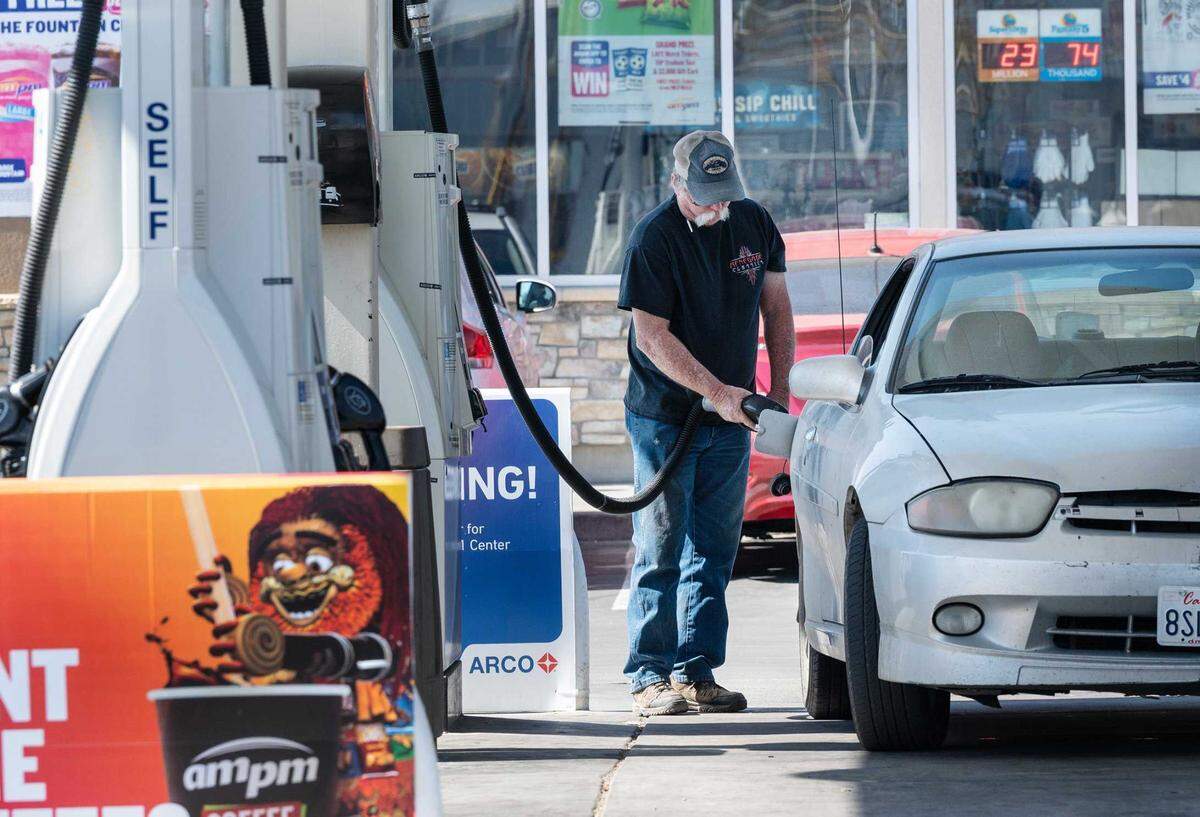
GasBuddy is a price-tracking website designed to help motorists find the cheapest gas prices in their areas.
You can search for the most affordable gas stations in your area on the GasBuddy website.
This story was originally published February 20, 2026 at 5:00 AM with the headline "California refineries begin switch to summer-blend fuel. What drivers will pay."