
What do ‘sell by’ and ‘use by’ really mean? New California law changes food labels
“Best by,” “use by,” “sell by” and “best if used by.”
These are all labels California retailers use to show how long a food product is at its “best quality.”
With so many different labels to consider, it’s easy to get confused.
What’s the difference between all the date labels on food products? Which labels actually mean your food is expired?
A new California law aims to simplify things by requiring retailers to use clear, uniform labels that are easy for consumers to understand.
Here’s a look at what current food labels mean — and terms the new California law will require retailers to use:
Why is food date labeling important?
Food labels help consumers understand what they’re buying and how long products will stay fresh.
According to the U.S. Food and Drug Administration, most packaged foods — including bread, cereal, canned items, snacks, desserts and drinks — are required to have labels.
“Nutrition labeling for raw (fruits and vegetables) and fish is voluntary,” the federal agency said.
Clear labeling also plays a big role in reducing food waste.
The California Department of Resources Recycling and Recovery reports that Californians throw away about 2.5 billion meals worth of edible food each year, contributing to the 48% of organic waste that is sent to landfills.
When food waste breaks down in landfills, it produces methane — a powerful greenhouse gas that traps far more heat than carbon dioxide, according to the California Department of Food and Agriculture.
“Wasted food also reduces what can be saved for food banks and impacts Californians’ wallets by throwing good food away too soon,” the state department said.

How can I tell if food is safe to eat?
According to the U.S. Department of Agriculture, food doesn’t automatically become unsafe once the date on the package passes.
If it’s been stored properly, most food is still safe to eat until you notice clear signs of spoilage — such as a bad smell, strange texture or visible mold.
“A change in the color of meat or poultry is not an indicator of spoilage,” the USDA said.
In other words, the dates on food packages are to tell consumers when a product is likely to taste its best, not when it becomes unsafe to eat.
What do the dates on California food labels mean?
According to the USDA, here’s what commonly used date labels on food products mean:
- “Best if used by/before” dates show when a product is expected to have its best flavor or quality. After this date, the food might still be safe to eat but not taste as fresh.
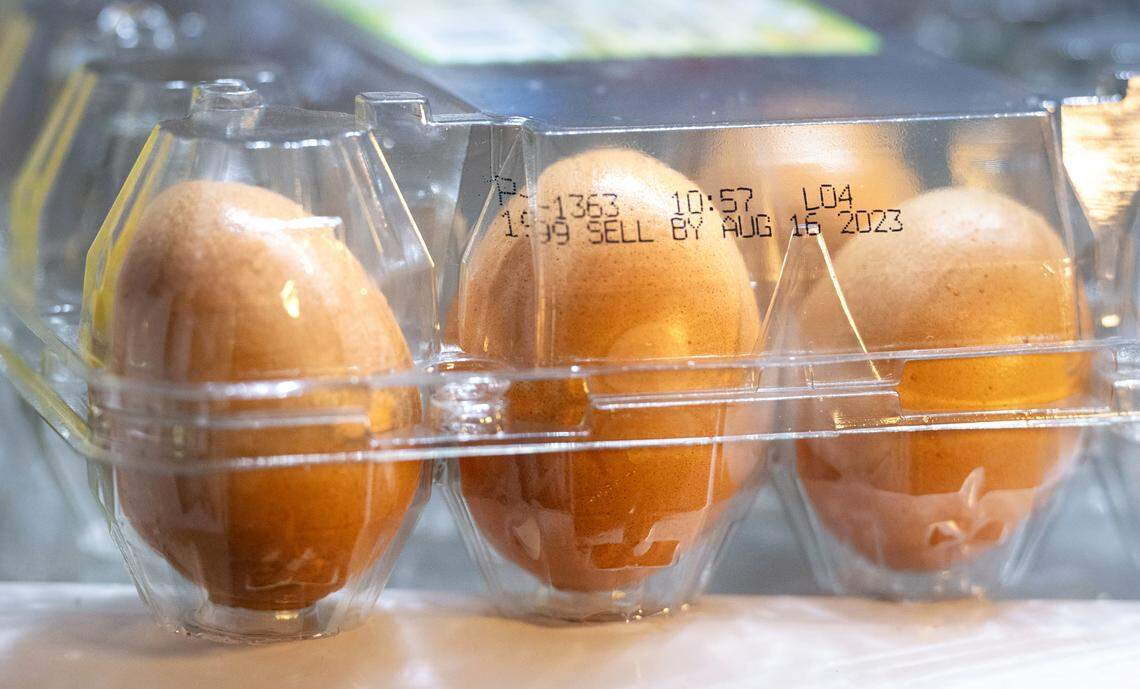
- “Sell by” dates are meant for grocery stores, not shoppers. They tell retailers how long to display the product for sale and are not a safety deadline.
- “Use by” dates indicate the last date the manufacturer recommends using the product for peak quality. These dates relate to food safety only when they appear on infant formula.
- “Freeze by” dates tell consumers when to freeze a product to preserve its best quality and freshness.
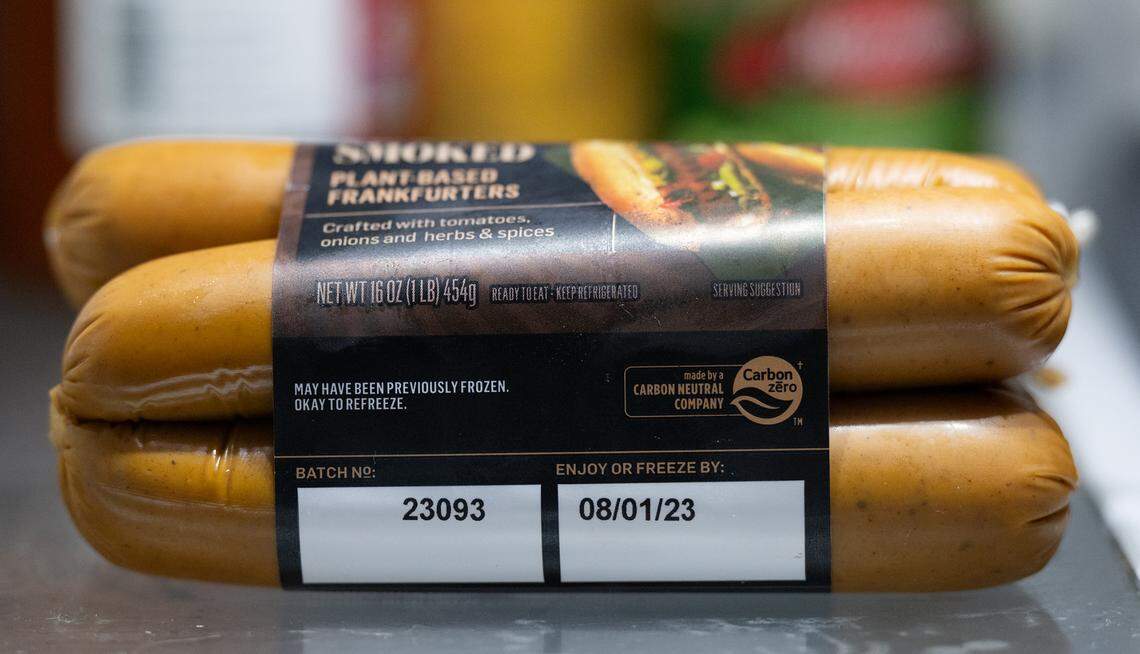
New California law updates food date labeling
Assembly Bill 660 is designed to simplify food date labels and reduce confusion for shoppers.
The new law requires food manufacturers to use clear, standardized language for “quality” and “safety” dates — and eliminates “sell by” labels, according to the California Department of Food and Agriculture.
Starting July 1, most food sold in California — with the exceptions of eggs and infant formula — must include one of four approved labels, the law says.
Products must use either “best if used by” or “best if frozen by” to indicate quality, or “use by” or “use or freeze by” to indicate food safety.
The law also bans visible “sell by” dates for consumers, according to the California Department of Food and Agriculture.
Retailers will still be allowed to use coded “sell by” dates for inventory purposes — but that wording will not appear on packaging.
This will eliminate “the source of consumer confusion that results in the disposal of wholesome, nutritious food,” the state Food and Agriculture Department said.
This story was originally published January 14, 2026 at 5:00 AM with the headline "What do ‘sell by’ and ‘use by’ really mean? New California law changes food labels."
