5 new California laws change evictions, security deposits and more. What to know
Changes to California’s rental laws are on the way.
Gov. Gavin Newsom signed several housing bills in 2025 that will roll out in 2026.
The new laws include updates to eviction rules, limits on security deposits and new responsibilities for landlords after disasters.
Here’s a look at the new California laws renters should know about in the year ahead:
Do California landlords have to provide a working stove and refrigerator?
Starting Jan. 1, California landlords must provide and keep a working stove and refrigerator in rental units under a new state law.
Assembly Bill 628 requires landlords to make sure these appliances are in good working order.
If a stove or refrigerator is recalled by the manufacturer or a government agency, the landlord has 30 days to repair or replace it after being notified.
However, there are some exceptions.
When a lease is signed, a tenant and landlord can agree that the tenant will supply and take care of their own refrigerator, as long as certain conditions are met. The law also does not apply to some types of housing, such as permanent supportive housing.
These rules apply to leases that are signed, changed or renewed on or after Jan. 1.
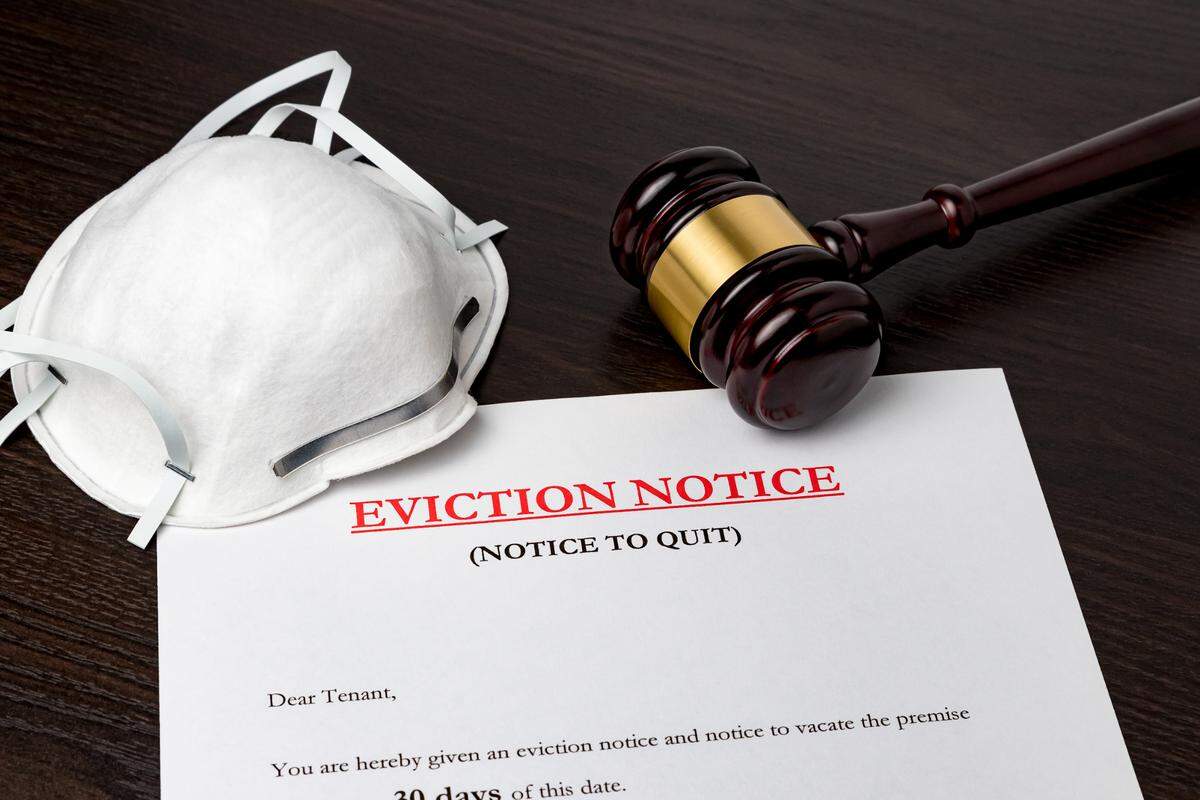
Can my landlord evict me if my Social Security payments were delayed?
California has added temporary protections for renters who depend on Social Security income.
Assembly Bill 246 protects tenants who can’t pay rent because their Social Security benefits were delayed or stopped by the federal government through no fault of their own, according to the California Apartment Association.
To qualify, the tenant must give the landlord a signed statement explaining that the missed rent is due to the Social Security delay.
If that proof is provided, the landlord cannot move forward with an eviction right away.
A court must pause the eviction case until either 14 days after the tenant’s Social Security payments resume or six months after the pause begins — whichever comes first.
These protections apply statewide and will remain in effect through Jan. 20, 2029.
What are a landlord’s post-disaster responsibilities?
To better protect renters after natural disasters, Senate Bill 610 sets clear rules landlords must follow when a rental unit is affected.
Under the law, landlords are required to remove disaster-related debris from rental properties and pause rent and other fees during mandatory evacuation periods, starting Jan. 1.
If a unit becomes uninhabitable, landlords must return any prepaid rent and allow tenants to end their lease without penalties, the law says.
The law also gives renters the right to move back into their homes once repairs are finished and requires landlords to notify tenants when the unit is safe to live in again.
Can I opt out of bulk internet service arrangements?
Starting Jan. 1, California renters will have more control over their internet service.
Under Assembly Bill 1414, landlords can no longer force tenants to pay for a bundled or “bulk” internet plan as part of their lease in most cases, according to the California Apartment Association.
If internet service is included through a third-party provider for an apartment complex, tenants must be given the option to opt out and choose their own provider.
The law applies to new leases, lease renewals and month-to-month agreements that begin or continue after Jan. 1.
Landlords are not allowed to charge extra fees if a tenant chooses to opt out. If a landlord breaks the rule, tenants may be allowed to deduct the cost of the unwanted internet service from their rent, the law says.
Can security deposits be returned electronically in California?
Assembly Bill 414 updates how security deposits are returned in California.
Starting Jan. 1, landlords must offer to return a security deposit electronically if the tenant paid rent or the deposit electronically.
Tenants and landlords can also agree to other return methods, such as email delivery of itemized statements, as long as both sides consent, according to the California Apartment Association.
The law also clears up what happens when multiple tenants are on the same lease. In those cases, the deposit can be returned through a joint payment or transfer.
In addition, the new law strengthens tenant protections by requiring clearer documentation for any deductions, allowing landlords to take photos of the unit to support charges.
This story was originally published December 31, 2025 at 5:00 AM with the headline "5 new California laws change evictions, security deposits and more. What to know."